
HEALTH
The Importance of First Aid Training in the Workplace


Picture this. A team meeting is wrapping up. Coffee cups are scattered, everyone’s ready to head out. And then, someone collapses.
Panic? Or action?
In those crucial few minutes before emergency services arrive, what happens next can mean the difference between life and death. That’s where first aid training steps in.
For businesses, investing in training isn’t just about ticking a box. It’s about building a workplace where people are prepared, protected, and valued. From warehouse crews to front desk staff, everyone benefits. And with reputable first aid course Canberra providers offering accessible online training for companies of all sizes, there’s no reason to put it off.
Stick around. You’ll see why smart companies are making first aid training a core part of their safety strategy—and how it pays off in more ways than you might expect.
Accidents Happen Fast—Are You Ready?
Let’s face it. No matter how “safe” your workplace seems, accidents still happen. Someone could:
Slip on a wet floor
- Suffer a burn in the kitchen
- Experience a sudden asthma attack
- Cut themselves on broken glass
- Collapse from heat exhaustion
And those are just the everyday risks.
Workplace incidents can spiral fast. A slight delay in response can lead to bigger injuries, longer downtime, or worse.
That’s why trained staff make a real difference. They know how to assess the situation. They stay calm. They act fast. They do something instead of standing frozen.
The result? Less harm. More control. Better outcomes.
What First Aid Training Actually Covers
A lot of people think first aid training just means learning CPR. While that’s part of it, the reality goes way deeper.
Here’s what a solid first aid course usually includes:
- CPR and AED use
- Choking response (for adults, kids, and infants)
- Treating burns, cuts, and wounds
- Handling sprains, fractures, and bruising
- Allergic reactions and anaphylaxis
- Heatstroke and dehydration
- Responding to seizures or strokes
- Dealing with workplace-specific injuries
Some programs even add mental health first aid and crisis communication tips.
And because real emergencies are messy, the best courses mix theory with hands-on practice. People don’t just learn—they do. So when the real thing happens, they’re not caught off guard.
The Ripple Effect: Boosting Morale and Safety Culture
It’s not just about bandages and slings.
When staff see that safety matters, they feel it. Training sends a strong message: We care about you. Your health. Your safety.
That creates a ripple effect:
- Teams become more alert
- People speak up about hazards
- Safety protocols are taken seriously
- Workers feel more confident and capable
The shift in culture is real. A well-trained team looks out for each other. They trust their environment. That trust builds morale, and morale builds productivity.
Legal and Insurance Perks You Shouldn’t Ignore
Now, let’s talk dollars and documents.
First aid training isn’t just nice to have. In many places, it’s a legal must, especially for industries with higher risks. Skipping it could cost you in more ways than one.
Legal benefits:
- You stay compliant with workplace health and safety laws
- You reduce the risk of lawsuits in case of an incident
- You show regulators and inspectors that safety is a priority
Insurance perks:
- Lower premiums
- Fewer claims
- Better protection in case something does go wrong
In short? Training today means fewer headaches tomorrow.
First Aid for Different Work Environments
A cookie-cutter course won’t cut it.
Your workplace has its own risks. So your training should reflect that.
For example:
- Offices may focus on slips, falls, and desk-related injuries
- Construction sites need a heavy focus on trauma and equipment injuries
- Warehouses should prep for crush injuries, burns, and chemical exposure
- Kitchens need training on burns, cuts, and food-related allergic reactions
- Remote or lone workers need to know how to self-administer aid and call for help fast
Smart training providers tailor the content to match your business type. So the lessons stick, and the response makes sense when it matters most.
ROI of a Trained Team: It’s Bigger Than You Think
Still wondering if it’s worth the investment? Let’s break it down. And yes, all of this from a few hours of training!
Reduced Downtime
When someone gets hurt, every minute counts. A trained colleague can respond immediately—clean a wound, stop the bleeding, or prevent further injury. That kind of action means minor issues stay minor. Staff recover faster, get back on their feet sooner, and work isn’t left hanging.
Lower Injury-Related Costs
Emergency room visits, ambulance rides, and time off work add up fast. But many injuries, if treated quickly, can be managed without escalating to that point. That’s where a trained team makes a financial difference. They help reduce not just the medical bills but also admin time and disruption.
Fewer Workers’ Comp Claims
Workplace injuries often lead to compensation claims. But with proper first aid, the severity and frequency of these claims can drop significantly. Less paperwork. Less stress. And less impact on your insurance profile.
Increased Productivity
Safe environments are productive ones. When people feel protected, they stay focused. There’s less worry, fewer distractions, and more headspace to do great work. That calm confidence spills over into performance, teamwork, and long-term morale.
Stronger Team Dynamics
When a colleague knows you’ve got their back—literally—it builds something powerful: trust. Being able to step in and help a teammate during a crisis creates a stronger bond. It shows that the workplace is more than just a place to earn a paycheck. It’s a place where people look out for one another. That kind of loyalty leads to lower turnover and a tighter, more resilient workforce.
How Often Should You Refresh First Aid Training?
One-and-done training won’t cut it. Skills fade. Protocols change. Confidence drops if you don’t keep things fresh.
Most experts recommend a refresher every 2 to 3 years. Some certifications even expire if not renewed.
You might also consider:
- Annual in-house drills
- Scenario practice sessions
- Workplace posters and reminders
- Short updates when company policies change
The more familiar the material, the faster the response. And in first aid? Speed saves lives.
Training Today, Safety Tomorrow
At the end of the day, first aid training is more than a safety measure. It’s a smart business move. It protects your team. Strengthens your culture. Reduces risk. And shows you’re the kind of employer who plans ahead, not just reacts.
So if it’s still on your to-do list… move it to the top.
Your team’s safety is too important to leave to chance.
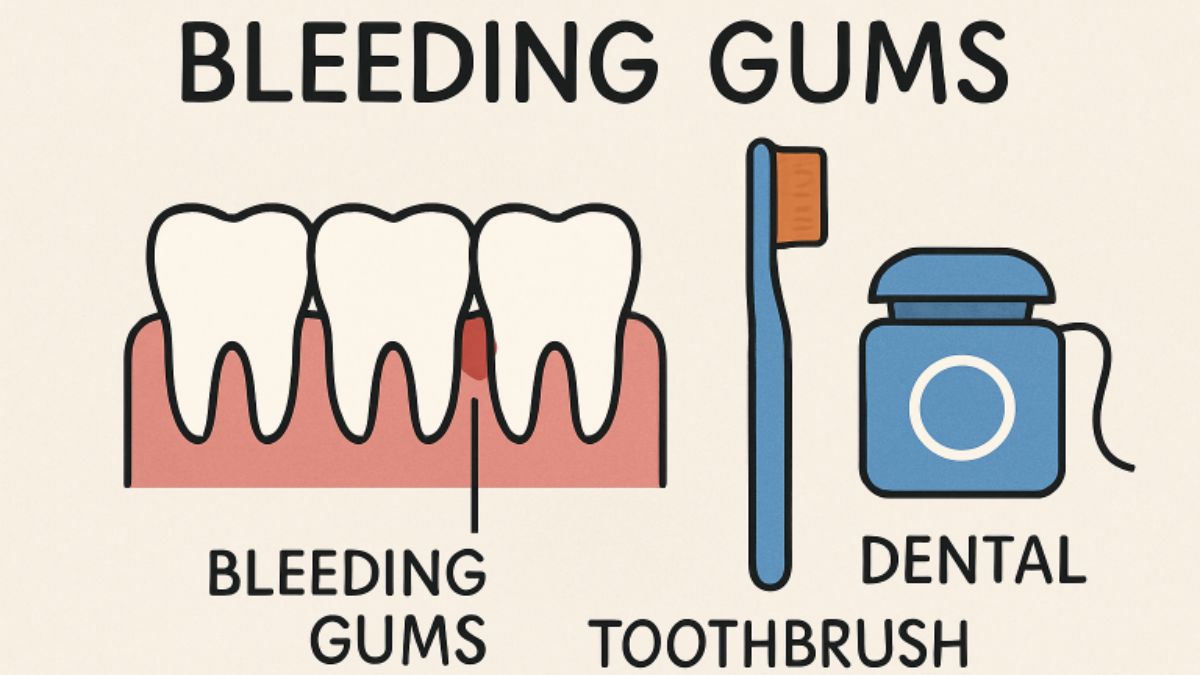
Introduction
Bleeding gums are a warning sign that should never be overlooked, even though many people may dismiss them as a minor inconvenience. In fact, the presence of blood when brushing or flossing is often the body’s early alert system for potential problems affecting not just oral health, but overall well-being. The importance of addressing symptoms like bleeding gums goes far beyond the desire for a perfect smile. Early intervention can prevent the escalation of dental issues and protect your systemic health in the process.
By understanding the underlying causes and consequences of bleeding gums, you can take effective action to safeguard your teeth and gums in the long term. This article explores the common triggers for bleeding gums, the possible health complications that may arise if the issue is left untreated, and the best strategies for prevention and treatment. Knowing when to seek professional assistance is vital for maintaining a healthy mouth and body.
Common Causes of Bleeding Gums
- Plaque Buildup: One of the most common causes of bleeding gums is the accumulation of plaque, a soft, sticky film that harbors bacteria. If not removed regularly, plaque hardens and irritates gum tissue, inevitably leading to inflammation and bleeding.
- Improper Brushing and Flossing: Aggressive brushing or flossing with improper technique can injure the delicate gum surface. Using a hard-bristled toothbrush or snapping floss between the teeth may cause trauma, which often manifests as bleeding gums.
- Lifestyle Factors: Habits like smoking, a poor diet lacking crucial nutrients, and ongoing stress can compromise the immune system. This makes the gums more vulnerable to infections and injury, and increases the likelihood of gum bleeding.
- Underlying Health Conditions: Medical conditions such as diabetes and blood disorders can directly affect gum health by reducing the body’s ability to fight infection and impairing the natural healing process. Hormonal changes, pregnancy, or certain medications can also contribute to gum sensitivity and bleeding.
When gum bleeding is recurrent, it is critical to promptly investigate underlying causes and address them through both personal habits and medical care. The American Dental Association underscores that identifying and managing the root cause helps prevent further deterioration of oral health.
Health Risks Associated with Bleeding Gums
While occasional gum bleeding may seem trivial, chronic symptoms frequently signal more serious oral health conditions such as gingivitis and periodontitis. Ignoring the problem can have far-reaching consequences both in the mouth and throughout the body.
Progression to Periodontitis
Gingivitis, the initial stage of gum disease, is characterized by red, swollen, and bleeding gums. If left untreated, it can progress to periodontitis, a severe infection that destroys supporting gum and bone tissue. Advanced gum disease often leads to gum recession, increased tooth sensitivity, loose teeth, and, eventually, tooth loss.
Systemic Health Implications
Mounting evidence links gum disease to a range of systemic health conditions. For example, research suggests that inflammation caused by periodontal disease may contribute to heart disease, diabetes complications, respiratory illnesses, and even certain types of cancer. The bacteria that invade the gums can enter the bloodstream, travel to other organs, and potentially trigger or worsen chronic health problems.
Chronic Bad Breath and Other Complications
Another result of untreated bleeding gums is persistent bad breath, medically termed halitosis. The buildup of bacteria beneath the gumline releases foul-smelling toxins, affecting both confidence and overall quality of life. Untreated gum disease may also lead to painful abscesses, oral discomfort, and difficulty chewing or speaking.
Preventive Measures and Treatment Options
Maintaining healthy gums is attainable for most people, provided consistent, effective daily oral care routines are in place.
Oral Hygiene and Home Care
- Maintain Proper Oral Hygiene: Brush teeth gently with a soft-bristled toothbrush at least twice a day, and floss daily to remove food particles and plaque between teeth. Consider using an antibacterial mouthwash to further reduce bacterial buildup on gum tissues.
- Balanced Diet and Lifestyle Choices: Reduce risk factors by cutting back on refined sugars, eating a diet packed with fresh fruits and vegetables, and ensuring sufficient intake of vitamins C and K, which are crucial for oral health. Avoid smoking and limit alcohol consumption for optimal gum function.
- Regular Dental Check-ups: Routine professional cleanings allow hygienists to remove hardened plaque (tartar) that cannot be eliminated with brushing alone. Early detection of gum disease increases the chances of successful management and reverses early damage.
Professional Treatments
For more advanced gum concerns, dental professionals might recommend scaling and root planing. This deep-cleaning procedure smooths root surfaces so the gums can reattach to the teeth, reducing inflammation and bleeding. In more severe cases, surgical intervention may be needed to repair or regenerate gums and bone tissue.
If you are managing another medical issue, such as diabetes, coordination between your dental provider and medical team is key for comprehensive care and minimizing oral health risks. Maintaining follow-up appointments and promptly addressing any new or worsening symptoms will reinforce your preventive strategy.
Conclusion
Bleeding gums should never be brushed aside as insignificant. They often provide the first signal of more complex oral and systemic health issues. By understanding the common causes, recognizing the associated risks, and implementing preventive practices in partnership with dental professionals, you can ensure healthy gums and improved quality of life. Make oral health a priority and respond quickly to even minor warning signs to protect your mouth and overall well-being.
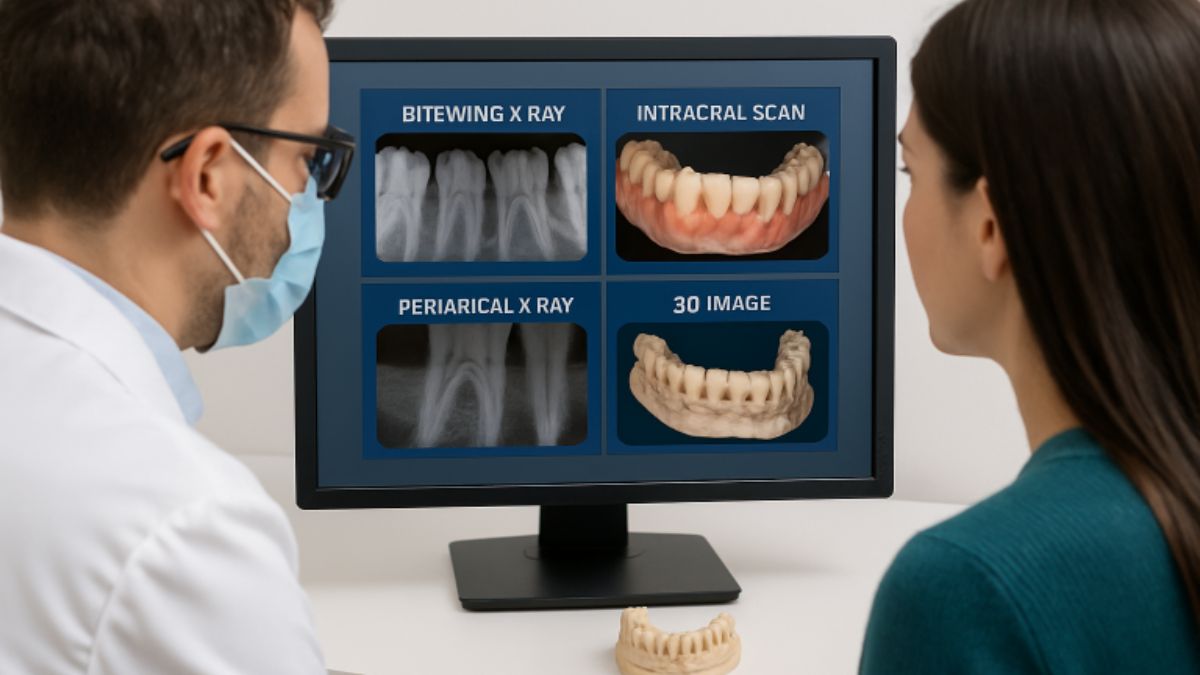
Digital technology has rapidly transformed how dental professionals diagnose, treat, and prevent oral health issues, shaping modern dental care in ways never seen before. The integration of cutting-edge technologies is making dental visits more efficient while empowering patients to take greater control of their oral health journey. Whether seeking guidance for daily hygiene or considering specialized treatment from a periodontist, individuals now benefit from a whole new world of resources and techniques.
From digital imaging to artificial intelligence, today’s dental care focuses on precision, comfort, and accessibility. Digital tools are allowing dentists to detect issues earlier, plan treatments more accurately, and improve long-term oral health outcomes. As a result, both patients and practitioners are experiencing shorter treatment times, higher success rates, and enhanced comfort throughout every step of care.
In addition to advancing technology, new methods such as 3D printing and intraoral scanners are setting new standards for patient care. People in remote regions or those with busy schedules also have more options than ever, thanks to teledentistry. Each of these advances brings unique benefits and greater flexibility for meeting diverse dental health needs.
Technology will continue to evolve, but today’s breakthroughs have already significantly changed what it means to receive and deliver dental care. Understanding these shifts and knowing when to consult a specialist or try new at-home techniques helps patients achieve their best oral health.
Digital Imaging and 3D Printing
The era of traditional X-rays is giving way to advanced digital imaging systems that provide high-quality, immediate images for more effective diagnosis and treatment. These digital files can be easily shared and stored, aiding in assessments and allowing multiple professionals to collaborate quickly for second opinions or specialist consultations. At the same time, 3D printing has revolutionized the way dental appliances, crowns, and surgical guides are created. Dental offices can now develop highly accurate models in a fraction of the time required by older methods, improving both the speed and quality of patient care. According to The New York Times, 3D printing technology has also led to reduced costs and greater customization.
Artificial Intelligence in Dental Diagnostics
Artificial intelligence (AI) has emerged as a valuable tool in dental diagnostics. AI-driven algorithms quickly analyze digital images, dental records, and even patient histories to identify subtle warning signs of decay, gum disease, or oral cancer. This approach means dental professionals can detect problems earlier and intervene with more personalized strategies. For example, AI-based systems can highlight changes between visits that might otherwise go unnoticed. Recent industry reports, such as those discussed in Forbes, emphasize the growing potential of AI to increase accuracy and reduce diagnostic errors in everyday practice.
Teledentistry and Digital Consultations
Remote dental care, or teledentistry, has made quality advice and consultations more accessible than ever before. Using secure video calls, smartphone imaging, and digital messaging, dentists can provide assessments and advice without in-person visits. This model benefits families with busy schedules, patients in rural areas, or individuals with mobility challenges. Teledentistry also supports preventive care by making it easier to follow up with patients after treatment, monitor ongoing conditions, and answer questions between appointments.
Intraoral Scanners for Enhanced Comfort
Intraoral scanners represent a major leap forward in patient comfort and treatment efficiency. These handheld devices use optical imaging to create precise digital impressions of the teeth and mouth, eliminating the need for messy impression materials. The digital models are then used to design crowns, bridges, retainers, and more, all tailored to the unique contours of each patient’s mouth. This technology shortens appointment times and increases patient satisfaction.
CAD/CAM Technology for Precision Restorations
Computer-aided design and manufacturing (CAD/CAM) technologies are fundamentally changing restorative dental procedures. Using data gathered from digital scans, crown and bridge restorations can be designed and milled within a single appointment, reducing the time between diagnosis and treatment completion. The result is a dental restoration that fits more accurately, looks more natural, and typically requires fewer adjustments.
Final Thoughts
Digital technology has transformed dental care in ways that are clearly benefiting both patients and practitioners. Innovations, including advanced imaging, AI-powered diagnostics, teledentistry, and digital fabrication tools, have streamlined dental visits, improved accuracy, and enhanced the patient experience. As these technologies continue to develop, they promise to make dental care even more accessible, effective, and comfortable for everyone.
Importance of Regular Screenings
Healthcare experts emphasize the importance of regular screenings as a key component of preventive medicine. These screenings enable early detection of diseases such as cancer, diabetes, and heart conditions, leading to better treatment outcomes and improved long-term health. Furthermore, early intervention reduces the need for more aggressive therapies and lowers mortality rates. At the systemic level, screenings help alleviate pressure on healthcare systems by managing complications early and minimizing the need for emergency procedures. By identifying health risks, such as sleep disorders or heart conditions, patients can connect with specialized resources for ongoing management. Many providers in Houston now focus on targeted conditions, such as sleep apnea heart damage Houston TX, to help remedy neglected issues before they become severe. Regular screenings also empower individuals to take a proactive role in their well-being by making informed lifestyle and treatment decisions. Over time, consistent monitoring builds a clearer picture of a patient’s health trends and potential risks. Ultimately, prioritizing preventive care fosters healthier communities and supports a more sustainable healthcare system.
Current Screening Rates and Challenges
Despite clear benefits, participation in regular health screenings has dropped in recent years. Recent data shows that only 51 percent of Americans attend recommended medical checkups and cancer screenings, marking a concerning 10 percent decrease compared to the prior year. This downward trend suggests gaps in public understanding and underscores the need for more robust education and outreach about preventive health. The COVID-19 pandemic also contributed to reduced screening rates, either due to disruptions in healthcare access or heightened anxieties that kept people from seeking care.
Complexities in insurance coverage, general mistrust in the medical system, and logistical hurdles such as transportation or time off work further discourage consistent screening habits. These barriers disproportionately affect marginalized populations, aggravating health inequities nationwide. In response, healthcare leaders and policymakers are developing new strategies for outreach, accessibility, and culturally competent communication to help reverse these trends.
Technological Advancements in Screening
Medical technology is rapidly transforming the landscape of preventive screenings. One of the most promising advancements is the rise of blood-based diagnostic tests, commonly known as “liquid biopsies.” These tests enable early cancer detection with a simple blood draw rather than an invasive procedure. The recent FDA-approved Shield test, for example, identified 83 percent of colon cancer cases confirmed by follow-up colonoscopy, paving the way for more comfortable and widespread screening options.
Beyond cancer, digital platforms such as electronic health records (EHRs) and AI-driven analytics are personalizing screening schedules based on individual risk factors. This increases efficiency and ensures timely follow-up for patients who might otherwise slip through the cracks. Telemedicine, too, has improved accessibility to specialist consultations and post-screening guidance, making it easier for patients to stay proactive about their health.
Impact of Early Detection on Treatment Outcomes
The relationship between early detection and better health outcomes is especially pronounced in diseases that progress silently. Lung cancer, for example, is among the deadliest cancers partly because it often remains undetected until advanced stages. Patients diagnosed at early stages of lung cancer have a dramatically higher five-year survival rate than those found at a later stage. Expanding screening criteria for high-risk populations, especially for diseases with few early symptoms, can drastically improve patient prognoses.
Case in Point: Early Detection of Diabetes and Cardiovascular Disease
Beyond cancer, regular screenings help identify chronic illnesses such as diabetes and cardiovascular disease in their nascent stages. Timely screening for prediabetes, high blood pressure, or high cholesterol enables preventive lifestyle changes or medical interventions before irreversible organ damage occurs. These cost-effective interventions ultimately reduce hospital admissions and improve the quality of life for millions of people.
Overcoming Barriers to Screening
Low screening rates result from a complex web of barriers. Many people do not recognize their risk factors or simply underestimate the benefits of early detection. Financial limitations, limited access to transportation, and difficulty navigating health benefits create further obstacles. In some communities, stigma or fear of diagnosis may prevent individuals from seeking help until symptoms become severe.
Public health organizations are combating these issues through targeted campaigns, community health events, and partnerships with local leaders. Simplifying the screening process with at-home testing kits and offering flexible appointment schedules are also helping to close these gaps. Ultimately, success will require ongoing government investment and the consistent involvement of trusted local advocates.
Role of Healthcare Providers in Promoting Screenings
When it comes to health screenings, healthcare providers play an influential role. Routine appointments are opportunities to educate patients, debunk myths, and tailor recommendations based on age, genetics, and lifestyle. Many patients are more likely to attend screenings when encouraged by a familiar and trusted provider. Integrating screening reminders directly into patient portals and follow-up communications can further increase adherence rates.
Providers can also identify patients who are overdue for screenings by leveraging EHR data. By making screenings part of standard care protocols, medical teams help normalize preventive checkups, reducing patient anxiety and the stigma associated with certain tests. Effective provider-patient communication remains one of the most powerful tools in the fight against preventable disease.
Future Directions in Preventive Care
Looking forward, the future of preventive care will be shaped by technology and personalized medicine. EHRs and AI algorithms will help identify individuals at the highest risk by analyzing genetic information and family history, thereby supporting more finely tuned screening schedules. Research into next-generation diagnostics is enabling the detection of diseases with ever-greater sensitivity and minimal invasiveness, leading to higher participation rates and better overall outcomes.
In addition, increased collaboration between healthcare systems, community clinics, and public health agencies will create a more seamless experience for patients seeking care. Expanding insurance coverage, subsidizing out-of-pocket costs, and integrating health literacy programs into communities are steps that can help ensure everyone benefits from the advantages of regular screenings.
Conclusion
Regular health screenings offer a powerful way to catch serious diseases before they progress. They not only improve survival rates but also enhance patients’ quality of life and reduce long-term healthcare costs for society as a whole. By bridging awareness gaps, leveraging new technologies, and supporting at-risk communities, healthcare providers and policymakers can help reverse declining screening rates and promote better health for everyone. Individuals should discuss their risk factors and screening options with a trusted provider as part of their commitment to lifelong wellness.
-

 TOPIC1 year ago
7 Expert Tips For Choosing The Best Basement Renovation Companies
-

 TOPIC1 year ago
Why Large Waterproof Outdoor Rugs Are Essential for All Outdoor Spaces
-

 TOPIC8 months ago
Why Greece Katz Martian Has Everyone Talking in 2025
-

 BUSINESS9 months ago
Top 5 Features of Sowix Online That Every User Should Know About
-

 TOPIC9 months ago
Top Features of BetterThisWorld .com You Need to Know About
-

 FASHION1 year ago
How to Layer Your White Dress for Cold Weather?
-

 FINANCE1 year ago
How TraceLoans Can Simplify Your Finances
-

 BIOGRAPHY1 year ago
From Reality Star to Business Mogul: Prince Narula Digital PayPal