
TOPIC
The Rise of Prefabricated Metal Buildings in Modern Church Architecture


Introduction to Prefabricated Metal Buildings
These constructions made predominantly from prefabricated metal components, offer an innovative solution that caters to both form and function. Prefabrication involves manufacturing building sections in a factory setting, bolstered with precision engineering before being swiftly assembled onsite.
This method minimizes construction time and maximizes efficiency, making it especially appealing for religious structures where congregations seek reliable, enduring spaces for worship. Beyond the practical benefits, these buildings also mirror a broader shift across industries toward more sustainable and cost-effective building methods, embarking on a path that gracefully intertwines age-old religious practices with cutting-edge technology.
Historical Context: Church Architecture Through the Ages
The story of church architecture is rich with echoes of history, marked by grandiose cathedrals and modest yet poignant village chapels. Through centuries, church architecture has seamlessly evolved, each variation reflecting the values and technologies of its time. Gothic cathedrals, towering spires, and intricate stained glass are masterpieces of medieval ingenuity. Later, the Renaissance brought about a revival of classical design elements, emphasizing symmetry and serene grandeur. In recent years, metal church buildings have surged, driven by their impressive ability to balance modern needs with traditional architectural beauty.
As construction techniques advanced, so did architectural styles, culminating in modern-day preferences for functional and adaptable spaces. Today, the need for multi-purpose community venues has emerged as a key factor in shaping church designs, encouraging a move toward structures that can easily host both spiritual and secular events. Prefabricated metal buildings, with their innate flexibility and aesthetic versatility, are perfectly poised to meet these evolving demands and stand as monuments to the ingenuity of human creativity.
Advantages of Prefabricated Metal Structures
Prefabricated metal structures offer a range of advantages that are particularly relevant to the construction of church buildings. Their durability is unmatched; designed to endure everything from severe weather to everyday wear and tear, these buildings promise a lifespan that exceeds many traditional construction materials. Additionally, the speed with which prefabricated structures can be erected significantly reduces build time.
This expedited process not only alleviates labor costs but also minimizes the extent of disruption within communities. Rapid construction means new buildings are operational far sooner, a crucial consideration for congregations eager to establish or resume regular services. Furthermore, design flexibility allows these buildings to reflect a community’s identity, blending classic church architectural elements with contemporary innovations to create spaces that honor the past and inspire the future.
Design Flexibility
The customization of prefabricated metal buildings cannot be overstated. Each church has its unique character, stemming from a blend of historical influences, geographical location, and congregational values. Prefabricated structures can be tailored to match this individuality, enabling architects to incorporate traditional features such as steeples or stained glass into a framework that supports advanced lighting and acoustic systems.
Integrating Modern Design with Tradition
Integrating modern design elements with traditional architecture is a compelling aspect of church building today. Prefabricated metal structures offer a seamless fusion, allowing architects to innovate while staying true to the architectural heritage of sacred spaces. Blending old and new creates visually arresting buildings with functional spaces designed with purpose.
An excellent example is the incorporation of sleek, minimalist metal frameworks with the historical aesthetics of Romanesque or Gothic styles. Such a combination maintains the solemnity and spiritual aura necessary for worship while offering state-of-the-art facilities for modern-day congregational use. This harmonious melding of styles can pique interest and draw greater community involvement, as evident in contemporary church designs featured in articles like this.
Cost-Effectiveness and Budget Considerations
When one examines construction from an economic perspective, prefabricated metal buildings consistently emerge as a cost-effective choice. Initial investments are markedly lower due to the streamlined supply chain of prefabricated components and the rapid assembly process, which substantially cuts on-site labor expenses. These savings can be pivotal for smaller religious communities operating with tight budgets.
Moreover, prefabricated buildings generally demand less maintenance than traditional constructions, offering a durable and resilient structure that translates to long-term economic efficiency. As these costs are minimized, funds can be channeled into community programs, outreach activities, or other areas that enhance the social contribution of the religious institution.
Sustainability and Environmental Impact
In today’s world, sustainability is a priority in every field, including architecture. Prefabricated metal buildings stand out as an environmentally conscious choice. The precision involved in manufacturing prefabricated parts significantly reduces waste, aligning with global efforts toward more sustainable building practices. The efficient use of materials and energy in the prefabrication process substantially decreases carbon footprints.
Moreover, many metal components in these buildings are recyclable, reinforcing their eco-friendly credentials. When designed with sustainable intentions, such constructions contribute to a positive environmental impact, supporting broader ecological goals. Resources underscore the potential for greener building practices afforded by prefabricated construction.
Real-Life Applications and Success Stories
Across the world, many churches have embraced the advantages of prefabricated metal structures with inspiring results. In Texas, a church successfully merged traditional stained glass motifs with a modern metal frame, crafting a beautiful new home for their congregation. Meanwhile, communities on the earthquake-prone West Coast have utilized the speed and sturdiness of prefabricated buildings to rebuild quickly after natural disasters, ensuring they can continue to serve their congregants without prolonged interruption.
These stories reflect the adaptability and effectiveness of prefabricated structures, demonstrating their potential to cater to diverse cultural and environmental needs. The successful integration of traditional elements and community-specific requirements within these modern frameworks underscores their growing appeal within religious architecture.
The Future of Church Architecture
As we venture into the future, the convergence of innovation and tradition will undoubtedly drive the evolution of church architecture. Prefabricated metal buildings, with their balance of functionality and aesthetic allure, will continue to shape the architectural landscape of places of worship. Their capacity for integrating technology with classical design principles will position them as pivotal players in crafting the sacred spaces of tomorrow.
Envisioning the future of church buildings involves considering the gradual shifts in societal needs and architectural advancements. As community dynamics evolve, so will the purpose and design of religious buildings, requiring adaptable solutions that meet contemporary worship and communal needs. This forward-thinking approach ensures that church architecture remains relevant and continues to inspire future generations of worshippers.

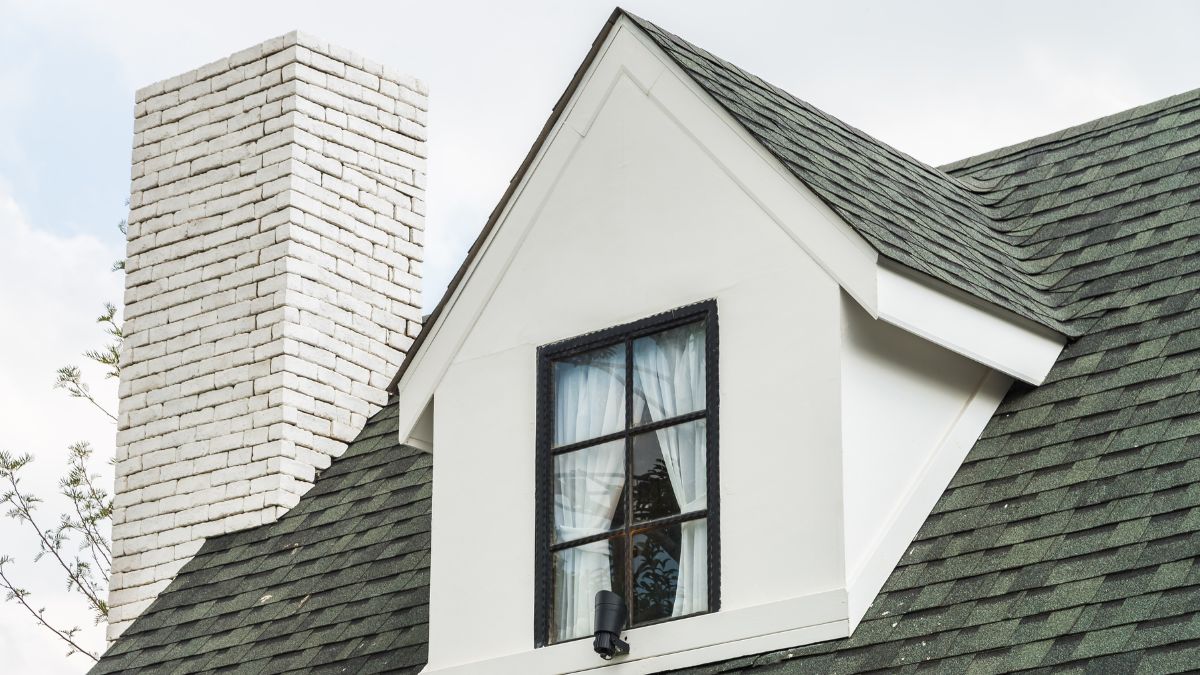
Your roof is one of the most important parts of your home or commercial building. It protects your property from harsh weather, improves energy efficiency, and adds to the overall value of your investment. If you’re looking for a reliable roofing contractor in Georgia, ClassicRoofing.com is a trusted name that has been serving homeowners and businesses for decades.
About ClassicRoofing.com
ClassicRoofing.com is the official website of Classic Roofing & Gutters, a family-owned roofing company based in Marietta, Georgia. Established in 1993, the company has built a strong reputation by providing high-quality roofing solutions backed by honest customer service and professional workmanship. The company is licensed, insured, and serves residential as well as commercial clients throughout the Metro Atlanta area.
Services Offered
Classic Roofing & Gutters provides a complete range of roofing and exterior services, including:
Residential Roofing
Whether you need a new roof installation or a roof replacement, the company offers durable roofing systems designed to withstand Georgia’s changing weather conditions.
Commercial Roofing
Businesses can benefit from customized commercial roofing solutions that focus on long-term durability, energy efficiency, and minimal disruption during installation.
Roof Repairs
Storm damage, leaks, missing shingles, and aging roofs require timely repairs. Classic Roofing & Gutters provides professional repair services to help extend the lifespan of existing roofs.
Roof Maintenance
Regular inspections and preventative maintenance help identify minor issues before they become expensive repairs, saving property owners money over time.
Gutter Installation and Repair
Properly functioning gutters are essential for directing rainwater away from your home’s foundation. The company installs, repairs, and replaces gutter systems to protect your property from water damage.
Why Homeowners Choose Classic Roofing & Gutters
Several factors make Classic Roofing & Gutters a preferred roofing contractor in Georgia:
- More than 30 years of roofing experience
- Family-owned and locally operated
- Licensed and insured professionals
- Residential and commercial expertise
- High-quality roofing materials
- Detailed inspections and transparent estimates
- Strong focus on customer satisfaction
- A+ Better Business Bureau rating mentioned on the company’s website
Commitment to Quality
Classic Roofing & Gutters emphasizes building long-term relationships rather than simply completing roofing projects. Every installation follows a structured process that includes careful preparation, quality materials, professional installation, and thorough final inspections. Their goal is to deliver roofing systems that perform reliably for many years.
Customer Reviews
Customer feedback highlights the company’s professionalism, communication, and workmanship. Many homeowners praise the team for completing projects on schedule, maintaining clean job sites, and providing honest recommendations. Recent review platforms show consistently high customer satisfaction ratings.
Areas Served
Classic Roofing & Gutters serves Marietta and many surrounding communities throughout Metro Atlanta, making it a convenient choice for homeowners and businesses across the region.
Benefits of Hiring a Professional Roofing Contractor
Working with an experienced roofing company offers several advantages:
- Accurate roof inspections
- High-quality installation
- Manufacturer-recommended installation practices
- Improved roof lifespan
- Better protection against leaks
- Increased property value
- Professional warranty support
When Should You Replace Your Roof?
Some common signs that indicate it may be time for a roof replacement include:
- Missing or damaged shingles
- Frequent roof leaks
- Sagging roof sections
- Granules collecting in gutters
- Water stains on ceilings
- Roof age exceeding 20–30 years (depending on the material)
Scheduling a professional inspection can help determine whether repairs or a full replacement is the better option.
Final Thoughts
ClassicRoofing.com represents a roofing company that has earned a solid reputation through decades of quality workmanship, dependable customer service, and comprehensive roofing solutions. Whether you need roof repairs, a complete replacement, gutter installation, or preventative maintenance, Classic Roofing & Gutters offers professional services designed to protect your home or business for years to come. Their experience, attention to detail, and commitment to customer satisfaction make them a trusted roofing contractor for property owners throughout the Metro Atlanta area.
Frequently Asked Questions
Is ClassicRoofing.com a residential roofing company?
Yes. The company specializes in residential roofing services, including new roof installation, roof replacement, repairs, maintenance, and gutter services.
Does Classic Roofing also work on commercial buildings?
Yes. They provide commercial roofing solutions for businesses throughout the Metro Atlanta area.
How long has Classic Roofing & Gutters been in business?
The company has been serving customers since 1993, giving it more than three decades of roofing experience.
Does the company offer roof inspections?
Yes. Roof inspections and preventative maintenance are among the services offered to help homeowners identify roofing problems early.
Where is Classic Roofing & Gutters located?
The company is headquartered in Marietta, Georgia, and serves surrounding Metro Atlanta communities.
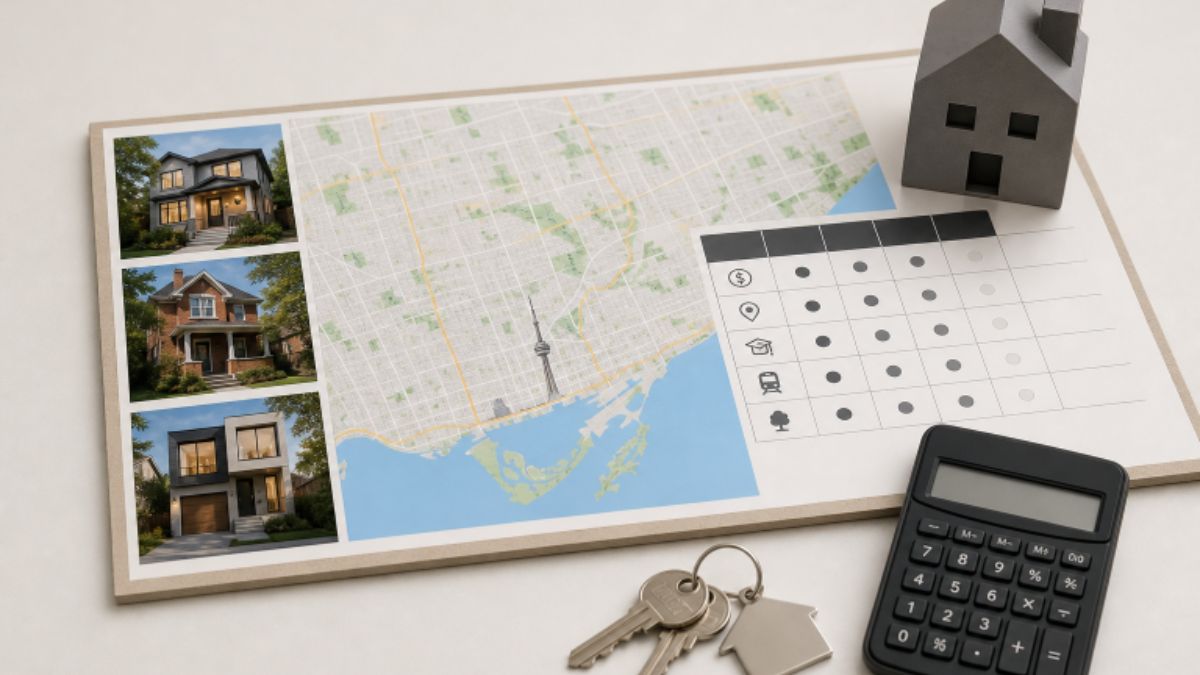
The Right Home Starts With The Right Area
A bright kitchen, polished floors, and thoughtful staging can make it easy to picture yourself in a home. But the property is only part of the purchase. Your street, commute, local services, noise levels, parking options, and nearby changes will affect your life long after the initial excitement of a showing fades.
For buyers considering the east end, Toronto CA real estate experts DeClute Real Estate can offer useful street-level perspective. Declute Real Estate is a family-led East Toronto real estate group with four generations of local experience, serving communities including The Beaches, Birch Cliff, The Bluffs, and surrounding areas. Their website focuses on helping buyers and sellers understand local homes, neighborhood lifestyles, and current market conditions. That type of local knowledge can be especially valuable when two nearby streets offer very different daily experiences.
Toronto is not one uniform market. A condo near rapid transit, a semi-detached home on a quiet residential street, and a detached property farther from the core can carry similar asking prices while offering very different long-term value. Start by comparing neighborhoods, then compare homes within the areas that truly fit your needs.
Start With A Clear Buyer Profile
Before opening listing alerts, write down what you need from a location. Be specific about your routine, not just your wish list. Consider the following questions:
- How long can your weekday commute realistically take?
- Do you value transit access more than private parking?
- Do you need a condo, townhome, semi-detached, or detached home?
- Will you need schools, childcare, parks, medical care, or senior services nearby?
- Are you likely to stay for three years, ten years, or longer?
- Would a smaller home in a more convenient location improve your everyday life?
Build A Neighborhood Scorecard
Use the same criteria for every area. A simple scorecard prevents one attractive listing from controlling the entire decision. Rate each category from one to five, then note the reason behind every score.
- Monthly cost: Mortgage payment, taxes, utilities, insurance, condo fees, and expected maintenance.
- Commute: Door-to-door travel time by transit, car, bike, and foot.
- Daily convenience: Groceries, pharmacies, restaurants, recreation, and essential services.
- Housing fit: The availability of property types and sizes that work for your household.
- Street feel: Traffic, sidewalks, lighting, tree cover, activity, and noise.
- Future fit: Whether the area could still suit you if work, family needs, or finances change.
Compare Total Cost, Not Just The Listing Price
A lower price does not always create a lower monthly cost. Older homes may need roofing, electrical, plumbing, insulation, foundation, or drainage work. Condos can reduce exterior maintenance, but fees, building rules, reserve fund health, planned repairs, and the possibility of special assessments deserve close review.
Include property taxes, parking, transit, heating, insurance, storage, repairs, and closing costs in your estimate. The CMHC homebuying guide and checklist are useful resources for organizing affordability questions, financial preparation, offer steps, and closing tasks.
Test The Commute At Real Times
A neighborhood that feels easy to reach on a Saturday afternoon may be frustrating during a weekday rush. Test your finalists on a weekday morning, late afternoon, weekend daytime, and, if possible, during winter weather. Measure the whole trip, including the walk to transit, wait and transfer times, parking, and the distance from your final stop to the office, school, or regular destination.
Use Public Data, Then Add Local Context
Online research is a strong starting point, but it should never replace several in-person visits. The City of Toronto’s Neighborhood Profiles can help buyers compare broad information about the city’s 158 neighborhoods, including demographic and household patterns. Use it alongside transit maps, school information, park locations, and your own observations.
Data can reveal useful patterns, but it cannot tell you whether a particular block feels too busy, whether a nearby train is disruptive at night, or whether you will enjoy the walk to the nearest store. Visit at different times and pay attention to what daily life would actually require.
Look Beyond Today’s Streetscape
Before writing an offer, check for development applications, zoning changes, road work, transit construction, and planned changes to schools, parks, commercial areas, or community facilities. New development can bring homes, services, and improvements. It can also change views, traffic, parking availability, construction noise, and the quieter character of a street.
Compare Housing Types Within Each Area
- Condos: Often lower exterior upkeep, but monthly fees and building finances matter.
- Townhomes: Usually provide more room, though shared elements and maintenance responsibilities vary.
- Semi-detached homes: Can balance space and cost, but shared-wall sound and repair considerations apply.
- Detached homes: Offer more privacy and land, but may carry higher prices and greater repair exposure.
Visit The Area Like A Resident
Walk the block in daylight and return after dark. Try the nearest grocery store, stand at the transit stop, look for street parking, and listen for traffic, rail, aircraft, or commercial noise. Notice sidewalk conditions, lighting, tree cover, and whether the route would still feel manageable in rain, snow, or extreme heat.
A larger home farther from transit can look like the better bargain until the daily commute begins to affect work, childcare, errands, and personal time. The best choice is rarely the biggest home or the trendiest postal code. It is the one that works consistently with your real routine.
Ask Better Questions At A Showing
- How long has the property been listed, and have there been price changes?
- What are the typical taxes, utilities, fees, parking, and storage arrangements?
- Are there known repairs, insurance concerns, or recent renovations to investigate?
- Are development applications or major construction projects planned nearby?
- How does the home compare with recent sales of similar properties in the same area?
Common Mistakes To Avoid
- Choosing the cheapest home without estimating the full ownership costs.
- Assuming a popular neighborhood fits every lifestyle.
- Relying on listing photos or a one-weekend visit.
- Ignoring future development and construction activity.
- Comparing average prices without separating condos, townhomes, and houses.
- Skipping an inspection because a property appears newly renovated.
A Simple Seven-Day Research Plan
- Day One: Set a realistic budget and list non-negotiables.
- Day Two: Choose three to five possible neighborhoods.
- Day Three: Compare commutes and daily services.
- Day Four: Review housing types, public data, and future planning.
- Day Five: Visit each area during a busy weekday period.
- Day Six: Tour properties and record costs, concerns, and advantages.
- Day Seven: Score each area and remove options that fail key requirements.
Frequently Asked Questions
How Many Toronto Neighborhoods Should A Buyer Compare?
Start with three to five. A much longer list can create confusion without producing better comparisons.
Should Commute Time Or Home Size Come First?
It depends on your routine. A smaller home near work, transit, or family support may provide more practical value than a larger home that adds hours to your week.
When Should A Buyer Speak With A Local Professional?
Bring in local guidance once you have a realistic budget and a short list. A knowledgeable professional can help interpret recent comparable sales, property history, street-level differences, and neighborhood-specific concerns.
Final Checklist Before Writing An Offer
- The home fits your approved budget and estimated carrying costs.
- You tested the commute at realistic times.
- The neighborhood works today and offers reasonable future flexibility.
- You reviewed taxes, fees, utilities, insurance, repairs, and closing costs.
- You checked nearby planning and construction activity.
- You compared the property with similar homes in the same area.
Let The Area Prove Its Value
The right Toronto neighborhood is personal. A strong decision balances cost, convenience, comfort, housing fit, and future flexibility. By using a consistent scorecard, researching reliable sources, visiting at real-life times, and asking practical questions, you can evaluate the overall lifestyle associated with a home before making a major commitment.

If you have been looking for fresh ideas that feel useful in everyday life, tozymagazine.com offers a steady stream of practical insights across lifestyle, fashion, technology, business, home improvement, and travel. The site positions itself as a place for crafting sentiments for every occasion, delivering articles that help readers navigate daily choices with more clarity and confidence.
What makes this platform stand out is its broad yet approachable mix. Rather than sticking to one narrow niche, it covers topics people actually search for when they want guidance, inspiration, or straightforward answers. From choosing the right jewelry for special moments to understanding modern tech tools or planning smarter home upgrades, the content aims to feel relevant and timely.
What You Will Find on Tozy Magazine
The homepage and category pages reveal a wide range of subjects. You will see pieces on fashion trends, skincare considerations, formal suits, streetwear reviews, and jewelry selection. Technology sections explore practical tools like HDMI converters, website building approaches, branding mockups, and visual refinement for games. Business and lifestyle articles tackle topics such as choosing food distributors, organic social media growth, real estate investment options, lifestyle transitions, and alternative engagement rings.
Home improvement coverage includes accessory dwelling unit ideas, creative wallpaper concepts for kids’ rooms, and budget-conscious renovation tips. Travel content offers first-timer advice for destinations like India and authentic experiences in places such as Nepal. Health and wellness pieces address modern periodontal treatments and patient comfort, while other articles touch on supply chain strategies, online shopping quality standards, and elective cosmetic considerations.
This variety supports different reader goals. Someone planning a special occasion might land on fashion or lifestyle guidance. A small business owner could find operational tips. A homeowner exploring expansion options discovers practical ADU insights. The site functions as a digital magazine that adapts to many interests without forcing a single focus.
How the Content Serves Different Search Intents
Readers arrive with specific needs. Some want quick definitions or comparisons. Others seek step-by-step considerations or common pitfalls. The articles generally lean toward practical explanations, lists of questions to ask, and clear breakdowns that help with decision-making.
For example, pieces on selecting a food distributor outline key questions every business should consider. Technology explainers clarify how certain converters work and why they matter in professional setups. Fashion and lifestyle posts walk through thoughtful selection criteria rather than pure trend chasing. This structure supports featured snippet opportunities through definitions, numbered lists, and concise summaries.
Here is a quick overview of common content themes and the value they deliver:
| Content Theme | Typical Focus | Reader Benefit |
|---|---|---|
| Fashion & Style | Jewelry, suits, streetwear, skincare | Better choices for occasions and daily wear |
| Technology & Tools | Converters, web building, visual AI tools | Practical understanding of modern equipment |
| Home & Living | ADUs, wallpaper ideas, renovations | Smarter upgrades and space solutions |
| Business & Growth | Distributors, organic social, investments | Actionable steps for operations |
| Travel & Experiences | Destination guides, authentic activities | More informed and meaningful trips |
The table highlights how the platform organizes information around real-world needs rather than abstract commentary.
Practical Ways Readers Use the Site
Many visitors treat the articles as starting points for research. A person considering a home addition might review ADU builder insights for Sacramento-area or California contexts and then dig deeper into local regulations. Someone exploring formalwear can compare timeless suit advice with current streetwear perspectives. Business owners evaluating partners use the listed questions as a checklist during vendor conversations.
The conversational tone helps. Paragraphs stay short. Explanations favor clear language over jargon. Transition words guide the flow so readers can scan or read thoroughly depending on their time. Practical examples appear throughout, making abstract advice feel grounded.
Pros and Cons of Relying on Platforms Like This
Pros
- Broad topic coverage means one site can answer questions across multiple areas of life.
- Focus on actionable lists, questions, and explanations supports quick decision support.
- Regular publishing keeps content current with emerging tools, trends, and practical concerns.
- Clean category organization makes it easier to explore related subjects.
Cons
- Wide range can occasionally feel less specialized than single-niche publications.
- Depth varies by article; some topics receive more thorough treatment than others.
- Like most online magazines, quality and consistency depend on ongoing editorial standards.
- Readers still need to cross-check critical details (especially medical, legal, or major financial advice) with primary experts.
Understanding these strengths and limitations helps set realistic expectations. The platform works best as a reliable idea generator and overview resource rather than the sole authority on highly technical or regulated subjects.
Common Mistakes Readers Make When Exploring Lifestyle Magazines
One frequent misstep is treating every article as universal advice. Context matters. A recommendation that works well in one region or situation may need adjustment elsewhere. Another mistake is skimming only headlines without reading the supporting points, which can lead to incomplete takeaways. Some readers also overlook the publication date or fail to notice when information reflects a specific moment in time.
A third common issue involves expecting every piece to deliver deep research-level analysis. Many articles aim for accessible overviews and practical frameworks. Finally, failing to connect related posts across categories can limit the value. A fashion piece might pair usefully with a lifestyle or business article on personal branding, for instance.
Avoiding these habits improves the overall experience. Approach the content as a helpful conversation starter, then apply judgment and additional research where the stakes are higher.
Best Practices for Getting the Most Value
Start with clear intent. Know whether you need inspiration, a comparison, a checklist, or basic definitions. Use the category pages to surface related reading. Take notes on the lists and questions provided so you can adapt them to your situation. Cross-reference important claims when decisions involve significant cost, health, or legal factors.
Bookmark useful pieces and revisit them when circumstances change. Share relevant articles with collaborators or family members when joint decisions are involved. Most importantly, treat the information as one informed perspective among several. Combine it with personal priorities, local knowledge, and professional input for stronger outcomes.
Here is a simple framework many readers find useful:
| Step | Action | Why It Helps |
|---|---|---|
| 1 | Identify the exact question or need | Keeps reading focused |
| 2 | Scan categories and recent posts | Surfaces the most relevant material |
| 3 | Note key lists, questions, or comparisons | Creates a personal checklist |
| 4 | Adapt advice to your context | Avoids one-size-fits-all application |
| 5 | Verify high-stakes details externally | Builds confidence in final decisions |
Following these steps turns casual browsing into more productive research.
Why Platforms Focused on Everyday Sentiments Matter
In a crowded digital landscape, sites that consistently deliver practical, occasion-aware guidance fill a genuine gap. People rarely need pure theory. They need help choosing, planning, improving, and celebrating the moments that make up ordinary and special days. By covering fashion, home, technology, business, travel, and lifestyle in one place, the platform reduces the friction of jumping between specialized sites.
The emphasis on sentiments for every occasion also encourages a more thoughtful approach. Instead of chasing every trend, readers gain tools for aligning choices with personal values and circumstances. That orientation supports better long-term satisfaction whether the topic is jewelry, a home upgrade, a business partnership, or a travel experience.
Conclusion
tozymagazine.com functions as a versatile digital magazine that brings together lifestyle inspiration, practical how-to guidance, and timely observations across multiple categories. Its strength lies in accessibility and breadth. Readers can explore fashion choices, technology explanations, home improvement ideas, business considerations, and travel insights without leaving a single platform.
The content works best when approached with clear goals, a willingness to adapt advice, and healthy verification habits for important decisions. Used this way, it becomes a helpful companion for navigating everyday choices and special occasions alike. Whether you arrive seeking a quick list of questions or a broader perspective on modern living, the site offers a steady supply of relevant starting points.
FAQs
What kind of content does Tozy Magazine publish? It covers lifestyle, fashion, technology, business, home improvement, travel, health, and related practical topics with an emphasis on useful guidance and occasion-focused insights.
Is Tozy Magazine focused on a single niche? No. It maintains a multi-category approach so readers can find advice across different areas of daily life and special moments.
How often is new content added? The site regularly publishes fresh articles across its categories, keeping topics current with evolving trends and practical needs.
Can the articles help with real decision-making? Many pieces include lists of questions, comparisons, and clear explanations designed to support research and planning. Readers should still apply personal judgment and professional advice where appropriate.
Who is the typical reader of this type of online magazine? Anyone seeking accessible ideas for lifestyle improvements, fashion choices, home projects, business operations, travel planning, or technology understanding.
-

 TOPIC1 year ago
Top 5 Features of Googlediqiu You Didn’t Know About
-

 TOPIC2 years ago
Why Large Waterproof Outdoor Rugs Are Essential for All Outdoor Spaces
-

 TOPIC2 years ago
7 Expert Tips For Choosing The Best Basement Renovation Companies
-

 FASHION2 years ago
How to Layer Your White Dress for Cold Weather?
-

 TOPIC1 year ago
Why Greece Katz Martian Has Everyone Talking in 2025
-

 BUSINESS1 year ago
Top 5 Features of Sowix Online That Every User Should Know About
-

 TOPIC1 year ago
Top Features of BetterThisWorld .com You Need to Know About
-

 FINANCE1 year ago
How TraceLoans Can Simplify Your Finances