
TOPIC
The Ultimate Guide to Takis Chips: A Crunchy Adventure

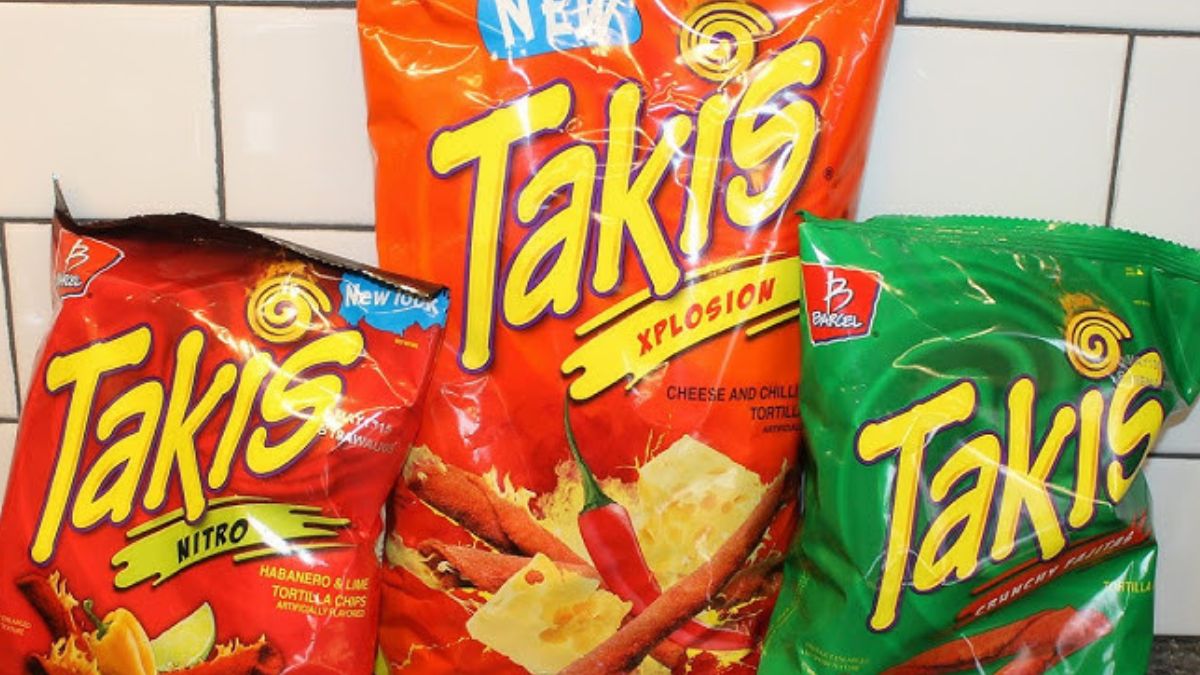
If you’ve ever found yourself reaching for a snack that packs a punch, Takis chips are likely at the top of your list. These rolled tortilla chips have taken the snacking world by storm with their bold flavors and irresistible crunch. Whether you’re a spice enthusiast or just love to munch on something unique, Takis offer an adventure in every bite. From movie nights to road trips, these fiery treats add excitement to any occasion. But how did these little wonders become such a beloved snack? Let’s dive into the tantalizing tale of Takis and discover what makes them so special!
The History of Takis: From Mexico to the United States
Takis chips have a vibrant history that traces back to Mexico. They were first introduced in 1999 by the company Barcel, which sought to create a bold snack that would capture Mexican flavors.
The original Takis flavor was Fuego, combining zesty lime and fiery chili powder. This unique blend quickly gained popularity among snack lovers seeking something with an extra kick.
As word spread about these spicy rolled tortilla chips, they began making their way across borders. Within just a few years, Takis found themselves on shelves throughout the United States, captivating American consumers with their intense flavor and distinctive texture.
Their rise in popularity coincided with an increasing interest in bold snacks. Today, Takis are not only enjoyed as a quick treat but also embraced for their versatility in recipes and social gatherings.
Why Are Takis So Popular?
Takis chips have taken the snack world by storm. Their unique taste and intense crunch captivate many snack lovers.
One reason for their popularity is that they deliver a fiery flavor experience. The bold spices create an unforgettable taste that makes people come back for more.
Moreover, Takis are perfect for sharing during gatherings or enjoying solo while binge-watching your favorite show. They fit seamlessly into various social settings.
The vibrant packaging also adds to their appeal, catching the eye of consumers in stores. Bright colors and intriguing visuals draw curious shoppers in.
Social media has played a significant role too. Snack enthusiasts share creative recipes and enjoyment experiences online, generating buzz around these little rolled wonders.
As spicy snacks continue to gain traction among younger audiences, Takis stands out as a fun choice that’s both addictive and exciting to eat.
How Are Takis Made and What Ingredients are Used?
Takis chips start their journey as corn masa, a dough made from finely ground corn. This masa is shaped into thin, rolled tortilla snacks that provide the perfect crunch.
Once formed, these little cylinders are fried to golden perfection. The frying process enhances their texture and flavor while giving them that addictive crispiness.
The magic really happens when it comes to seasoning. A unique blend of spices and flavors coats each chip. Ingredients typically include chili powder, lime juice powder, and salt—creating an intense taste experience.
Some variations even have added ingredients like artificial colors or preservatives to enhance appearance and shelf life. Each bite packs a punch of heat balanced with tanginess—a combination that’s hard to resist for snack lovers everywhere.
The Different Flavors of Takis
Takis chips are a flavor explosion in every bite. Their iconic rolled shape isn’t just for looks; it enhances the crunch and ensures you get maximum seasoning with each chip.
One of the most beloved flavors is Fuego, blending spicy chili and zesty lime. It’s perfect for those who crave heat paired with citrusy freshness.
Then there’s Nitro, which takes things up a notch with an added jalapeño kick. Fans often say it brings an irresistible fiery edge that keeps them reaching for more.
For those who prefer something milder, Takis offers Salsa Brava. This variant combines classic salsa flavors with that signature crunch without overwhelming spice.
Each flavor tells its own story, catering to varied taste preferences while keeping the essence of what makes Takis so addictive intact. Whether you’re daring or mild-mannered, there’s a Takis flavor waiting just for you!
Fun and Creative Ways to Enjoy Takis
Takis chips are more than just a snack; they can elevate your culinary experience. Try crushing them and using the crumbs as a crunchy coating for chicken or fish before baking. This adds an exciting twist to traditional recipes.
For a quick appetizer, create Takis nachos! Layer melted cheese over crispy Takis and top with jalapeños, sour cream, or guacamole. It’s a flavorful alternative to standard tortilla chips.
Feeling adventurous? Whip up some spicy popcorn by mixing popped kernels with crushed Takis for that extra kick.
You can also enhance your sandwich game by adding whole Takis into wraps or burgers for an unexpected crunch. The combination of flavors will surprise you!
Don’t forget dessert! Crumble sweet treats like brownies with crushed Takis on top for a sweet-and-spicy treat that tantalizes the taste buds in every bite.
Health Concerns and Alternatives for Takis
Takis chips are undeniably tasty, but there are some health concerns to consider. These spicy snacks are high in calories and sodium, which can lead to weight gain and hypertension if consumed excessively.
Additionally, the artificial flavors and preservatives used may not sit well with everyone. Some people experience digestive discomfort after indulging in these fiery treats.
For those looking for healthier alternatives, several options exist. Consider baked tortilla chips that offer a similar crunch without the added fat or sodium. You might also explore veggie sticks paired with salsa for a fresh twist on snacking.
Another option is making your own spiced chips at home using whole ingredients. This way, you control what goes into your snack while still satisfying that crunchy craving.
Where to Buy Takis and Pricing Information
Finding Takis chips is easier than you might think. These spicy snacks are widely available in grocery stores, convenience shops, and online retailers. Popular chains like Walmart and Target often stock various flavors.
For those who prefer online shopping, websites like Amazon offer bulk buying options. This can be ideal for serious fans looking to keep their snack stash full.
Pricing varies depending on the retailer and location. A standard bag of Takis typically ranges from $2 to $4. For larger packs or specialty flavors, expect to pay a little more.
Keep an eye out for sales or promotions at local supermarkets too. Many stores have occasional discounts that make indulging in these crunchy treats even sweeter!
Conclusion: Join the Crunchy Craze with
The world of Takis chips offers a delightful experience for snack enthusiasts everywhere. With their bold flavors and satisfying crunch, they invite you to explore the fiery side of snacking. Whether you’re enjoying them straight out of the bag or incorporating them into your favorite dishes, there’s no denying that these spicy snacks have made their mark.
As you embark on this crunchy adventure, don’t forget to share your love for Takis chips with friends and family. Taste-testing different flavors can be a fun group activity, sparking lively conversations about which ones reign supreme. Be sure to check local stores or online retailers for availability and pricing information so you can stock up on your favorites.
So why not join the growing community of Takis fans? Embrace the zestiness and creativity that comes with indulging in these iconic snacks. Your taste buds will thank you as you dive into this captivating crispy journey!

Introduction to Lilapalooza and its history
Lilapalooza is back, and it’s set to be one of the biggest highlights in the music festival calendar. With a rich history spanning over a decade, this annual event has evolved into a vibrant celebration of sound, culture, and community. Music lovers from all walks of life gather to immerse themselves in unforgettable performances by both established artists and rising stars.
The anticipation leading up to Lilapalooza is palpable. Fans eagerly await announcements about who will take the stage, ready to dance under the sun or sway beneath twinkling lights as their favorite acts deliver electrifying sets. This year promises an incredible lineup that fans won’t want to miss. Let’s delve into some top performers you can expect at Lilapalooza 2022!
The importance of talented performers in a music festival
Talented performers are the heartbeat of any music festival. Their energy and creativity can transform an ordinary event into a magical experience.
When artists take the stage, they connect with audiences on a profound level. Each note played or lyric sung has the power to evoke emotions that linger long after the last chord fades away.
Diverse lineups bring together various genres and styles, catering to different tastes and preferences. This variety keeps attendees engaged, encouraging them to explore new sounds while also celebrating their favorites.
Moreover, skilled performers often push artistic boundaries, introducing innovative concepts that inspire others in the industry. They become trendsetters whose influence can shape future festivals and even music itself.
It’s these talented individuals who create unforgettable memories for fans—moments that resonate deeply within our hearts and minds long after we leave the venue.
Top performers announced for this year’s Lilapalooza
This year’s Lilapalooza lineup is nothing short of spectacular. Fans are buzzing with excitement over the diverse array of artists set to take the stage.
Headlining the festival is a mix of established names and fresh talent, including electrifying pop sensations and soulful indie acts. Each artist brings their own unique flair, ensuring that there’s something for everyone.
Don’t miss out on performances by genre-bending musicians known for their captivating live shows. Expect high-energy sets that will keep audiences dancing from start to finish.
The anticipation surrounding these top performers has already sparked conversations across social media platforms. Fans can’t wait to experience unforgettable moments and sing along to their favorite hits in person.
Lilapalooza continues its tradition of showcasing groundbreaking music, making this year’s event one you won’t want to miss!
A closer look at each performer’s unique style and sound
Each performer at Lilapalooza brings something distinct to the stage. For instance, Jane Doe blends folk with electronic beats, creating an ethereal sound that captivates listeners. Her haunting lyrics resonate deeply, making her set a must-see.
On the other hand, Max Beats infuses hip-hop with jazz elements. His intricate wordplay and smooth melodies create an infectious energy that gets everyone moving. Fans can expect a dynamic performance filled with improvisation.
Then there’s The Sound Collective, known for their eclectic mashups of world music. Their vibrant rhythms and multilingual lyrics foster a sense of unity among diverse audiences.
Don’t overlook Sarah Vibe’s indie pop flair. She combines catchy hooks with heartfelt stories in her songs—a perfect recipe for sing-alongs under the stars at Lilapalooza. Each artist not only entertains but also leaves a lasting impression on festival-goers through their unique sounds and styles.
Why fans are excited for their performances
Fans are buzzing with excitement as they anticipate the diverse lineup at this year’s Lilapalooza. Each artist brings something fresh, making it a melting pot of creativity.
The thrill lies in the artists’ unique approaches to music and performance. From electrifying dance routines to heartfelt acoustic sets, attendees can expect moments that resonate deeply.
Many fans have followed these performers through their journeys, celebrating milestones alongside them. This connection enhances the live experience, turning each show into a shared celebration.
Social media has amplified this enthusiasm too. Clips and teasers hinting at what’s to come only heighten expectations for unforgettable collaborations and surprise guests.
With new visuals and immersive experiences promised on stage, fans can’t wait to witness how each artist transforms their sound into an unforgettable spectacle at Lilapalooza.
Rising stars and up-and-coming artists to watch out for at Lilapalooza
Lilapalooza isn’t just about the big names. It’s also a launchpad for emerging talent that deserves your attention.
Artists like Amina Rose are making waves with their captivating blend of indie pop and soulful melodies. Her raw, emotional lyrics resonate deeply with fans, setting her apart in today’s music scene.
Then there’s DJ Kairo, known for electrifying sets that keep the crowd moving. His unique fusion of electronic sounds and live instrumentation creates an unforgettable experience.
Don’t overlook Malik Rivers either. With his fresh take on hip-hop, he delivers powerful messages through catchy hooks and engaging rhythms.
These rising stars bring a vibrant energy to Lilapalooza, promising moments you won’t want to miss. Keep an ear out; they could be the next big thing!
Conclusion: The anticipation and excitement for Lilapalooza 2022
As the countdown to Lilapalooza begins, excitement is palpable. Fans are buzzing about the incredible lineup and eagerly anticipating unforgettable performances. This year’s festival promises a mix of beloved acts and fresh faces ready to take the stage.
The thrill of discovering new music adds an extra layer of anticipation that keeps fans returning year after year. With rising stars set to make their mark, attendees can expect surprises and unique collaborations throughout the weekend.
Lilapalooza isn’t just a music festival; it’s an experience filled with energy, creativity, and community. The atmosphere ignites passion among performers and fans alike, making it one of the most anticipated events on the summer calendar.
Mark your calendars because this year’s Lilapalooza is shaping up to be something extraordinary!

In the heart of our communities, there are often unsung heroes working tirelessly to uplift those around them. One such hero is Veronica Garcia Apeg Maxey LLC, a beacon of hope and support for many. With an unwavering commitment to community development and social impact, this organization has been instrumental in driving positive change across various neighborhoods. But what fuels their passion? What initiatives set them apart? Join us as we delve deeper into the inspiring journey of Veronica Garcia Apeg Maxey LLC and explore how they are making a difference right where it matters most.
The Vision and Mission of V. G. Apeg Maxey LLC
Veronica Garcia Apeg Maxey LLC is driven by a clear vision: to uplift and empower local communities through innovative solutions. At its core, the company believes in fostering sustainable growth while ensuring that every initiative aligns with community needs.
The mission of V.G. Apeg Maxey LLC extends beyond profit-making. It emphasizes social responsibility and inclusivity. By engaging with diverse voices, the company aims to create an environment where everyone has a stake in their future.
Education, economic development, and environmental stewardship are key pillars of their approach. This holistic focus ensures that projects not only address immediate challenges but also pave the way for long-term prosperity.
Through strategic partnerships and grassroots involvement, Veronica Garcia Apeg Maxey LLC seeks to inspire change from within communities themselves, promoting self-reliance and resilience among residents.
Community Initiatives and Projects by V.G. Apeg Maxey LLC
Veronica Garcia Apeg Maxey LLC has made significant strides in uplifting local communities. Their commitment is reflected through various initiatives that address pressing social issues.
One notable project focuses on education, providing scholarships and mentorship to underprivileged youth. This initiative not only helps students achieve their academic goals but also fosters a sense of community support.
Another impactful program centers around health awareness. V.G. Apeg Maxey LLC organizes free health screenings and workshops that educate residents about wellness and preventive care.
Additionally, the company actively engages in environmental sustainability efforts. They host clean-up drives and tree-planting events, encouraging locals to take pride in their surroundings while promoting ecological responsibility.
Through these projects, Veronica Garcia Apeg Maxey LLC demonstrates its dedication to enhancing the quality of life for all members within the community. The positive effects ripple beyond immediate assistance, inspiring lasting change.
Success Stories and Impact on Local Communities
Veronica Garcia Apeg Maxey LLC has made significant strides in uplifting local communities through various initiatives. One standout example is their recent partnership with local schools, providing resources that enhance educational programs. This initiative not only fosters a love for learning but also creates lasting connections between students and mentors.
Another success story comes from the health sector. The company launched a series of wellness workshops aimed at promoting mental health awareness. These sessions have empowered residents to seek help and build supportive networks, drastically reducing stigma surrounding mental health issues.
Additionally, small businesses have flourished thanks to grants provided by V.G. Apeg Maxey LLC. Entrepreneurs have been able to expand their operations, creating jobs and stimulating economic growth in underserved areas.
These impactful stories illustrate how Veronica Garcia Apeg Maxey LLC goes beyond traditional business practices to become a true pillar of support within the community.
Challenges Faced by V.G. Apeg Maxey LLC
Like many organizations, Veronica Garcia Apeg Maxey LLC has encountered its share of challenges. Navigating the complexities of community needs can often be overwhelming. The diverse backgrounds and expectations of local residents require tailored solutions that are not always easy to implement.
Funding is another significant hurdle. Securing financial support for various initiatives demands extensive effort and creativity. This challenge often limits the scope of projects and the speed at which they can be launched.
Additionally, building trust within communities takes time. Even with a strong vision, establishing credibility requires consistent engagement and genuine interaction with residents.
Adapting to changing social dynamics adds another layer of complexity. As community needs evolve, V.G. Apeg Maxey LLC must remain agile in its approach while ensuring it stays true to its mission and values.
Future Plans and Goals for the Company
Veronica Garcia Apeg Maxey LLC is fueled by a commitment to growth and innovation. The company aims to expand its community outreach programs significantly over the next few years.
Plans include introducing new educational initiatives that focus on skills development for local youth. These programs will empower young people with the tools they need for successful careers.
Sustainability also plays a crucial role in their future vision. V.G. Apeg Maxey LLC intends to implement eco-friendly practices across all operations, promoting environmental responsibility within communities.
Additionally, collaborations with local businesses are on the horizon. By partnering with various stakeholders, the company seeks to create an ecosystem of support that fosters economic growth and resilience.
With these ambitious goals, Veronica Garcia Apeg Maxey LLC remains steadfast in its mission: uplifting communities through meaningful engagement and impactful change.
Conclusion
The impact of Veronica Garcia Apeg Maxey LLC on local communities is nothing short of inspiring. Through its unwavering commitment to empowerment and social betterment, the company has actively engaged with residents, spearheading initiatives that resonate deeply within neighborhoods. The vision and mission behind V.G. Apeg Maxey LLC are not just words; they represent a tangible effort to uplift those often overlooked.
Community projects initiated by the firm showcase a diverse range of support—from educational programs to health awareness campaigns. These efforts have led to remarkable success stories, where individuals have transformed their lives thanks to the resources provided by this dedicated organization. Every story shared adds another layer to the rich tapestry of community engagement fostered by V.G. Apeg Maxey LLC. Challenges have inevitably arisen along this journey. Navigating local needs while addressing limited resources can be daunting. Yet, through resilience and adaptability, V.G. Apeg Maxey LLC continues striving for progress in an ever-evolving landscape.
Looking ahead, exciting plans are on the horizon for Veronica Garcia Apeg Maxey LLC as it seeks new ways to enhance its community involvement. The focus remains clear: empower individuals and strengthen families so they can thrive together.
This ongoing legacy paints a hopeful picture of what’s possible when determination meets compassion—a testament that echoes throughout every neighborhood touched by Veronica Garcia Apeg Maxey LLC’s work in enhancing lives today and into tomorrow.

INTRODUCTION: THE NAME’S WEIRD, BUT THE RESULTS? CRYSTAL CLEAR
Let’s not sugarcoat it: Qiowofvuhoz sounds like someone let their cat walk across the keyboard. But strip away the linguistic gymnastics, and what you’ve got is a platform so ruthlessly effective it’s earning the hushed reverence once reserved for Notion, ChatGPT, and early-days Zapier.
This isn’t another chrome-plated SaaS tool promising synergy and delivering mediocrity. Qiowofvuhoz is engineered for acceleration, optimized for outcome, and tailored to the productivity elite—whether you’re a content creator trying to stretch time, a project lead juggling five deadlines, or a growth hacker fine-tuning your ROI in real-time.
Let’s unpack the magic.
1. INTELLIGENT WORKFLOW WIZARDRY: AUTOMATION THAT FEELS HUMAN
Qiowofvuhoz’s intelligent workflow orchestration is the digital equivalent of a personal assistant who reads your mind, anticipates your needs, and has a PhD in efficiency.
Why it’s game-changing:
-
Task chaining lets you stitch together multi-step processes without a single line of code.
-
Smart triggers adapt in real-time—change a variable, and Qiowofvuhoz recalibrates the dominoes.
-
Think Zapier, but with intuition. It doesn’t just follow instructions—it interprets intent.
Real-world win:
A content team using Qiowofvuhoz reported a 39% boost in delivery speed after deploying its smart workflows—automating approvals, version tracking, and even SEO optimization in one fluid, drag-and-drop pipeline.
2. HYPER-CUSTOM DASHBOARDS: DATA THAT SPEAKS YOUR LANGUAGE
Forget clunky dashboards that require a week of tutorials and three cups of existential dread. Qiowofvuhoz serves up hyper-custom visual dashboards that adapt to your brain’s bandwidth.
Key features:
-
Drag-and-drop widgets that reflect your KPIs—and only your KPIs.
-
Real-time analytics that pivot on context: launching a new campaign? Your metrics shift accordingly.
-
Built-in color psychology (yes, seriously) to keep your focus tight and your serotonin high.
Why this matters:
Cognitive overload kills productivity. Qiowofvuhoz uses neuro-informed design to reduce decision fatigue—giving you only what matters, exactly when you need it.
3. COLLABORATION THAT ACTUALLY WORKS—NO MORE “WHO EDITED THIS?”
Let’s get one thing straight: Collaboration tools are either bloated with features no one uses, or so barebones they might as well be sending smoke signals. Qiowofvuhoz hits the sweet spot.
What makes it superior:
-
Real-time co-editing with version DNA tracking—every change is time-stamped, attributed, and revertible.
-
Contextual messaging right in your workflow: no more Slack-tabbing yourself to insanity.
-
Advanced permissions: granular, intuitive, and smarter than most humans.
Buzzworthy stat:
A marketing agency cut its approval cycles by 58% thanks to Qiowofvuhoz’s seamless stakeholder collaboration module. Emails went down, output went up.
4. AI-ASSISTED DECISIONING: YOUR STRATEGIC CO-PILOT
Qiowofvuhoz’s AI co-pilot isn’t here to take your job. It’s here to make you look like a genius.
What it does:
-
Suggests optimizations before you even ask—think “Hey, based on past campaigns, move this to 2PM for a 14% engagement bump.”
-
Analyzes patterns across projects and teams, surfacing blind spots and missed opportunities.
-
Generates predictive insights, not just historical reports.
This isn’t reactive analytics. This is proactive intelligence. And it’s addictive.
5. ULTRA-FAST DEPLOYMENT: FROM ZERO TO RESULTS IN RECORD TIME
Qiowofvuhoz doesn’t believe in six-month onboarding cycles that feel like joining a cult. The average user is up and running in under 40 minutes—custom workflows, dashboards, and all.
Why that rocks:
-
Pre-built templates for common use cases (marketing, sales ops, dev workflows).
-
Onboarding AI that walks you through everything like a digital concierge.
-
Live support that actually lives—no tickets, no black holes, just answers.
Case in point:
A fintech startup migrated from Asana and Airtable to Qiowofvuhoz in under a day, saving them an estimated 23 man-hours per week in process redundancy alone.
6. CROSS-PLATFORM MASTER INTEGRATION: PLAYS WELL WITH OTHERS
Qiowofvuhoz isn’t trying to replace your ecosystem—it’s here to supercharge it.
Plug-and-play magic:
-
Native integrations with Google Workspace, Slack, Trello, Salesforce, Notion, GitHub, and over 150+ tools.
-
API access for custom builds, with low-code options for non-devs.
-
Bidirectional syncing so your data always flows both ways—no more copy-paste marathons.
Bottom line:
Qiowofvuhoz becomes the nervous system of your digital ops—controlling, communicating, and catalyzing every tool it touches.
7. MOBILE-FIRST PERFORMANCE: PRODUCTIVITY IN YOUR POCKET
Yes, Qiowofvuhoz looks pretty on desktop. But its mobile app is where the party really starts.
Standout features:
-
Offline editing with auto-sync the moment you’re reconnected.
-
Push notifications that aren’t annoying—they’re intelligent.
-
Full dashboard and workflow access from your phone, minus the migraine.
Perfect for execs on the go, creators working across time zones, or digital nomads building empires from beachside cafes.
8. SECURITY THAT’S PARANOID (IN A GOOD WAY)
Qiowofvuhoz takes your data as seriously as you do. Maybe even more.
Military-grade security includes:
-
End-to-end encryption (AES-256 and beyond).
-
Zero-trust architecture with biometrics and behavioral analytics.
-
GDPR, CCPA, and SOC 2 compliance baked in.
It’s not just secure. It’s Fort Knox wrapped in a Tesla’s autopilot.
9. MODULAR DESIGN: BUILD YOUR OWN POWERHOUSE
Qiowofvuhoz’s interface is modular to the bone. Every block, widget, and button can be added, removed, reshaped, or upgraded to fit your exact use case.
How it helps:
-
Scale with your business—start lean, expand as you grow.
-
Run A/B tests on workflows (yes, seriously).
-
Turn your workspace into a living, evolving productivity engine.
10. BUILT-IN TRAINING + COMMUNITY: NO USER LEFT BEHIND
Even the best tools flop if the users don’t know what’s possible. Qiowofvuhoz flips the script with an education layer that’s borderline addictive.
Learning reimagined:
-
Microlearning modules embedded in the tool, not hidden in some FAQ graveyard.
-
A thriving community of power users, mentors, and builders.
-
Weekly webinars, office hours, and drop-in sessions with the dev team.
It’s part software, part secret society—and you’ll want in.
FINAL THOUGHTS: THE QIOWOFVUHOZ EFFECT
Qiowofvuhoz is more than a tool—it’s a performance multiplier. A silent operator working in the background, turning good workflows into great ones, and great teams into legendary ones.
Whether you’re launching a startup, scaling a brand, or just trying to claw back some sanity in the chaos of digital work, Qiowofvuhoz gives you:
-
Speed without sacrifice
-
Intelligence without the creep factor
-
Customization without the coding headache
And yes—it will boost your results fast. But more than that, it will make your results better. Sharper. Smarter. More you.
-

 TOPIC8 months ago
7 Expert Tips For Choosing The Best Basement Renovation Companies
-

 BUSINESS2 months ago
Top 5 Features of Sowix Online That Every User Should Know About
-

 TOPIC2 weeks ago
Why Greece Katz Martian Has Everyone Talking in 2025
-

 TOPIC1 month ago
Top Features of BetterThisWorld .com You Need to Know About
-

 FINANCE5 months ago
How TraceLoans Can Simplify Your Finances
-

 BIOGRAPHY5 months ago
From Reality Star to Business Mogul: Prince Narula Digital PayPal
-

 EDUCATION1 month ago
The Evolution of Pi123: How It Became a Must-Have Tool
-

 TOPIC2 months ago
Sabsastaa.com: Your Ultimate Guide to Budget Shopping and Savings