
INSURANCE
Understanding the Basics of Life Insurance Policies


A life insurance policy is more than just a piece of paper; it’s the safest way to secure your family financially in unforeseen situations. In simple words, one can say that a life insurance plan is a safety net for your loved ones. To know more about life insurance, read this guide till the end as you will get to know about the ins and outs of a life insurance policy, its different forms available in the market, and factors to consider while choosing the right plan meeting your needs. The role of HDFC Life insurance app is also discussed as it’s simplifying the insurance process.
Types of Life Insurance Policies
Let’s understand this in a more easier way; you know cars have different models and so is the case with life insurance policies as they have different types based on varying needs of the customers. A few examples are mentioned below:
- Term Life Insurance: This type of life insurance acts as a temporary safety net as it provides coverage for different time duration like 10, 20, or 30 years. After your death, your beneficiary will receive the benefit of this policy. It is the most affordable life insurance type but it won’t build a cash value for you.
- Whole Life Insurance: A whole life insurance policy is a permanent plan that offers coverage throughout your life. It is similar to having a financial fortress as it comes with death benefits and building cash value eventually. You can withdraw this cash value but it will reduce your death benefits.
- Universal Life Insurance: This is one of the most flexible policies available in the market that integrates elements of whole & term life insurance. This means buyers get both death benefits and cash value. However, buyers have a better control over how their paid premiums are invested. This is more advantageous but would require more careful planning.
- Variable Life Insurance: If you want your investment to be invested in stocks and bonds, then a variable life insurance policy is the right option. Based on the performance of the stocks and bonds, the cash value and death benefit can fluctuate. It’s a good option for those who are ready to take investment risks.
Key Terms to Know About the Life Insurance Plan
Every life insurance buyer must be aware of some of the key terms that you would come across on a daily basis. These are:-
- Premium: It is the amount you will have to pay regularly to keep the insurance policy active. It is decided based on the needs, age, lifestyle, and other factors.
- Death Benefit: This is the amount your loved ones ( beneficiary) will receive after your death.
- Cash Value: This is the savings component of some life insurance policies that grows over time.
- Riders: These are additional features or benefits that can be added to your policy, such as accidental death benefit or critical illness coverage.
Choosing the Right Life Insurance Policy
Buying the best life insurance plan for yourself is a daunting task. It should be your personal decision based on your needs and financial security you want to give to your family.
- Needs of a Person: The needs of an individual depend on income, overall debts, and future financial goals. So first, figure out how much insurance coverage you want to safeguard your family upon your death.
- Budget for the Premium: How much premium can you pay without stressing your budget?
- Health & Lifestyle: Health and lifestyle choices can affect your premiums. Generally, healthier individuals pay lower premiums.
- Insurance Provider: Choose a reputable insurance company with a strong financial rating.
The Role of the HDFC Life Insurance App
Managing a life insurance plan is now a cakewalk like never before due to the rise of digital solutions like HDFC Life Insurance app. It’s a user-friendly app that allows people to explore and compare different policies available in the market or that best fulfill their needs. You can also get personalized quotes for different options available. The best part of this app is that you can streamline the application by applying online and save effort and time for yourself. In addition to this, you can also manage policies and claims by keeping a track of them and update your information online without ado.

Protecting your financial well-being requires proactive and mindful insurance planning. No matter your stage of life, understanding your coverage needs and making informed choices can save you money and reduce stress. From auto and health to life and property coverage, the right choices offer security as your life evolves. Effective preparation means less worry over life’s what-ifs. For those exploring specific options, especially seniors or those approaching retirement, understanding solutions such as Medicare Advantage plans in Ohio is vital to safeguarding health and wealth. An organized approach to insurance ensures that your assets, family, and future ambitions have a safety net. It is easy to overlook certain details and end up with either too much or too little protection. Learning the ins and outs of the insurance market puts you in the best position to make choices that truly fit your unique needs.
Assess Your Insurance Needs
The first step toward a robust insurance strategy is to reflect on your finances and plans. Take into account your income, dependents, debts, major assets, and overall financial health. Such an evaluation guides you to the right types and amounts of insurance, ensuring your loved ones and property are adequately protected.
Understand Different Types of Insurance
Not all insurance products serve the same goal. Life insurance can protect your family with financial support in your absence. In contrast, policies such as health, auto, and homeowners insurance manage risks associated with medical bills, car accidents, and property damage.
Compare Policies and Providers
Do not accept the first offer you see. Shopping around is key, as prices, coverage limits, exclusions, and customer service can vary greatly among insurers. Focus on companies with strong financial ratings and positive reputations. Using online comparison sites streamlines this process and helps ensure transparency as you weigh your options.
Consider Policy Riders and Add-Ons
A base policy may not cover all scenarios. That is where add-ons, also known as riders, can help strengthen your protection. For instance, attaching a critical illness or disability rider to your life insurance gives you extra coverage for specific life events that standard coverage may not address. Make sure any rider you select aligns with your direct risk profile, lifestyle, and long-term needs.
Review and Update Your Policies Regularly
Insurance portfolios should evolve with your life. Major milestones, such as getting married, having children, purchasing a home, or changing jobs, may alter your risk exposure and responsibilities. Schedule an annual review of all your policies to make necessary adjustments. This habit not only helps you avoid gaps in coverage but can also eliminate redundant or outdated policies.
Seek Professional Advice
While self-education is valuable, the expertise of a licensed insurance agent or financial planner can bring additional insights. A professional will review your overall situation, spot potential gaps, and help you structure coverage that aligns with your goals and legal requirements. They can also help you anticipate future trends and costs, minimizing surprises down the road.
Be Aware of Common Pitfalls
Balancing affordability and adequate protection is crucial. Choosing lower premiums at the expense of essential coverage can leave you exposed when you need support most. On the other hand, over-insuring results in unnecessary expenses. Aim for a middle ground, ensuring you have enough coverage to address genuine risks without paying for unneeded features.
Plan for Estate and Funeral Expenses
Beyond everyday coverage, it is wise to plan for estate planning and end-of-life considerations. Incorporate life and final expense insurance to address funeral costs and ensure your estate transfers smoothly according to your wishes. Preparing for these events offers your family comfort and financial clarity at pivotal moments.
Leverage Technology for Smarter Insurance Management
With the rise of digital tools and platforms, managing and understanding your insurance is easier than ever. Many insurance companies now offer user-friendly apps that allow you to monitor policies, file claims, schedule appointments, and receive timely policy reminders. Fintech solutions can also help you track premium payments, assess ongoing coverage needs, and even receive digital advice. Staying updated through technology ensures that you never miss important renewals or notifications, and empowers you to take action quickly if an issue arises.
Understand Key Policy Terms and Conditions
Take time to read the fine print of your insurance documents. Policies often have complex clauses around coverage exclusions, deductibles, limits, and waiting periods. Familiarizing yourself with these key details prevents unpleasant surprises when you need to make a claim. Seek clarification for anything you do not understand from your agent or provider, and never hesitate to ask for policy documents in plain language if needed.
Engage in Preventive Measures to Reduce Risks
One of the most effective, yet frequently overlooked, aspects of insurance planning is risk prevention. By adopting healthy habits, investing in home safety technologies, or ensuring your vehicle is properly maintained, you may qualify for policy discounts and reduce your likelihood of filing a claim. Insurance providers often offer lower premiums or rewards to policyholders who demonstrate responsibility and initiative, such as installing smoke detectors, security systems, or participating in health screenings. These measures not only offer peace of mind but can also lead to long-term savings on your insurance costs. Smart insurance planning is about shaping a protective barrier that adapts as your life unfolds. With careful attention to coverage options, costs, and expert advice, you can be confident your insurance portfolio will withstand life’s surprises and support long-term financial health.
Conclusion
Effective insurance planning is not a one-time task but an ongoing process that evolves with your life and financial goals. By carefully assessing your needs, comparing coverage options, and regularly reviewing your policies, you can build a well-balanced insurance portfolio that offers both protection and peace of mind. Thoughtful decisions today can prevent financial strain tomorrow, ensuring that you and your loved ones are prepared for the unexpected. With a proactive approach and the right guidance, you can confidently safeguard your future while making the most of your insurance investments.

Running a business comes with its fair share of risks, some more visible than others. While general liability insurance covers things like property damage or bodily injury, it doesn’t protect your business from claims related to professional mistakes or negligence. This is where errors and omissions (E&O) insurance comes into play. Understanding E&O insurance and why it matters can help safeguard your business against financial losses and reputational damage.
Understanding E&O Insurance
Errors and omissions insurance, sometimes called professional liability insurance, is designed to protect businesses and professionals against claims of negligence, mistakes, or failure to deliver promised services. Essentially, if a client believes your business’s advice, service, or product caused them a financial loss, E&O insurance can cover legal costs and potential settlements.
E&O insurance is particularly relevant for service-based industries where advice, design, or professional judgment is a core part of the offering. Examples include consultants, accountants, architects, software developers, marketing agencies, and healthcare professionals. Any time your work directly influences client outcomes, there’s a risk that a client might claim damages due to errors, omissions, or perceived negligence.
Why E&O Insurance Matters
The consequences of a professional mistake can be severe. A small oversight in a report, a delayed service, or a miscommunication could result in financial harm for your client. Without proper coverage, your business could face costly lawsuits, legal fees, and settlement costs that could threaten its financial stability.
Even if a claim seems unwarranted, defending your business in court can be expensive. E&O insurance provides a safety net, ensuring that you can handle legal challenges without draining your business resources. It also demonstrates professionalism and responsibility to clients, as it shows that your business takes accountability seriously and is prepared for unforeseen issues.
Who Needs E&O Insurance
Not every business requires E&O coverage, but it is crucial for any professional or service-based company. Industries that commonly rely on E&O insurance include:
- Consulting firms: Business, financial, and IT consultants provide advice that clients rely on for critical decisions. Mistakes in guidance can be costly.
- Creative professionals: Marketing agencies, designers, and photographers can face claims if a project doesn’t meet expectations or causes unintended damage.
- Healthcare and wellness providers: Mistakes or omissions in care, advice, or documentation can lead to serious liability.
- Technology companies: Software development and IT services can carry risk if products fail or systems do not work as intended.
Even small businesses and startups benefit from E&O coverage. A single claim could potentially bankrupt a young company if legal expenses are not managed.
How to Choose the Right Policy
When selecting an E&O insurance policy, consider the types of services you provide, the potential risks, and the size of your business. Coverage limits should reflect the possible financial impact of a claim. Many policies also offer coverage for defense costs, settlements, and claims arising from prior work, which can be critical for businesses with a long client history.
For businesses looking to protect themselves from professional liability risks, it’s wise to explore options and ensure that coverage aligns with your industry needs. You can find more information and buy E&O insurance policy that suits your business needs, giving you peace of mind and financial protection against unexpected claims.
The Round Up
Errors and omissions insurance is a crucial safety net for professionals and service-based businesses. It protects against claims of mistakes, negligence, and failure to deliver promised services, helping businesses avoid potentially devastating financial and reputational damage. Investing in E&O insurance not only safeguards your business but also demonstrates your commitment to accountability and professionalism. In an unpredictable business landscape, having the right coverage ensures that your company can handle challenges and continue growing with confidence.
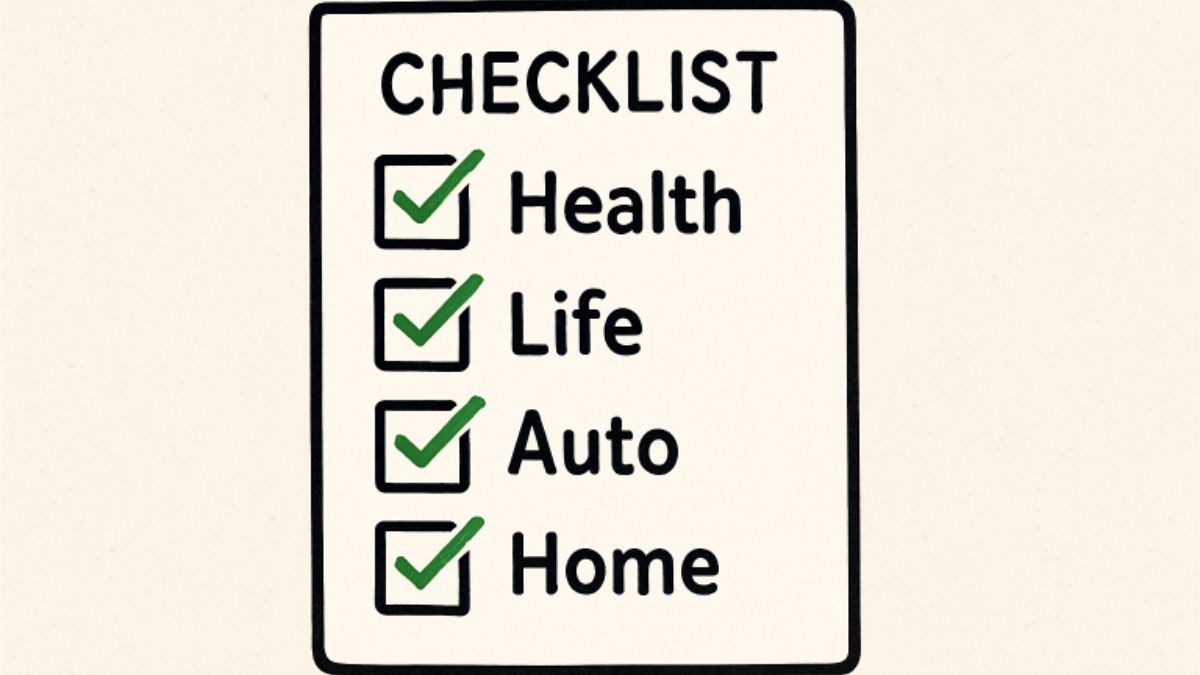
Selecting the right insurance policy is a critical step in safeguarding your financial stability and peace of mind. Whether you are considering health, life, auto, or homeowners insurance, making informed decisions that reflect your unique needs protects you against unexpected setbacks. With numerous options available in the market, especially when evaluating insurance companies in Fort Myers FL, understanding how to navigate these choices is more important than ever.
The insurance landscape can seem overwhelming at first. Policies differ in terms of coverage options and costs. Taking a structured approach to evaluating your situation, researching your options, and regularly updating your policy ensures you are never caught unprepared or paying too much for protection you don’t need.
Assess Your Personal Needs and Financial Situation
Begin by thoroughly evaluating your current situation. Are you supporting a family, or are you single? Do you have significant personal assets or dependents that would need financial support should anything happen to you? Consider long-term financial obligations and underlying health conditions. If you’re young and in good health, a high-deductible health plan may be more cost-effective, whereas those with dependents might prioritize comprehensive life insurance coverage.
Your risk tolerance also plays a role. Some may be willing to pay higher premiums in exchange for lower out-of-pocket costs in the event of an emergency, while others may opt for lower premiums and accept higher deductibles. Gauging your ability to handle unexpected expenses helps refine your search.
Understand Different Types of Insurance Policies
Familiarizing yourself with common insurance types is key to understanding which best fits your needs:
- Health Insurance: Covers medical expenses, hospital stays, and preventive care. Consider coverage levels, network scope, and prescription benefits.
- Life Insurance: Protects your loved ones with a payout in the event of your death, helping to cover living expenses, debts, or educational costs.
- Auto Insurance: Required by law, it shields you from financial burdens after accidents or theft involving your vehicle, with varying levels of coverage and deductibles.
- Homeowners Insurance: Safeguards your investment against damages due to fire, natural disasters, theft, and certain liabilities associated with your property.
Each product serves a unique purpose, and finding the right combination helps ensure comprehensive protection without overspending or leaving critical gaps.
Evaluate the Reputation and Financial Stability of Insurance Providers
Selecting a reputable and financially sound insurance provider is vital. Research insurers using independent ratings agencies. These ratings reflect the company’s ability to pay out claims and its long-term stability. Strong ratings indicate reliable claim handling—even in widespread disaster scenarios.
Customer reviews, complaint records, and market presence are also important markers of a trustworthy company. The National Association of Insurance Commissioners maintains a searchable complaint index, providing real consumer experiences with various insurers. This resource can be especially helpful in identifying potential red flags.
Consider the Balance Between Premiums and Coverage
Cheap insurance policies may seem attractive, but they often come with high deductibles or limited coverage. It’s essential to weigh monthly premium costs against potential out-of-pocket expenses if you ever need to file a claim. For example, a low-premium health plan may result in higher overall costs in the event of a major illness or emergency care.
Be sure to inquire about co-pays, annual limits, and policy caps, as these may impact the actual value you receive from the coverage. Select a policy that strikes a balance between premium costs and benefits, aligning with both your budget and your ability to comfortably manage the unexpected.
Be Aware of Policy Exclusions and Limitations
Every insurance policy comes with exclusions and limitations outlined in the fine print. Pre-existing health conditions, certain natural disasters, and high-risk items are among the common exclusions. Read your policy carefully or consult an agent to ensure there are no hidden gaps that could leave you vulnerable to substantial losses.
Seek Professional Assistance When Needed
If you’re unsure about policy details or coverage needs, don’t hesitate to seek guidance from licensed insurance professionals. Agents and brokers have the expertise to find solutions tailored to your financial goals, family structure, and risk profile. Resources like the National Association of Insurance Commissioners also offer helpful consumer alerts, and their Health Insurance Shopping Guide breaks down key questions to ask during the process.
Review and Update Your Policy Regularly
Major life changes—such as marriage, the birth of a child, buying a house, or a career shift—can quickly render existing insurance policies outdated. Plan annual reviews of your coverage to confirm that your policies continue to reflect your needs. Don’t wait for an emergency to discover coverage gaps or missed savings opportunities.
Conclusion
Choosing the best insurance policy is about more than just cost—it’s about understanding your risks, doing diligent research, and making adjustments as your life evolves. With careful planning, honest assessment, and timely updates, you can select a policy that gives true financial security for you and your loved ones, no matter what the future holds.
-

 TOPIC1 year ago
Top 5 Features of Googlediqiu You Didn’t Know About
-

 TOPIC2 years ago
Why Large Waterproof Outdoor Rugs Are Essential for All Outdoor Spaces
-

 FASHION2 years ago
How to Layer Your White Dress for Cold Weather?
-

 TOPIC2 years ago
7 Expert Tips For Choosing The Best Basement Renovation Companies
-

 TOPIC1 year ago
Why Greece Katz Martian Has Everyone Talking in 2025
-

 BUSINESS1 year ago
Top 5 Features of Sowix Online That Every User Should Know About
-

 FINANCE2 years ago
How TraceLoans Can Simplify Your Finances
-

 TOPIC1 year ago
Top Features of BetterThisWorld .com You Need to Know About