
TOPIC
What Makes ERP Software a Must-Have for Fashion Inventory Management?


The fashion industry operates in a dynamic, fast-paced environment, where trends change rapidly, and supply chains are global and complex. Inventory control is very important in any clothing business since bad inventory management could lead to overstocking, stockouts, missed sales opportunities, or excessive storage costs. Because of the ongoing competition and the need for operational efficiency, a number of fashion companies have increasingly opted for Enterprise Resource Planning (ERP) software as a solution for their inventory management processes. By implementing ERP systems, different business sectors are included in a single, centralized platform, which enables better control, visibility, and automation.
In this article, we will explore why ERP software is a must-have for fashion inventory management and highlight the key benefits of ERP for fashion businesses.
1. Real-Time Inventory Visibility
The foremost advantage of ERP in fashion inventory management is, no doubt, its capability to offer real-time visibility of stock levels. Fashion companies can easily deal with a massive stock of different products, sizes, colors, and types in various stores, warehouses, and distribution centers. Without an ERP system, it would be impossible to track inventory across these places; chaos will arise, resulting in a loss of sales, and errors in stock count, or even overstocking.
When ERP software is used, inventory data is centralized and updated in real time, so it is possible for businesses to get correct information about stock levels at any moment. This visibility is vital for fast and informed decisions about restocking, reallocating inventory, or doing promotions. Clear knowledge of their own inventory helps businesses to effectively manage the causes of the overstocking or stockouts of customers, who bare minimum excess inventory.
2. Stock Inventory Automation
Fashion is a sector that looks upon trends mostly based on seasons, which makes managing stock of the utmost significance. Timing is key—in fact, ordering too early or late can both result in making unsold items and missing out on opportunities. The automated process of the ERP plays a huge role in the replenishment process, which helps firms keep up their inventory without constant manual intervention.
ERP systems can create purchase orders automatically when stock levels fall below specific thresholds. This ends the need for manual inventory checks and thus keeps the businesses with the optimal stock levels to avoid overordering. The software may also consider lead times, supplier performance, and demand forecasts, which means the appropriate time for businesses to replenish stock will be found. Automatic replenishment eliminates the potential of mistakes, and ensures that the sought-after items are on the shelves whenever requested by customers, enhancing sales, and customer satisfaction.
3. High Precision Demand Forecasting
Estimation of customer demand is one of the most common issues encountered in the field of fashion inventory management, especially considering the constantly changing trends. The benefits of ERP systems include the capacity to analyze historical sale data, seasonal trends, and other associated factors to create precise demand forecasts.
The ERP software is also capable of collecting and aggregating data from the sales channels, inventory levels and market trends to assist businesses in predicting future demand more accurately. Also, by utilizing sophisticated forecasting algorithms, the ERP systems can guarantee that the fashion industry is best equipped to adapt their line of products to customer preferences. Accurate demand forecasting avoids stockouts and overstocking, which in turn helps businesses optimize their inventories and reduce waste. Furthermore, ERP systems enable companies to make adjustments concurrently, so that their inventory management stays flexible and reacts promptly to fluctuating market situations.
4. Order Fulfillment and Processing Effectively
Fashion stock management is not just figuring out stock but also making sure that the items are quickly available to clients. Order fulfillment is often a focal point for the fashion sector, especially as E-commerce continues to flourish. The gains of ERP in fast order fulfillment are direct and obvious, especially how it connects order processing with inventory management.
ERP systems enable the company to automate the whole order-to-cash cycle, beginning with the order setup, to the stock counting, and ultimately, to the shipment. After an order submission, the ERP system alters the inventory records and activates the workflows that are necessary to complete the order automatically. This automation lowers the chances of mistakes and delays in service, thus ensuring that the customers are given their orders exactly when needed. Beyond that, ERP systems can choose the inventory location that best suits the order such as, the nearest warehouse or store, which would not only optimize shipping time but costs too. Acceleration of delivery time, accuracy in order fulfillment translate into customer satisfaction and create loyal customers.
5. Supplier Management Experience and Lead Time Optimization
Managing relationships with suppliers is a determinant in keeping a steady flow of inventory, and the advantages of ERP go along with it, by making supplier management better. The ERP software permits businesses to maintain an eye on vendor performance, delivery schedules, and prices. The supplier data is consolidated on one platform and with that, businesses can find the most dependable suppliers, and make agreements more favorable and, consequently, supply exactly when needed.
Moreover, ERP systems chart the course for businesses to optimize lead times by supplying them, real-time updates on deliveries from suppliers and production schedules. Having accurate lead time data, the businesses could restock efficiently and make them never to run out of stock or overorder. The better the supplier relationships and the vision of the supply chain processes that exist, the more efficient and cost-effective inventory management becomes with fewer disruptions and delays.
6. Scalability for the Fast-Growing Firms
When fashion companies grow, storing inventory becomes complicated. This includes adding more product lines, managing more stores, or branching into new markets. The most notable benefit of ERP, is that it expands which means companies grow without having the inventory get out of hand.
ERP systems are capable of processing a high level of transactional data, product lines, and store locations without losing centralized control of inventory data. Be it adding more product types, entering new areas, or integrating more sales channels, ERP systems can easily adjust to those changes. Scalability keeps the fashion industry on the right track by allowing them to handle their inventory effectively while they grow without turning to multiple systems or manual processes.
7. Strengthened Financial Management and Reporting
Inventory management is not only following the stock; it is also having a financial perspective about the inventory choices. The merits of ERP involve improved tracking of the value of inventory and informed financial decisions by way of detailed financial reporting.
ERP systems work by linking inventory data to financial data, providing managers with a real-time update on metrics such as goods sold (COGS), inventory turnover, and profitability. Businesses can produce reports pinpointing the slow-moving inventories, excessive stocks, or products that are not doing well. This course of action helps businesses to identify the areas they could eliminate costs or increase sales thereby leading to improved financial control and profitability.
Conclusion
Effective inventory management is a key area of running a very successful fashion business which is where the software ERP comes in with its significant benefits. Starting from the real-time visibility of inventory and automated replenishment, ERPs improved demand forecasting, and better order fulfillment; ERP systems ease every inventory operation. They assist businesses in supplier relationship optimization, cost reduction as well as maintaining financial control.
With fashion becoming a fast and highly competitive industry, ERP software empowers companies to be more efficient, responsive, and profitable. Through the use of ERP for fashion inventory management, businesses can have lesser errors, greater customer satisfaction, and at the end of the day, greatly improve their earnings. In an environment where consumer demands are high and trends constantly shift, ERP becomes a must-have tool to manage stock and to be competitive.

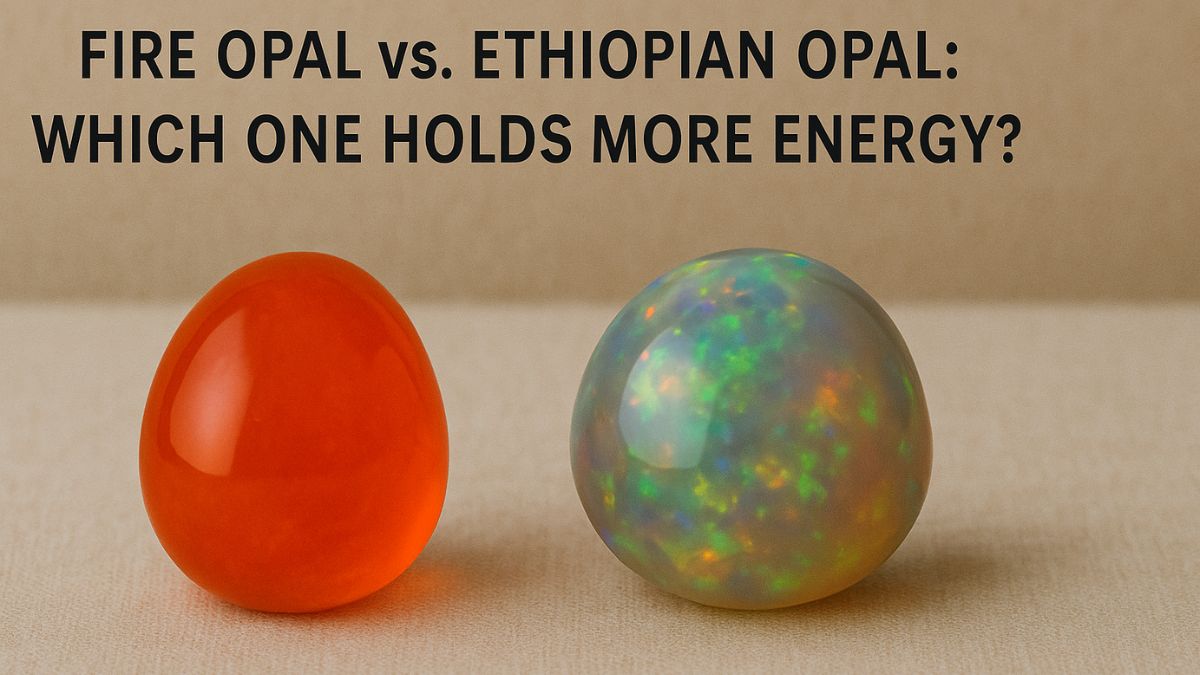
There are some gemstones that catch your eye with their beauty, whereas others leave a lasting impact with their energy. But when it comes to fire and Ethiopian opals, they bring the best of both worlds. These two stones may share the same common name, “opal,” but their personalities are as diverse as fire and a mist. One is known for igniting passion, whereas the other one can enhance intuition. That’s why your purpose matters so much when searching for the best websites to buy gemstones.
However, the question is – which stone carries more energy when it comes to healing? In this blog, we’ll explore these gemstones’ individual powers and see which one is suitable for which purpose.
Understanding the Energy of Opals
Opals are known as emotional amplifiers. As a result, they can mirror your moods and enhance what’s already within you. However, each opal variety brings its own vibe.
If we talk about fire opal, it’s mainly used for sparking passion. Its energy resembles that of fire. As a result, it can feel energizing, warm, and impossible to ignore. On the other hand, Ethiopian opal carries the essence of moonlight. This stone is deep and dreamy and helps you tap into your emotions, intuition, and spiritual self.
Let’s look at their energies more closely, as it’ll help you when browsing opal gemstones for sale.
Fire Opal
As evident from the name itself, fire opal contains a vibrant, almost fiery energy. It comes mainly from Mexico and is known for its radiant orange, red, or yellow-golden hue. These shades can help activate our solar plexus and sacral chakras. Hence, if you’re going through a phase in your life where you need confidence, courage, or creativity, then fire opal can be the support you need. It can help with the following things:
- Reigniting passion for life and work
- Boosting confidence and vitality
- Overcoming fears and emotional blockages
- Encouraging bold action and independence
However, fire opal isn’t a magic fix. Instead, it helps activate your “inner fire,” which in turn helps you act upon things rather than just contemplating them. Its energy is invigorating, warm, and ideal for when you’re ready to leave behind hesitation and channel your power.
Ethiopian Opal
When you look at an Ethiopian opal, especially the hydrophane variety, it seems like this gemstone holds an entire galaxy within. Since they tend to absorb water, it makes them sensitive to emotions and energies, similar to empaths.
This opal variety comes in shades of blue, green, and a violet color play. It’s also associated with the crown and third-eye chakras. Hence, if you’re working on spiritual alignment or need emotional healing, Ethiopian opals can help. They provide support with the following things:
- Enhancing intuition and psychic sensitivity
- Releasing emotional patterns and past traumas
- Deepening meditation and dream recall
- Opening to spiritual downloads and higher guidance
Unlike the fire opal, Ethiopian opal doesn’t rush; rather, it flows. This gemstone can help you feel emotions and things so that you can reflect on them and shift at your own pace. These opals are known for gently bringing emotions to the surface, which helps us heal as we introspect.
Pro Tip: However, you should always explore opals from the reputable websites only for authenticity and variety. The effectiveness of any opal’s energy hugely depends on whether
Fire Opal vs. Ethiopian Opal – Which One Feels Stronger?
If fire opal is fierce, then Ethiopian opal is like a calming river, with slow water flow, teaching us to embrace the rhythms of life one step at a time. If we want to assess which stone’s energy is stronger, then it’s important to know what kind of energy you’re looking for.
A fire opal is a great option if you need:
- A quick burst of motivation
- Strength to speak your truth
- Support through energetic burnout
- Help with manifesting goals
On the other hand, Ethiopian opal is more powerful when you need:
- Inner clarity and spiritual guidance
- Emotional integration and release
- Connection to higher realms
- Healing from emotional confusion
Fire opals have an outward energy, which is good for those who need action-oriented healing. It means that if you lack motivation or creativity to do things, this opal variety is like your best friend, who inspires you to be the better version of yourself every day.
Now, if we talk about Ethiopian opal, its energy is more receptive and emotional, ideal for inner work. Its vibes are like fluid, helping us to realize what’s inside and then embracing every emotion and letting go of those that no longer serve us.
How do we use both opals together?
If you want to buy opal gemstone online, you don’t have to pick sides. In fact, using fire and Ethiopian opals in tandem can be a powerful practice. Here’s how:
- Morning Motivation: Wear fire opal when you want to start your day with confidence and direction.
- Evening Reflection: Meditate with Ethiopian opal to decompress, process emotions, and tune into your inner voice.
You can even place both stones together during meditation to balance the yin (intuitive) and yang (active) energies within you.
There’s An Opal for Every Purpose; You Just Have to Find Yours
Now that we know the individual energies of fire and an Ethiopian opal, you should figure out why you need an opal in your life. Both varieties carry energy, but how strong they are often depends on how you use them and what you’re looking to enhance in your life. This is because energy flows, and it’s your purpose that shows a direction to that energy.
If you’re not sure where to begin, GemstonesForSale is one of the most trusted destinations that offers an array of ethically sourced opal gemstones, including both fire and Ethiopian varieties.

A residential HVAC inspection is a structured process that ensures a home’s heating, ventilation, and air conditioning system functions efficiently and safely. Routine inspections improve indoor comfort, extend equipment life, and reduce energy consumption. These evaluations typically occur before seasonal transitions to help prepare the system for higher demands.
Due to coastal conditions, HVAC in Huntington Beach is subject to humidity, salt, and temperature changes. These factors make routine checks essential to prevent corrosion, ensure energy efficiency, and maintain air quality. Regular inspections help extend the system’s lifespan and reduce the likelihood of unexpected breakdowns.
Initial Safety and Visual Inspection
The inspection in Huntington Beach starts with an overall evaluation of the system’s condition. The technician observes critical components to identify visible issues or safety concerns. This step lays the groundwork for more detailed diagnostics.
Tasks performed during this phase include:
- Inspecting air filters, vents, and ducts for blockages or dirt buildup
- Checking electrical connections for wear, corrosion, or looseness
- Examining the outdoor condenser for damage or obstructions
- Reviewing service logs or maintenance histories, if available
Operational Testing of Major Components
Once initial checks are complete, the system is powered on to observe how it operates under normal conditions. Performance is evaluated to ensure it meets the expected standards. Any irregular noises, odors, or delays in operation are also noted for further diagnosis.
Refrigerant and Compressor Inspection
Technicians measure refrigerant levels and pressure to confirm they are within proper limits. The compressor is tested for consistent function without overheating or cycling irregularly. Any signs of refrigerant leaks or abnormal compressor noise are documented for further inspection.
Airflow and Blower Efficiency
The blower fan is monitored to ensure proper airflow delivery throughout the space. Evaporator and condenser coils are inspected for dirt buildup or physical damage. These issues can significantly reduce heat transfer efficiency and system performance.
Detailed Mechanical and Safety Review
This phase involves a closer examination of moving parts, drainage components, and safety mechanisms that ensure proper operation over time. These evaluations detect mechanical wear and help avoid unplanned breakdowns. Technicians in Huntington Beach will typically perform the following checks:
- Inspect belts, pulleys, and fan blades for wear and alignment.
- Clean and check drain pans and condensate lines to prevent leaks.
- Test gas ignition systems or pilot lights, where applicable.
- Confirm operation of limit switches, flame sensors, and pressure controls.
Thermostat Calibration and Control System Review
System performance depends on accurate communication between the thermostat and HVAC equipment. Proper calibration ensures reliable and consistent climate control throughout the home. Technicians ensure control systems function properly and are responsive to temperature demands.
Thermostats are calibrated to match the actual room temperature. Control boards are examined for corrosion, loose wires, or faulty relays. Cycle durations and fan settings are adjusted for better energy use.
Evaluating System Performance
After system testing, technicians in Huntington Beach evaluate overall efficiency and offer suggestions to maintain or improve performance. Energy consumption is assessed against equipment capacity and expected performance levels. Air quality tools, such as filters or UV systems, are reviewed for effectiveness.
Inspection Report and Maintenance Planning
To complete the inspection, technicians in Huntington Beach prepare a summary that outlines the system’s condition, any identified issues, and the necessary actions to address them. The final deliverables often include a written report detailing the inspection results, cost estimates for any required repairs or adjustments, and a service schedule for upcoming tune-ups or part replacements. This report provides a clear path forward for maintaining reliable HVAC service and preventing potential system failures.
For homes relying on HVAC in Huntington Beach, these inspections ensure readiness for both warm summers and cooler months near the coast. A residential HVAC inspection covers every critical aspect of system performance. It includes safety reviews, mechanical checks, and efficiency evaluations.
A restful night’s sleep is critical to your physical and mental well-being. While most people focus on bedroom comfort with mattresses, blackout curtains, or quiet environments, indoor air quality is often overlooked. In a place like Bradenton, where humidity, allergens, and constant air conditioning are common, the cleanliness of your air ducts plays a significant role in how well you sleep.
The Connection Between Ducts and Indoor Air Quality
Duct cleaning in Bradenton plays a key role in maintaining healthy indoor air, especially given the region’s climate. Your home’s duct system serves as the main pathway for heated or cooled air, but over time, it can accumulate dust, pollen, mold spores, and other airborne contaminants. When the HVAC system operates, these particles are circulated into your living spaces, including the bedroom. In Bradenton, where air conditioning runs almost year-round, the chances of dirty ducts impacting indoor air quality are even higher. Regular cleaning helps reduce these irritants and supports better respiratory health for everyone in the home.
Sleep Disruptors Hiding in Your Ducts
Contaminants inside your ductwork can quietly affect your sleep without you realizing the source. The following issues are common among those with unclean ducts:
- Nighttime allergy symptoms, such as sneezing or watery eyes
- Itchy throat or dry nasal passages upon waking
- Coughing or congestion that worsens at night
- Musty or unpleasant smells from mold or dust buildup
These disruptions, while often subtle, can add up over time and reduce the quality and duration of your sleep.
Why Clean Ducts Help You Sleep Better
One clean air change you can make in your home that delivers long-term health benefits is improving the quality of your air ducts. When your ducts are clean, your entire sleep environment improves:
- Reduced allergens allow for deeper, uninterrupted sleep
- Balanced airflow helps maintain a comfortable bedroom temperature
- Fewer airborne pollutants lower the risk of sinus irritation or respiratory issues
- Cleaner ducts reduce dust buildup on surfaces like bedding and furniture
Improving air quality in your home is one of the simplest ways to help your body rest more comfortably at night.
The Importance of Hiring Professionals
Cleaning air ducts is not something most homeowners can or should do on their own. Professional duct cleaning teams have the tools, expertise, and experience to remove buildup safely and completely. This includes removing mold, dust, insects, or debris that might be sitting deep inside the system.
In a city like Bradenton, where air conditioners work harder due to high heat and humidity, hiring professionals ensures the job is done right. It also protects your HVAC system from wear and tear caused by dirt and blockage. With professional help, you’re improving sleep quality and extending the life of your cooling system.
Bradenton’s Climate and the Need for Clean Ducts
Bradenton’s climate brings added challenges when it comes to maintaining healthy indoor air. The high humidity, frequent use of air conditioning, and presence of seasonal allergens all make regular duct maintenance especially important for residents. By prioritizing duct cleaning in Bradenton, homeowners can better control indoor humidity levels, prevent mold and mildew from developing in the duct system, and improve HVAC efficiency throughout the year. In addition, clean ducts help maintain a fresher-smelling, cleaner home environment. Together, these benefits contribute to a more peaceful and healthier space for restful sleep.
If you’re waking up congested or struggling with poor sleep, your air ducts might be part of the problem. Clean ducts play a critical role in creating a healthy sleep environment, especially in climates like Bradenton’s. By hiring a trusted professional for routine cleaning, you can breathe easier at night, reduce allergens, and enjoy the full benefits of restful sleep.
-

 TOPIC8 months ago
7 Expert Tips For Choosing The Best Basement Renovation Companies
-

 BUSINESS1 month ago
Top 5 Features of Sowix Online That Every User Should Know About
-

 TOPIC3 days ago
Why Greece Katz Martian Has Everyone Talking in 2025
-

 TOPIC1 month ago
Top Features of BetterThisWorld .com You Need to Know About
-

 FINANCE4 months ago
How TraceLoans Can Simplify Your Finances
-

 BIOGRAPHY4 months ago
From Reality Star to Business Mogul: Prince Narula Digital PayPal
-

 EDUCATION1 month ago
The Evolution of Pi123: How It Became a Must-Have Tool
-

 TOPIC1 month ago
Sabsastaa.com: Your Ultimate Guide to Budget Shopping and Savings