
LAW
What to Do After a Car Accident: A Practical Guide for Drivers


Introduction
Car accidents are stressful and can shake even the most experienced drivers. The moments after a collision are crucial—not just for your health and safety, but also for protecting your rights and interests. Taking the right steps immediately can make a significant difference when dealing with insurance companies, medical care, and even potential legal issues. If you find yourself involved in a serious collision or need guidance on your legal options, an Albuquerque personal injury lawyer can provide critical assistance in navigating the aftermath.
Staying clear-headed and knowing what actions to take can reduce anxiety and ensure your well-being, both physically and financially. This guide offers a practical approach to handling a car accident scene, communicating with authorities, gathering important details, and managing your insurance process. Understanding these steps will prepare you—should the unexpected happen—in a way that prioritizes your safety, responsibilities, and peace of mind.
Why Staying Calm Matters
The initial shock and adrenaline following a crash make it easy to act on impulse or panic. However, maintaining composure is essential for several reasons. When you’re calm, you are less likely to forget crucial details, make poor decisions, or escalate tensions with others involved. Take a moment to breathe deeply, focus on your immediate surroundings, and remind yourself that it’s important to remain steady so you can make informed decisions and collect all pertinent information.
Your demeanor at the scene may also impact how witnesses perceive the incident, how police conduct their investigation, and how insurance representatives interpret the events afterward. Take charge of your response—doing so can help secure your safety and support any potential legal or insurance claims you need to make.
Securing the Scene: First Steps
As soon as it’s safe to do so, turn on your vehicle’s hazard lights to signal other drivers of the emergency. If the car is drivable and it’s safe, move your vehicle to the side of the road or a secure location nearby. Leaving vehicles in active lanes can create additional hazards and may lead to further accidents. In circumstances where vehicles cannot be moved, remain inside (unless it’s dangerous to do so) and wait for help.
Place warning triangles, cones, or road flares if you have them in your emergency kit. Not only do these warn approaching traffic, but they also create a safer zone for everyone involved at the scene. Never leave the scene of an accident—doing so could result in serious legal consequences.
Contacting Emergency Services
Promptly call 911 or the local emergency number, regardless of the accident’s severity. Even in cases of minor damage, it’s often required by law to file a police report, and official records can become crucial for your insurance claim or any legal proceedings. If there are injuries, communicate them clearly to the dispatcher so they can prioritize the right emergency response.
When law enforcement arrives, cooperate fully and provide accurate information. Do not speculate or assign blame—simply share the facts. For an in-depth look at reporting guidelines and what to expect when police respond, check out the National Highway Traffic Safety Administration’s vehicle safety resource.
Gathering Key Information
Collecting accurate and complete details at the scene will make the claims process much smoother. Be sure to exchange names, phone numbers, addresses, driver’s license numbers, and current insurance information with all other drivers involved. Snap photos of all vehicles, license plates, the broader scene (including any relevant traffic signs or signals), and any visible injuries.
Jot down notes about the exact time and date, weather conditions, and street names or landmarks. These notes can fill in gaps in memory later and provide reliable backing for your version of events. It’s also important to avoid discussing fault or negotiating with the other drivers right away; simply focus on gathering facts.
Speaking to Witnesses
If bystanders or passersby observed the accident, politely ask if they would be willing to share what they saw. Their statements may corroborate your account and strengthen your case if fault becomes an issue. Record their names and contact information, and encourage them to share their recollections with the responding police officers.
Getting Medical Attention
Always seek a medical evaluation after an accident, even if you do not feel hurt immediately. Adrenaline can mask common injuries such as whiplash or concussions, and delayed treatment can sometimes worsen outcomes. Medical documentation is also vital for insurance claims or legal disputes.
Your health and safety should come first, and a proper evaluation ensures any injuries are addressed early. The Centers for Disease Control and Prevention (CDC) offers guidelines on symptoms to watch for, such as headaches, confusion, or dizziness, which may indicate more serious conditions following a collision.
Notifying Your Insurance Provider
Inform your insurance provider about the accident as soon as possible. Provide them with all collected details, including contact information, photographs, notes, and any police report numbers. Timely and accurate reporting spares you delays and may help streamline the claims process. If the other driver’s insurance company contacts you, refrain from giving statements beyond basic details until you’ve spoken with your own insurer—or legal counsel, if needed.
Prompt reporting and transparency can help avoid coverage issues and ensure you receive the assistance you’re entitled to under your policy.
Additional Steps and Resources
If your accident results in significant damage, injuries, or a dispute over who was at fault, considering outside help may be in your best interest. Legal professionals can clarify your rights and obligations, especially in states with complex at-fault and no-fault insurance rules. Keep a written record of all your accident-related conversations—whether these are with insurance adjusters, police, or medical providers—to protect your interests moving forward.
Make a point to review your state’s specific accident reporting and insurance requirements, which you can often find on your local Department of Motor Vehicles or transportation authority website. For further reading on how to handle claims and ensure fair treatment after a collision, see this helpful summary from Consumer Reports.
By following each of these steps, you can minimize chaos after a crash, protect yourself legally and financially, and ensure a smoother recovery both for you and those around you.
Summary
Knowing what steps to take after a car accident can make a stressful situation more manageable. From ensuring everyone’s safety and contacting emergency services to documenting the scene and exchanging information, drivers can protect both their well-being and their legal rights. This guide also emphasizes the importance of promptly notifying insurance providers and seeking medical attention, even for minor injuries. By following these practical steps, drivers can navigate the aftermath of an accident with confidence and preparedness.
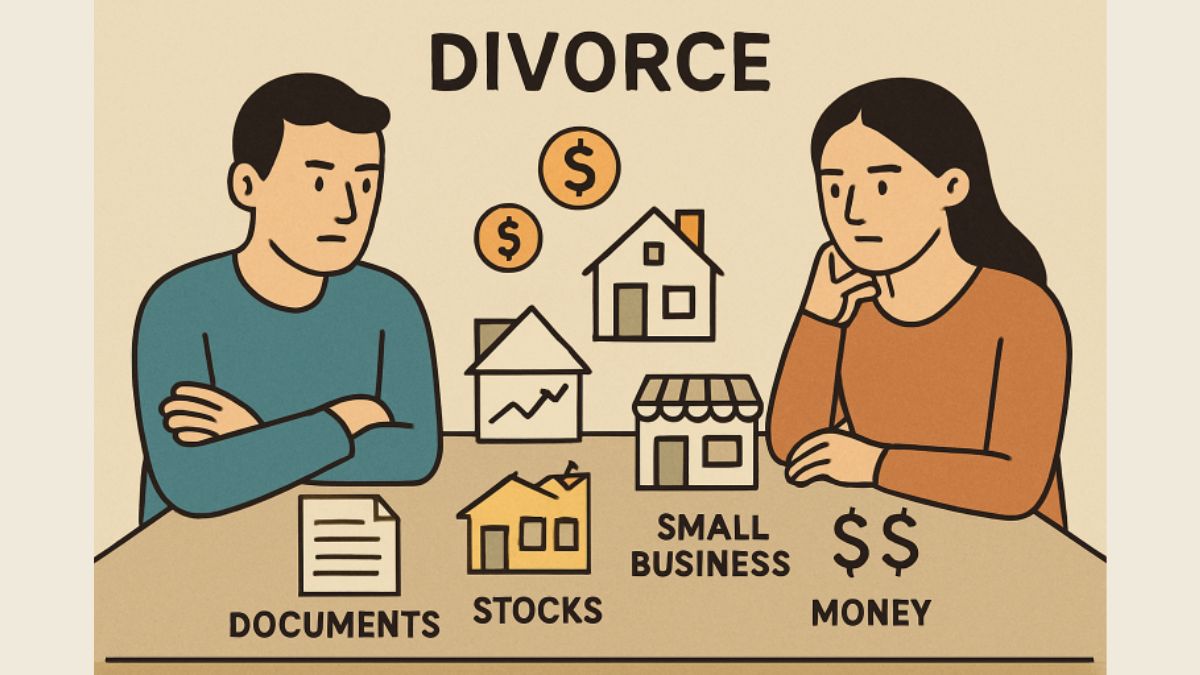
Divorce is rarely straightforward, and when complex assets are involved, the situation can become exponentially more challenging. Emotional stress is often compounded by the need for meticulous financial analysis and negotiation. The fair and accurate valuation of these assets may be the single most decisive factor in ensuring an equitable settlement. Complex assets might include business interests with fluctuating values, diverse investment portfolios spanning multiple accounts, intellectual property with unpredictable future earnings, or even intricate stock option grants. Given the range and sophistication of these asset classes, it’s no wonder that many turn to a divorce attorney in Carlsbad at the very outset. Professional advice helps ensure every subtle detail and asset is considered and optimally addressed before negotiations even begin.
With significant financial stakes and long-term consequences, understanding the subtleties of assessing and dividing marital property is essential. Each asset’s unique valuation methodology, the interplay between state laws, and the emotional backdrop of divorce all influence the process. Mistakes or shortcuts during this stage can lead to future disputes, costly litigation, or unintended inequities. This guide discusses key principles and expert-backed strategies that form the groundwork for fair outcomes, highlighting how structure, preparation, and strategic planning make a tangible difference.
Identifying and Classifying Complex Assets
The foundation for any fair division of marital assets is a complete inventory of all assets owned by both parties, individually and jointly. The vast category of complex assets includes privately held businesses, restricted stock, deferred compensation plans, intellectual property rights, foreign investments, and, increasingly, digital assets such as cryptocurrencies and NFTs. Accurate valuation begins with separating marital property, typically, assets and income earned during the marriage, from separate property, such as inheritances or assets owned prior to the marriage.
The specifics of what qualifies as marital property can vary by state, especially between community property and equitable distribution states, adding another layer of complexity. Overlooking or incorrectly labeling an asset as separate property may cause one spouse to lose entitlement to valuable resources. It is vital to carefully review every holding, account, property, and intellectual property, especially when business interests, stock portfolios, or royalties are involved. An expert’s systematic approach ensures all assets are disclosed and addressed.
The Importance of Professional Asset Valuations
Assigning value to complex assets is technical and frequently contested. Trusting this step to professional appraisers or forensic accountants is almost always essential. For example, valuing a business interest isn’t just about current net income—it could include goodwill, customer contracts, brand recognition, and growth potential. Similarly, restricted stock units may be governed by strict vesting timelines and uncertain market conditions.
Professional valuators use a combination of methods tailored to each asset class, including discounted cash flow, market comparison, and asset-based approaches. Not only do these methods provide a credible foundation for negotiations or court proceedings, but they also minimize the risk of undervaluing high-growth assets or overestimating illiquid ones. Early engagement with valuation experts leads to well-documented, unbiased conclusions that can help avoid disputes or costly appeals down the road.
Assessing Hidden or Overlooked Assets
Unfortunately, divorces involving significant assets sometimes devolve into attempts to conceal wealth. Hidden or overlooked assets can include offshore accounts, income from side businesses, cryptocurrency wallets, or unreported intellectual property. Forensic accountants and specialized investigators can help identify and track down irregularities and red flags by tracing bank transfers, reviewing business records, and analyzing lifestyle expenditures.
Complete transparency from both parties is crucial, but sometimes unattainable without third-party oversight. Discovery procedures like subpoenas and depositions may become necessary, especially if informal requests are stonewalled. Dedicating time and resources to careful investigation is a critical step to ensuring both parties receive their fair share, preventing one spouse from unjustly reaping benefits due to hidden wealth or intentional misstatements.
Navigating Tax Implications
Tax issues linked to complex asset division can be significant and long-lasting. For instance, dividing retirement accounts incorrectly can trigger steep penalties and income tax liabilities. Some investments, like stocks or real estate, may have large unrealized capital gains, creating possible tax burdens that could leave one spouse shouldering a disproportionate burden. People often undervalue the future effect of taxes when focusing on “headline” asset values.
Working with tax professionals or divorce financial planners during the settlement process ensures that transfer timing, structure, and ownership designation are optimized to minimize the overall tax bill. Sometimes, settlements can be structured so that each party receives a mix of assets with similar after-tax value, rather than just comparable pre-tax value. When addressed early, tax-savvy strategies can transform a reasonable division into a truly equitable one, securing both partners’ financial health years beyond the divorce itself.
Techniques for Fair Division of Complex Assets
Crafting an equitable split for complex assets often requires creativity and advanced planning. Dividing the proceeds from the sale of a property may be simple, but dividing a family business, closely held shares, or a start-up’s equity is not. Couples and their attorneys often have to balance diverse needs: asset appreciation, liquidity, practicality of division, and tax efficiency.
“Trading” assets, such as allowing one spouse to retain the family business in exchange for more real estate or retirement assets, can help keep negotiated settlements amicable while still fair. Sometimes, installing structured settlements, phased buyouts, or options for future sales protects both parties from abrupt financial shocks. Success often comes down to tailoring solutions to the couple’s unique asset mix, priorities, and life goals.
The Role of Expert Legal Advice
Navigating the landscape of high-value or multifaceted assets without legal expertise risks expensive mistakes or missed opportunities. A seasoned divorce attorney brings crucial value by coordinating with appraisers or forensic accountants, interpreting complex state laws, and advocating for fair arrangements in both mediation and the courtroom.
Experienced attorneys understand the very factors judges weigh when reviewing divorce settlements—including income potential, asset volatility, the practical need for liquidity, and specific family considerations such as ongoing child support or alimony. More critically, legal experts can protect against omissions, ensure compliance with local statutes, and give you peace of mind that the ultimate settlement honors both the law and your financial future.
Conclusion
A divorce with complex assets isn’t just a legal procedure; it’s a major financial event that can shape your future for decades to come. By identifying each asset, relying on professional appraisals, considering tax implications, and placing trust in expert legal advice, both parties can navigate this difficult transition more confidently and emerge with their financial stability protected.

Introduction to SolomonLawsc.com and its mission
In a world where technology continues to reshape our daily lives, the legal profession is no exception. Enter SolomonLawsc.com, a pioneering platform that’s making waves in the realm of online legal services. With a mission to provide accessible and efficient legal solutions, this innovative website is empowering individuals and businesses alike. Gone are the days when finding reliable legal help meant navigating complex jargon or spending hours on end searching for the right attorney. SolomonLawsc.com simplifies the process, bringing professional guidance straight to your fingertips. Let’s dive deeper into how this groundbreaking platform is changing everything we thought we knew about obtaining legal assistance!
The Benefits of Online Legal Services
Online legal services offer unparalleled convenience. Clients can access assistance from the comfort of their homes, eliminating the stress of in-person consultations. This flexibility allows for faster communication and problem-solving.
Cost-effectiveness is another significant advantage. Traditional legal services often come with high hourly rates and hidden fees. Online platforms typically provide transparent pricing, making it easier to budget for legal needs.
Moreover, clients benefit from a broader selection of lawyers specializing in various fields. This diversity enables individuals to find experts tailored to their specific circumstances without geographical limitations.
The digital landscape also enhances efficiency through streamlined processes and quick document delivery. No more waiting weeks for paperwork; everything happens in real-time.
Online legal services prioritize accessibility. They cater to diverse populations who might otherwise struggle with traditional systems due to physical or financial barriers.
The Team Behind SolomonLawsc.com
At the heart of SolomonLawsc.com is a dedicated team of legal professionals. Each member brings a wealth of experience and expertise, ensuring clients receive top-notch service.
The attorneys are well-versed in various fields, from family law to business litigation. They understand the nuances that can affect cases and strive for tailored solutions.
Beyond legal knowledge, this team values empathy. They recognize that clients often face emotional challenges alongside their legal issues. This understanding fosters trust and strengthens client relationships.
Support staff also play a crucial role in maintaining seamless operations. Their commitment to efficiency helps streamline processes and enhance user experience on the platform.
Together, they embody a collaborative spirit focused on achieving favorable outcomes for each client while revolutionizing how legal services are delivered online.
The User-Friendly Platform
Navigating legal services can often feel daunting. SolomonLawsc.com changes that narrative with its intuitive platform designed for everyone.
From the moment you land on the site, a clean and organized layout greets you. Key features are easy to find, ensuring users spend less time searching and more time addressing their legal needs.
The platform is optimized for various devices. Whether you’re on a computer or smartphone, accessing your account is seamless. This flexibility allows clients to manage their cases anytime, anywhere.
User support is readily available through chat options. Questions get answered quickly without unnecessary delays.
Additionally, resources like FAQs guide users through common queries effortlessly. The emphasis on user experience makes navigating this online service both simple and efficient for all clients seeking legal help.
Services Offered by SolomonLawsc.com
SolomonLawsc.com offers a diverse range of legal services tailored to meet the needs of individuals and businesses alike. From family law matters like divorce and custody disputes to real estate transactions, clients can find expert guidance.
Business owners will appreciate their assistance with contract drafting, compliance issues, and dispute resolution. SolomonLawsc.com is committed to helping entrepreneurs navigate the complexities of business law.
Their team also provides estate planning services, ensuring that clients’ wishes are honored while safeguarding assets for future generations. Whether it’s creating wills or trusts, they manage every detail with care.
Additionally, they offer consultation sessions where potential clients can discuss their unique situations in a supportive environment. This personalized approach makes accessing legal help more approachable than ever before.
No matter the challenge, SolomonLawsc.com stands ready to provide clear solutions backed by expertise and professionalism.
Testimonials and Success Stories
Testimonials and success stories from clients highlight the impact of solomonlawsc.com on individuals and businesses alike. Each story reflects how accessible legal services can transform lives.
One client shared their experience navigating a complex divorce. They praised the platform for its clarity and support during a challenging time. Their case was handled with professionalism, resulting in a favorable outcome.
Another small business owner found guidance through contractual disputes thanks to SolomonLawSC’s expertise. The seamless communication made all the difference in resolving issues swiftly.
These real-life experiences showcase not only successful outcomes but also the personal connections formed throughout each journey. Clients appreciate feeling heard and supported every step of the way, which is at the heart of solomonlawsc.com’s mission.
It’s these narratives that truly illustrate how modern legal solutions are making waves across various sectors, proving that accessible legal help can lead to profound changes for everyone involved.
How SolomonLawsc.com is Changing the Landscape of Legal Services
SolomonLawsc.com is redefining how legal services are accessed and delivered. By leveraging technology, it removes traditional barriers that have long hampered clients seeking legal help.
The platform enables users to connect with experienced attorneys from the comfort of their homes. This shift not only saves time but also reduces stress associated with in-person consultations.
Additionally, SolomonLawsc.com offers transparent pricing models, eliminating unexpected costs that often accompany legal services. Clients know what to expect upfront.
With a focus on user experience, the website provides easy navigation and resources tailored for both individuals and businesses. It empowers users to make informed choices about their legal needs.
As more people discover its advantages, SolomonLawsc.com continues to pave the way for a more accessible and efficient approach to law. The landscape of legal services is evolving rapidly as this innovative platform leads the charge.
Future Plans and Expansion
SolomonLawsc.com is constantly evolving to meet the needs of its users. With a vision for continuous growth, the team is exploring new services that go beyond traditional legal offerings.
Expansion into additional states is on the horizon. This move will make their services accessible to a wider audience. By breaking geographical barriers, SolomonLawsc.com aims to bring ease and efficiency to more individuals seeking legal support.
The platform also plans to enhance its technology infrastructure. Investing in advanced tools will streamline user experiences further, making it even simpler to navigate legal processes online.
Moreover, collaborations with other professionals are being considered. Partnering with experts across various fields can provide clients with comprehensive solutions tailored specifically for their unique situations.
These future initiatives reflect SolomonLawsc.com’s commitment to leading innovation in online legal services while adapting swiftly in an ever-changing landscape.
Conclusion
As the legal landscape continues to evolve, solomonlawsc.com stands at the forefront of innovation. By offering accessible, affordable, and efficient online legal services, they are breaking down barriers that have traditionally hindered individuals from obtaining quality legal assistance. The platform’s user-friendly interface combined with a dedicated team ensures that clients receive personalized attention while navigating their legal challenges.
With positive testimonials and numerous success stories backing its mission, SolomonLawsc.com is not just a service; it’s a movement towards democratizing access to justice. As they look toward future growth and expansion into new areas of law and enhanced technology offerings, one thing remains clear: this revolutionary approach is changing how people interact with the law for the better.
The journey of solomonlawsc.com showcases what can happen when dedication meets innovation in an industry ripe for transformation. Whether you’re seeking guidance on personal matters or business needs, there has never been a better time to explore what Solomon Law has to offer.

Catastrophic injuries can drastically change the lives of accident victims and their families. These injuries, which often include traumatic brain injuries, spinal cord damage, or severe burns, can result in long-term medical care, disability, and financial strain. In California, laws exist to protect victims of catastrophic accidents and ensure they receive fair compensation for their losses. Many victims seek guidance from a skilled catastrophic injury lawyer Los Angeles to navigate the complex legal system and secure the financial resources needed for recovery.
What Qualifies as a Catastrophic Injury
A catastrophic injury is typically defined as one that has a permanent or long-lasting impact on a victim’s physical, emotional, or cognitive abilities. Common examples include:
- Traumatic brain injuries (TBI)
- Spinal cord injuries, including paralysis
- Severe burns and disfigurement
- Amputations
- Multiple fractures or severe orthopedic injuries
- Internal organ damage
These injuries often require extensive medical treatment, ongoing therapy, and adaptive equipment, which can be financially overwhelming. A catastrophic injury lawyer Los Angeles works to ensure that victims receive compensation for both current and future needs related to their injuries.
The Role of California Personal Injury Laws
California personal injury laws allow victims to pursue compensation for damages caused by another party’s negligence. In catastrophic injury cases, the stakes are higher because victims face lifelong consequences. The law provides for several types of compensation, including:
- Economic damages: Medical bills, rehabilitation costs, lost wages, and future medical care
- Non-economic damages: Pain and suffering, emotional distress, and loss of quality of life
- Punitive damages: In cases of gross negligence or intentional misconduct, courts may award additional damages to punish the responsible party
A catastrophic injury lawyer Los Angeles professional helps victims understand their legal rights and ensures that all potential sources of compensation are explored.
Determining Liability in Catastrophic Accidents
Establishing liability is a critical step in securing compensation. In California, an accident victim must show that another party’s negligence or wrongful act caused their injury. Potential liable parties include:
- Drivers in car, truck, or motorcycle accidents
- Employers in workplace accidents
- Property owners in slip and fall cases
- Manufacturers of defective products
- Medical providers in cases of malpractice
A catastrophic injury lawyer Los Angeles conducts thorough investigations, gathering evidence such as accident reports, medical records, witness statements, and expert testimony to build a strong case.
Special Considerations for Catastrophic Injury Claims
Catastrophic injury cases differ from standard personal injury claims due to the long-term impact on victims. These cases often involve:
- Future medical expenses: Ongoing surgeries, physical therapy, medications, and specialized care
- Loss of earning capacity: Injuries may prevent victims from returning to their previous jobs or pursuing a career
- Lifestyle adjustments: Home modifications, adaptive devices, and long-term caregiving may be required
- Emotional and psychological impacts: Depression, anxiety, and trauma often accompany severe injuries
A catastrophic injury lawyer Los Angeles ensures that all these factors are considered when calculating compensation, ensuring victims can maintain their standard of living and receive proper care.
Insurance Challenges in Catastrophic Injury Cases
Insurance companies often attempt to limit payouts in catastrophic injury claims, citing policy limits or disputing the severity of injuries. They may also use complex legal language to minimize liability.
Catastrophic injury lawyer Los Angeles experts handle negotiations with insurers, protecting victims from lowball offers and ensuring that settlements cover the full scope of medical, financial, and emotional damages. Their expertise helps victims avoid common pitfalls that could compromise their compensation.
Statute of Limitations and Filing Deadlines
In California, victims of personal injury, including catastrophic injuries, have a two-year statute of limitations from the date of the accident to file a lawsuit. Missing this deadline can prevent a victim from pursuing compensation.
A catastrophic injury lawyer Los Angeles guides clients through the legal process, ensuring timely filing and proper documentation, preserving their right to pursue maximum compensation.
Litigation and Trial Readiness
While many catastrophic injury cases settle through negotiation, some require litigation. Lawsuits may be necessary when insurance companies deny claims, dispute liability, or offer insufficient settlements.
A catastrophic injury lawyer Los Angeles prepares for trial by gathering evidence, consulting medical and financial experts, and presenting a strong case in court. Skilled representation increases the likelihood of a favorable verdict or settlement, providing victims with the resources needed to manage their injuries long-term.
Supporting Victims Beyond Legal Representation
A catastrophic injury can impact every aspect of a victim’s life. Beyond legal guidance, attorneys often help clients connect with medical specialists, rehabilitation programs, and support services.
By working with a catastrophic injury lawyer Los Angeles, victims gain not only legal expertise but also advocacy and guidance throughout the recovery process. This support ensures that victims can focus on healing while their attorney handles the legal complexities.
Conclusion
California catastrophic injury laws provide vital protections for victims facing life-altering accidents. From economic and non-economic damages to future medical care and emotional support, these laws are designed to ensure fair compensation.
Working with a trusted catastrophic injury lawyer Los Angeles is essential for navigating these complex cases. Their expertise ensures that liability is properly established, damages are fully calculated, and insurance or litigation challenges are effectively addressed. By securing experienced legal representation, accident victims can focus on recovery while knowing their rights are fully protected and their financial future is safeguarded.
-

 TOPIC1 year ago
7 Expert Tips For Choosing The Best Basement Renovation Companies
-

 TOPIC1 year ago
Why Large Waterproof Outdoor Rugs Are Essential for All Outdoor Spaces
-

 TOPIC9 months ago
Why Greece Katz Martian Has Everyone Talking in 2025
-

 FASHION1 year ago
How to Layer Your White Dress for Cold Weather?
-

 BUSINESS10 months ago
Top 5 Features of Sowix Online That Every User Should Know About
-

 TOPIC10 months ago
Top Features of BetterThisWorld .com You Need to Know About
-

 FINANCE1 year ago
How TraceLoans Can Simplify Your Finances
-

 BIOGRAPHY1 year ago
From Reality Star to Business Mogul: Prince Narula Digital PayPal