
HEALTH
What You Need to Know about Lasik Eye Surgery in NYC

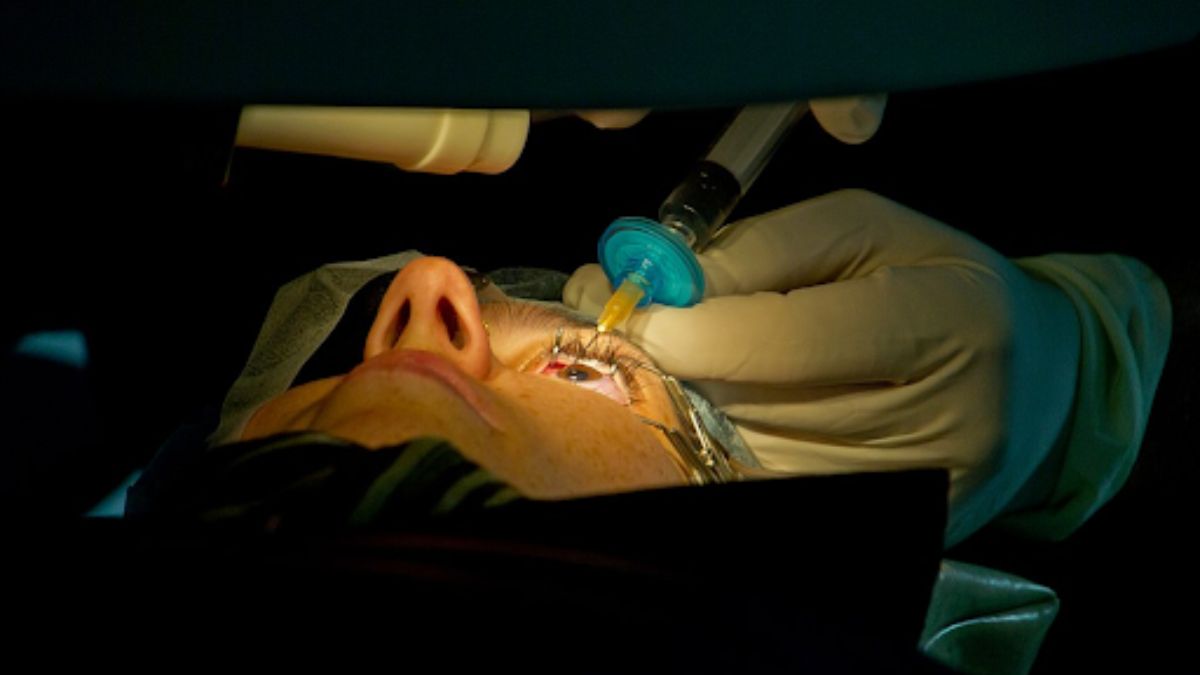
One often utilized procedure to fix visual issues is Lasik eye surgery. This procedure reshapes the cornea using a laser-based technique and by so doing, enhancing light entry into the eye. Many people have opted for Lasik so as to cut their reliance on contact lenses or glasses. Making such a decision requires a proper understanding of the procedure, risks, and recovery process.
Should you be thinking about undergoing Lasik in New York City, there are some things to consider. Many facilities provide Lasik in NYC, which makes the search for a qualified surgeon quite easy. Not everyone, however, is a suitable candidate for the operation. In this article, we’ll discuss what you need to know about this eye surgery procedure in New York City.
How Lasik is Done
Lasik is a procedure that can be completed within less than 30 minutes per eye. The surgeon lifts a small flap they created in the cornea using a laser. Before the flap is positioned back in place, another laser reshapes the cornea. Because of numbing eye drops, the entire procedure is painless.
Many times, patients report better vision 24 hours later. Full clarity won’t come about, though, until some weeks. Follow-up visits guarantee proper progress of healing. Most people get back to work in a few days.
Conditions Corrected with Lasik
This surgical procedure is used to correct nearsightedness, farsightedness, and astigmatism. While farsighted people find it difficult to focus on nearby items, nearsighted persons battle to clearly view far objects. When the cornea is unevenly formed, astigmatism results, causing blurred vision at all distances.
Not everyone suffering with these conditions qualifies for Lasik. Factors such as eye health and corneal thickness will be evaluated by your eye doctor to determine suitability. Some persons might therefore require other methods of vision correction.
Who is a Good Candidate for Lasik?
Like we stated above, not everyone is suited for Lasik. Below are some important points to note.
- The ideal candidates must have had stable vision for at least a year before surgery.
- Those having specific medical conditions or eye diseases may not be eligible.
- Those with autoimmune diseases, weak corneas, or extremely dry eyes may be more at risk.
- Women who are either pregnant or nursing should also delay the surgery.
The safety of Lasik for you will be ascertained after a thorough eye exam.
Risks and Possible Side Effects
Although Lasik is usually safe, like any surgery it has some risks.
- Some folks get halos, glare, dry eyes, or double vision. You can read this article to find out why you may be seeing halos. Usually, these symptoms go away in a few weeks or months.
- Rarely occurring complications include infections, corneal flap problems, or visual regression.
Following post-surgery care instructions can help to reduce risks. More importantly, selecting a qualified surgeon will help guarantee a favorable outcome. It’s therefore, critical that you choose your surgeon carefully.
Getting Ready for Lasik Surgery
Patients should stop wearing contact lenses a few weeks before the operation. Contact lenses can change the form of cornea, thereby influencing surgical accuracy. Guidelines dictating the kind of lenses you can wear will be prescribed by your doctor.
Arranging transportation for the day of surgery is also quite important. After the operation, vision may be foggy, making driving dangerous. Avoiding cosmetics, lotions, and perfumes on the day of surgery is also encouraged.
What to Expect During Surgery
The patient is awake during Lasik surgery. Numbing eye drops help to prevent discomfort, while a device keeps the eye open. The laser reshapes the cornea within seconds, and the flap is repositioned without stitches.
During the operation, most patients feel very minor pressure. Patients can leave the same day since the whole operation is completed quickly. You might be given a protective eye shield to prevent accidental rubbing.
Recovery and After-Surgery Care
With a quick recovery rate, most patients notice improved vision within hours. For a few days, some people may feel just a little uncomfortable; itching, or burning. The eye must not be rubbed during this healing phase.
Follow-up appointments will help ensure proper healing. Eye drop prescriptions may also be given to prevent infection and dryness. While intense exercise should be avoided for a month, most people can resume normal activities after a week.
Long-Term Effects
A lot of people have confirmed that the Lasik procedure offers permanent vision repair. Some, though, might have minor changes in vision over time while a small percentage of patients require a second procedure to get the right result.
Vision changes brought on by aging like presbyopia, might require reading glasses later on. Routine eye exams will help patients like these to monitor their long-term eye health. For most patients, Lasik greatly improves vision.
Cost of Lasik in New York City
Since it is an optional surgery, Lasik is not covered by most insurance policies. The experience of the surgeon and the technology used influences the price. Usually, the cost in New York City falls between $2,000 and $3,500 per eye.
Many clinics provide financing options to help make the operation more affordable. Some companies and insurance policies also offer discounts or flexible spending account benefits. Before scheduling surgery, one should be aware of all the expenses it entails.
Alternatives to Lasik
If you are not eligible for Lasik, there are other alternatives that may be more suitable for you. A similar operation without producing a corneal flap is PRK (Photorefractive Keratectomy). You can visit https://www.aao.org/ to learn more about Photorefractive Keratectomy. Those with thin corneas or certain eye conditions would find it a perfect option.
Refractive lens exchange or implantable contact lenses are additional options. For your situation, your eye doctor can recommend the best vision correction option. Every approach has benefits as well as possible risks.
Choosing a Lasik Surgeon in New York City
The outcome of the procedure depends largely on the ability of the surgeon. Look for a seasoned doctor who is board certified and has good patient reviews. You should also consider the technology to be used.
Many clinics evaluate your eligibility by means of free consultations. Make sure you ask about estimated recovery times, risks, and success rates. A competent surgeon will answer all questions and provide clear information.
Conclusion
For many people, Lasik eye surgery can be a life-transforming procedure. If Lasik is something you are contemplating, ensure you consult an experienced eye specialist to determine your eligibility. Correct treatment and the correct surgeon will help you to get a better quality of life and sharper vision.
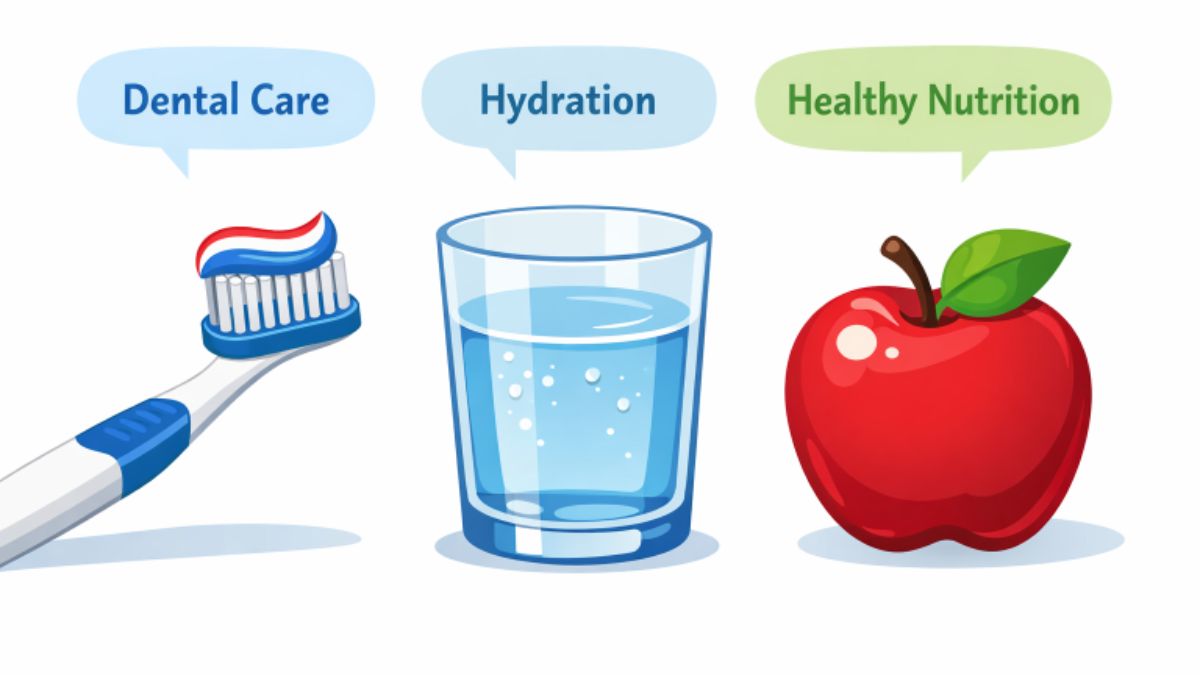
Maintaining optimal oral health is about much more than just having a beautiful smile. Good dental hygiene is vital for overall well-being, helping prevent a broad range of medical conditions. By embracing modern dental care habits, you can protect your teeth and gums and enjoy lasting oral health. If you are seeking personalized advice or professional care, visiting a trusted dentist in McLean, VA can be an excellent first step toward establishing a strong dental routine.
The right habits not only protect your teeth from decay but also reduce your risk of gum disease and systemic issues linked to poor oral hygiene. Today’s dental care is shaped by a blend of tried-and-true practices and the latest technological advancements, making it more effective than ever. Embracing a holistic approach to dental care ensures that you support both your oral and general health.
Developing a consistent daily routine, making informed nutritional choices, harnessing advanced dental tools, and staying informed about technological innovations in dentistry can empower you to keep your teeth strong and healthy throughout your life.
Daily Oral Hygiene Practices
Daily dental hygiene forms the cornerstone of lasting oral health. Brushing your teeth twice a day with fluoride toothpaste and using the correct techniques is crucial for removing plaque and preventing tooth decay. Choose a soft-bristled toothbrush and gently brush using circular motions to clean all tooth surfaces, including the back of your teeth.
Flossing is equally essential for maintaining gum health. It removes debris and plaque from between your teeth where a toothbrush cannot reach, helping prevent cavities and gum disease. Incorporate mouthwash to combat bacteria and freshen breath as a helpful addition to your oral care routine.
Balanced Diet and Hydration
Your diet has a profound effect on your oral health. Prioritize foods rich in calcium and phosphorus (like yogurt, cheese, nuts, and leafy greens), which help keep tooth enamel strong. Avoiding sugary drinks and snacks is important for preventing cavities, as sugar feeds harmful bacteria in the mouth.
Hydration is also essential. Water helps wash away food particles, neutralizes acids produced by bacteria, and stimulates saliva production, which protects against tooth decay. Replacing sugary beverages with water is a simple yet impactful way to support your dental health and overall wellness.
Regular Dental Check-Ups
Visiting your dentist at least twice a year provides several benefits. Regular check-ups allow early detection of issues such as cavities, gum disease, and even oral cancer. Professional cleanings address tartar and plaque buildup that is difficult to remove at home. Dentists can also give you personalized advice, tailored to your specific dental needs and lifestyle.
Preventive visits help you stay ahead of potential complications and ensure you receive timely treatments. According to the Centers for Disease Control and Prevention, keeping up with dental appointments is a key component of overall health maintenance.
Advanced Dental Care Tools
Modern tools can take your oral hygiene to a new level. Electric toothbrushes are generally more effective at removing plaque than manual brushes, and built-in timers encourage thorough cleaning. Water flossers offer a gentler, more thorough cleaning between teeth and along the gumline, making them especially beneficial for people with braces, dental implants, or gum sensitivity.
Additional tools, such as interdental brushes and tongue scrapers, can further enhance your daily care routine. Consider integrating these technologies for a more comprehensive, cleaner, and healthier mouth.
Avoiding Harmful Habits
Harmful dental habits can undo your hard work quickly. Avoid using your teeth to open packages or bottles, as this can cause chips or breaks. Chewing on pens, fingernails, or ice can damage enamel and may cause tooth fractures. If you suspect you grind your teeth at night, speak with your dentist about getting a custom mouthguard to protect your teeth.
Teledentistry and Digital Dentistry
Dental care is becoming more accessible due to advances in technology. Teledentistry offers remote consultations and follow-up care, saving time and making expertise available even if you cannot visit in person. Digital dentistry tools such as 3D scanning and digital X-rays enable highly accurate diagnoses and customized treatment planning, leading to better health outcomes and a more comfortable patient experience.
Sustainable Oral Care Practices
Practicing sustainability in oral care can benefit both your health and the environment. Switching to biodegradable toothbrushes and refillable paste options helps reduce plastic waste. Many dental offices are also adopting sustainable practices, such as digital record-keeping to reduce paper waste and energy-efficient equipment.
Adopting eco-friendly options may seem like a small gesture, but it can make a meaningful difference in preserving our planet’s resources while maintaining the integrity of your dental care routine. For instance, using a compostable toothbrush made from sustainable materials can significantly reduce plastic waste. Additionally, choosing sustainable toothpaste with recyclable or minimal packaging contributes to an eco-friendly oral care routine.
Final Thoughts
Modern dental care hinges on a holistic, preventive approach. By prioritizing consistent at-home routines, making mindful food choices, investing in advanced tools, avoiding destructive habits, embracing technological advances, and considering environmental responsibility, you lay the groundwork for a lifetime of oral health. Small, daily actions can yield long-lasting results, keeping your smile and your body healthy for years to come.
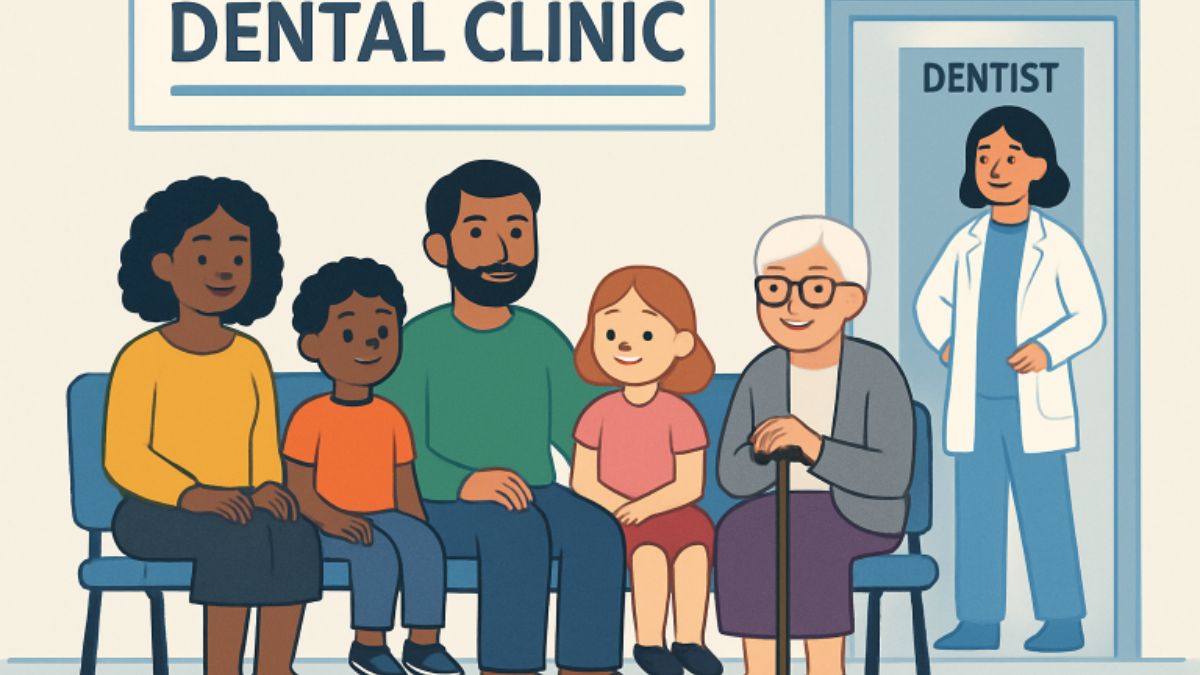
Access to affordable dental care is crucial to maintaining your family’s health and well-being. Yet, for many, the cost of dental treatment can become a barrier, making regular checkups and essential procedures difficult to fit into the household budget. Exploring practical solutions is critical for those seeking better access to oral care options. Fortunately, there are resources available, such as affordable dental plans, that can help make dental care more manageable for individuals and families who are feeling the financial pinch.
Understanding the specific challenges and the available strategies to overcome them is key to improving dental health outcomes for millions. Families across the United States often navigate tough decisions when dental expenses arise, highlighting the importance of knowing where and how to find assistance. Proactive planning and awareness of support programs can open the door to better prevention and treatment, thereby reducing long-term health risks associated with poor oral health.
This article examines the significance of oral health, outlines the financial obstacles many households face, and offers detailed information on both public and community-driven solutions. With so many Americans still unable to afford the dental care they need, it’s essential to identify the combination of private, government, and nonprofit services that are making a real impact.
Understanding the Importance of Dental Health
Dental health is much more than just a bright smile; it is intertwined with your body’s overall wellness. Regular dental visits not only help prevent tooth decay and gum disease but also aid in the early detection of more serious health conditions. Medical research has established a link between oral infections and systemic diseases such as heart disease and diabetes, underscoring the implications of neglecting oral care far beyond the mouth. Early intervention through routine cleanings and exams can prevent complex and costly treatments later.
Challenges in Accessing Affordable Dental Care
For a significant portion of the population, the high cost of dental services creates an ongoing barrier to care. According to recent findings from the CareQuest Institute for Oral Health, lower-income households spend a disproportionately higher share of their income on dental care than wealthier families, deepening disparities in oral health outcomes. Lack of insurance coverage, out-of-pocket expenses, and limited access to affordable appointments all contribute to these difficulties, particularly among vulnerable populations, including children, seniors, and people living in rural areas.
Government Initiatives to Expand Dental Care Access
Recognizing the widespread need for accessible dental care, state and local governments have introduced several initiatives to address these gaps. In Wisconsin, for example, authorities have implemented a legislative package to expand access to dental care and address professional shortages in the field. Meanwhile, New Jersey has launched public programs to deliver dental services to underserved communities, including children, older people, and veterans, ensuring that more people can receive preventive and emergency dental care regardless of income or insurance status.
Community Programs Offering Free or Low-Cost Dental Services
At the local level, numerous community programs make a difference by providing free or reduced-cost dental services to individuals and families without coverage. For instance, Louisville, Kentucky, hosts an annual Sharing Smiles Day in which dental offices offer free treatments to uninsured families. Community initiatives like the Albany County Dental Network Card Program in New York allow residents without dental insurance to save on crucial dental procedures, significantly reducing financial worry and promoting regular dental visits.
Nonprofit Organizations and Grants
Nonprofit initiatives are critical in narrowing the dental care gap experienced by underserved communities across the country. Many families face financial, geographic, or systemic barriers that prevent them from receiving consistent oral health services. A strong example is the Delta Dental Community Care Foundation’s $16.3 million grant program, which supports nonprofit organizations that expand access to quality dental care in high-need areas. Funding from programs like this enables the launch of mobile dental clinics, strengthens preventive education outreach, and fosters long-term community partnerships. By investing in sustainable solutions, these efforts bring essential dental services closer to home, improving health outcomes and overall well-being for thousands nationwide.
Legislative Efforts to Address Dental Care Disparities
At the federal level, lawmakers are advancing proposals to reduce long-standing oral health disparities nationwide. Among the most notable efforts is legislation introduced by Bernie Sanders titled the Comprehensive Dental Care Reform Act. This proposal would expand dental coverage under Medicare, Medicaid, and Veterans Affairs health programs, ensuring that seniors, low-income families, and veterans receive more complete oral health benefits. By broadening access to preventive and restorative services, the bill seeks to close critical coverage gaps. If passed, these reforms could significantly lower financial obstacles and dismantle systemic barriers that keep millions of Americans from obtaining essential dental care.
Tips for Finding Affordable Dental Care
- Check local community health centers, many of which offer sliding fee scales based on your income, making care more accessible.
- Contact dental schools in your area. Supervised students often provide care at reduced rates, allowing you to receive professional services for less cost.
- Ask dental offices about available payment plans, discounts for uninsured patients, or membership programs that can lower the cost of routine visits.
- Use national and local online resources to find free or low-cost dental care programs and emergency dental services.
Conclusion
The pursuit of affordable dental care is a challenge faced by families across the nation, but it is not insurmountable. With the variety of resources available, from government initiatives and legislative reforms to nonprofit funding and community programs, there are avenues for gaining access to quality oral healthcare. Remaining informed and proactive about exploring these options can help lighten the financial load and ensure healthier outcomes. By seeking out reputable information and taking advantage of the resources discussed, individuals and families can improve their dental health and overall well-being for the long term.
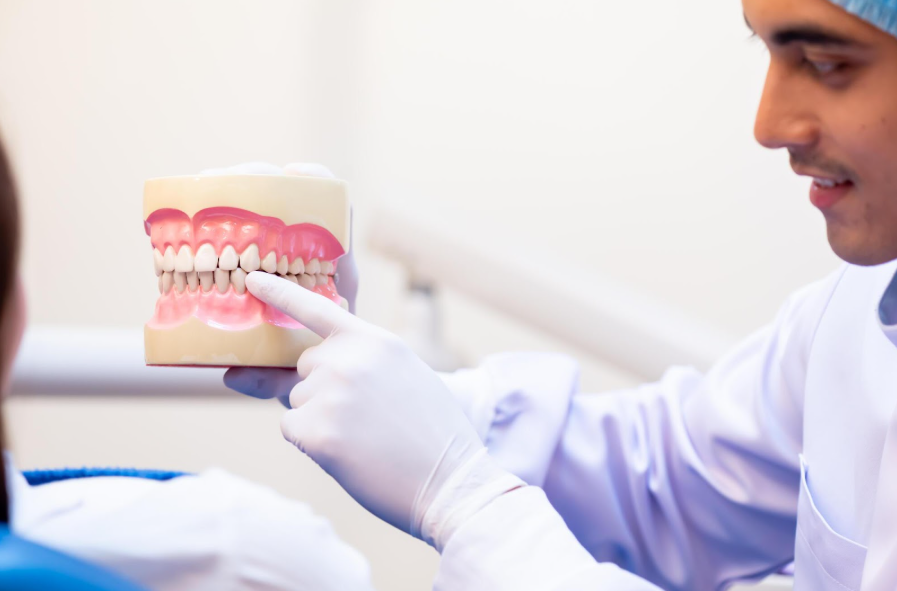
Every day, millions of people struggle with dental issues that can affect their health and confidence. The emerging field of oral restoration provides solutions to these common problems.
Permanent structural oral restoration uses advanced techniques to replace damaged or missing teeth. This process gives patients a brand new smile and better functionality. This article explores how new innovations are changing dental care. It highlights biocompatible materials and full-arch reconstruction.
The Importance of Oral Restoration
Oral restoration isn’t just about looks; it’s also about health. Without good dental support, people may have trouble chewing, speaking, or feel jaw pain.
The aim of oral restoration is to restore the mouth’s natural function while improving a person’s appearance. Recent advancements have made these restorations more durable and easier to integrate into the body.
How Does Biocompatible Integration Work?
Biocompatible integration means using materials that are safe. They don’t cause harmful reactions when placed in the body.
The materials for oral restoration, such as titanium and zirconia, are durable and work well with human tissues. These materials are often used in dental implants, which serve as artificial roots for new teeth.
Understanding Full-Arch Reconstruction
Full-arch reconstruction is a technique that replaces all the teeth in either the upper or lower jaw. This approach can be particularly beneficial for patients who have lost many or all of their teeth due to decay or injury.
Modern full-arch reconstructions use implants instead of traditional dentures. Unlike dentures that rest on the gums, implants offer a secure and permanent solution. Patients who have this type of restoration report better comfort and function.
It helps them eat and talk more easily. Dental implants also help keep the jawbone’s shape. They prevent the sunken look that can happen when teeth are missing.
Steps in the Restoration Process
The first step is visiting a dental professional who specializes in oral restoration. Here, patients can discuss their needs and create a treatment plan. Advanced imaging techniques, such as 3D scans, help the dentist understand the patient’s dental structure, ensuring accurate placement of implants.
In the next phase, the biocompatible implants are surgically placed into the jawbone. After healing, custom-made crowns or bridges are attached to the implants to complete the restoration. Regular check-ups ensure long-lasting health and function.
Modern Technology in Oral Restoration
Technology plays a vital role in the advancement of oral restoration. 3D printing, for example, allows for the creation of precise dental models that ensure individualized treatment. Additionally, digital impressions are more comfortable and quicker than traditional methods, enhancing the patient experience.
Computer-guided surgery makes implant placement more accurate and predictable. This reduces risks for patients. This level of precision leads to more successful outcomes, which is essential in the field of oral restoration.
The Role of Skilled Professionals
No matter how advanced the technology, the skills of the dental practitioner remain essential. Skilled professionals are crucial for ensuring that the restoration process is effective and successful. Dentists who have specialized training in oral restoration are up-to-date with the latest techniques and materials.
For instance, Dr. Baker at Impressions Dental is an example of a skilled practitioner who utilizes advanced methods for oral restoration. His expertise ensures that patients receive the best care possible.
Embracing Change for Better Health
The advancements in the engineering of oral restoration are transforming the way we think about dental care. Modern dentistry is tackling long-standing issues with biocompatible materials and full-arch reconstruction. This approach helps people regain confidence and improve their quality of life.
For more helpful tips, check out the rest of our site today.
-

 TOPIC1 year ago
Why Large Waterproof Outdoor Rugs Are Essential for All Outdoor Spaces
-

 TOPIC1 year ago
7 Expert Tips For Choosing The Best Basement Renovation Companies
-

 FASHION1 year ago
How to Layer Your White Dress for Cold Weather?
-

 TOPIC9 months ago
Why Greece Katz Martian Has Everyone Talking in 2025
-

 BUSINESS10 months ago
Top 5 Features of Sowix Online That Every User Should Know About
-

 TOPIC10 months ago
Top Features of BetterThisWorld .com You Need to Know About
-

 FINANCE1 year ago
How TraceLoans Can Simplify Your Finances
-

 BIOGRAPHY1 year ago
From Reality Star to Business Mogul: Prince Narula Digital PayPal