
TOPIC
What You Should Know Before Signing a Lease in Florida

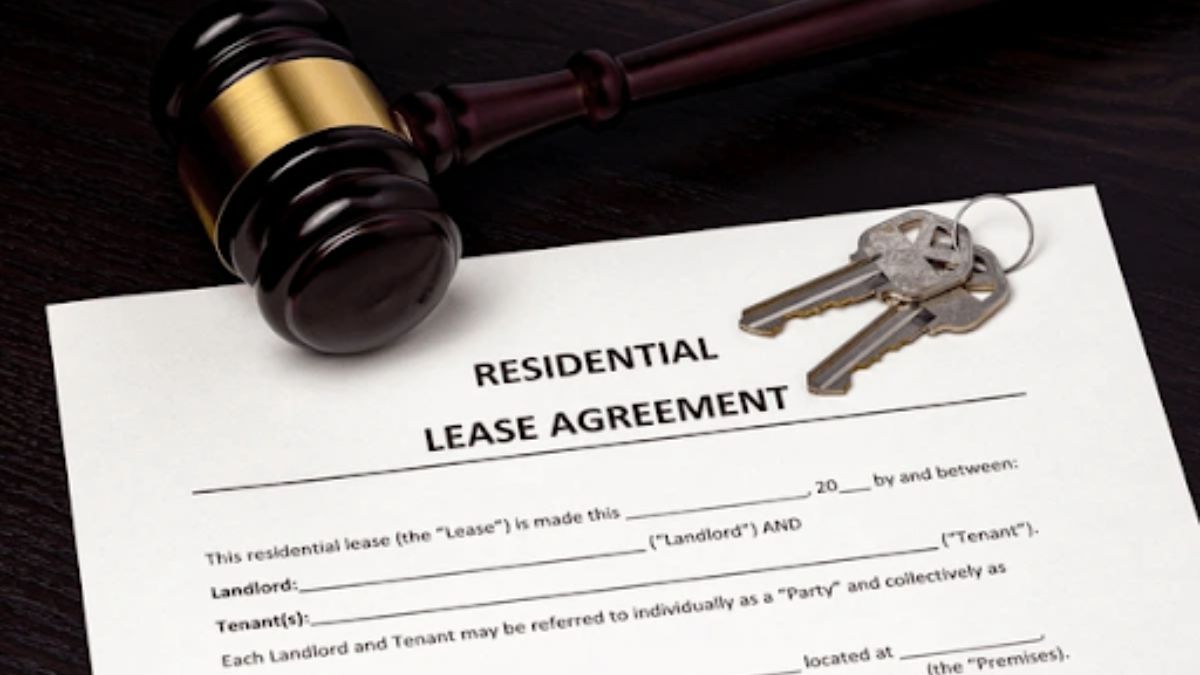
Navigating the rental landscape in Florida requires a clear understanding of lease agreements, whether you’re a new or experienced tenant. Knowing the details of your lease can significantly impact your rental experience, from move-in to lease termination. A lease is a legal contract that outlines the terms of your rental, and understanding its contents can help you avoid potential issues, such as eviction or penalties.
What Is a Lease Agreement?
A lease agreement is a legally binding contract between a landlord and tenant in Florida. It specifies the terms and conditions of renting a property, including responsibilities for both parties, such as the rent amount, lease duration, security deposit, and maintenance obligations.
Before signing, it’s crucial for tenants to thoroughly review the lease to understand their rights and responsibilities, as well as any potential penalties or legal implications associated with the rental.
Important Considerations Before Signing a Lease
Before committing to a lease, tenants should evaluate several important factors that will affect their living situation, financial obligations, and the terms of the lease.
This evaluation should include:
- Rent amount and security deposit requirements
- Notice periods for lease termination or renewal
- Any fees or penalties associated with the lease
- Procedures for ending or renewing the lease
Understanding these key elements ensures you are fully aware of your rights and obligations before signing.
Rent and Security Deposit
The rent and security deposit are crucial financial components of any lease agreement. The security deposit, typically equivalent to one month’s rent, covers potential damages or unpaid rent. Understanding the legal limits on these charges in Florida is essential to avoid unexpected issues.
In Florida:
- The security deposit is usually capped at one or two months’ rent.
- Landlords must deposit the security funds in a separate trust account and notify tenants of the account details within 30 days.
- The deposit must be returned within 15 days of lease termination, unless justified deductions are made for damages.
Being aware of these regulations helps tenants avoid penalties and ensure a smoother rental process.
Lease Term and Renewal Options
The lease term defines the length of time the rental agreement is valid. Leases can be fixed-term (e.g., one year) or month-to-month, offering different benefits depending on your needs.
For tenants:
- Month-to-month leases offer flexibility but may come with higher rent upon renewal.
- Fixed-term leases provide more stability for both parties.
Make sure you understand the lease duration and renewal process to ensure a stable living situation and avoid penalties for breaking the lease.
Utilities and Maintenance Responsibilities
Understanding who is responsible for utilities and property maintenance is essential for avoiding misunderstandings.
- Landlords are typically responsible for maintaining the property and complying with housing codes.
- Tenants are usually responsible for paying utilities and keeping the property in good condition.
Clearly defined responsibilities in the lease agreement help avoid disputes and ensure that both parties fulfill their obligations. Tenants should also report maintenance issues promptly to avoid further complications.
Pet Policies
Pet policies can vary significantly between landlords. Some may allow pets with additional fees or deposits, while others may prohibit them entirely. It’s essential to review the pet policy before signing the lease to avoid penalties or potential eviction.
Key considerations include:
- Pet deposits and monthly fees
- Breed and size restrictions
- Specific conditions for keeping pets
Clarifying these details with the landlord helps ensure compliance with the lease terms.
Subletting and Roommate Policies
Many leases require landlord approval before a tenant can sublet or add a roommate. Failing to follow these terms can lead to eviction or legal complications. Understanding these policies helps tenants navigate living arrangements and maintain good relations with their landlord.
When considering subletting or adding a roommate, tenants should:
- Review the lease for clauses related to subletting and roommates.
- Communicate with the landlord and document all agreements.
- Be aware of any additional fees for new residents.
Parking and Guest Policies
Parking and guest policies are typically outlined in the lease to avoid confusion. These policies can include designated parking areas, fees, and rules regarding guest stays.
Ensure you’re aware of:
- Designated parking spaces and related fees
- Guest stay limitations
Clear communication with your landlord about these policies can prevent misunderstandings and potential charges.
Noise and Nuisance Policies
Noise policies are often included in lease agreements to ensure a peaceful living environment. Most leases specify quiet hours and restrictions on loud activities.
Typical rules include:
- Quiet hours, usually from 10 PM to 7 AM
- Restrictions on loud music or late-night gatherings
Familiarity with these policies helps maintain good relationships with neighbors and avoid disputes.
Early Termination and Lease Break Clauses
If you need to break your lease early, it’s important to understand the terms for early termination. These clauses typically outline the notice period, possible penalties, and any documentation required, such as job relocation letters or medical records.
Common scenarios for early termination include:
- Job relocation
- Medical emergencies
- Family changes
Review the lease’s early termination clause carefully to avoid unnecessary penalties and ensure compliance.
Insurance Requirements
Many leases require tenants to obtain renters insurance to protect their personal property and provide liability coverage. Renters insurance safeguards against theft, fire, and accidents on the property.
Tenants should:
- Understand the insurance requirements outlined in the lease.
- Maintain active renters insurance throughout the lease term.
Failing to comply with these requirements can lead to financial loss or eviction.
Understanding Your Rights and Responsibilities as a Tenant
In Florida, tenants have specific rights, including the right to a habitable living space, privacy, and protection from unlawful eviction. It’s essential for tenants to understand their rights under Florida’s landlord-tenant laws to ensure a smooth rental experience.
Key rights include:
- The right to privacy, with proper notice before the landlord enters the property.
- The right to a habitable living environment, including safe plumbing, electricity, and heating.
- The right to request repairs and withhold rent if necessary.
Familiarizing yourself with these rights helps protect you from unfair treatment and ensures a positive rental experience.
Conclusion: Finding the Right Lease Agreement for You
Choosing the right lease is crucial for ensuring a smooth living experience. By thoroughly reviewing lease terms, understanding your rights and responsibilities, and complying with local laws, tenants can avoid common pitfalls and foster a positive relationship with their landlord.
Whether you’re signing a new lease or renewing an existing one, being informed about key elements like maintenance responsibilities, renewal terms, and insurance requirements ensures that you’re making the best decision for your living situation. Consulting with a real estate agent or legal professional can also provide valuable insights and help secure favorable lease terms.


Choosing an office chair is no longer simply about finding something with a comfortable cushion and adjustable height. Modern work styles are more varied than ever. Some professionals spend hours in focused typing sessions, others move between meetings, creative work, research, and relaxation, while remote workers may use the same chair for both work and downtime.
That is why features such as a footrest, breathable mesh, and adaptive lumbar support have become important considerations. But which one matters most for your particular routine?
With its range of ergonomic seating solutions, HBADA approaches the question from a work-style perspective. Instead of treating every user the same, the brand offers chairs designed around different combinations of posture support, adjustability, ventilation, and relaxation.
When a Footrest Fits Your Work Style
If your workday includes periods of reclining, reading, brainstorming, watching presentations, or simply taking short recovery breaks, a footrest can add another dimension to your chair.
An office chair with a footrest allows you to transition more easily from an upright working position to a relaxed posture. This can be particularly useful for home-office professionals who want their workspace to support more than conventional desk work.
HBADA’s E3 lineup includes options with footrests, giving users the flexibility to move between focused work and relaxation without leaving the chair. The HBADA E3 series also emphasizes adjustable support and breathable materials, making it suitable for people who want an ergonomic chair that can adapt to multiple daily activities.
A footrest does not replace proper desk ergonomics, however. Your monitor height, keyboard position, seat height, and overall posture still matter. Think of the footrest as an additional comfort feature—especially valuable when your chair doubles as a place to decompress after demanding work sessions.
When Mesh Is the Better Choice
For people who tend to get warm while sitting, spend long hours at their desks, or prefer a lighter seating feel, mesh can be a compelling choice.
Breathability is one of the biggest advantages of mesh construction. Instead of surrounding the body with a dense upholstered surface, a breathable mesh design allows greater airflow and can help reduce the feeling of heat building up during extended sessions.
HBADA incorporates high-density and performance mesh into several of its ergonomic chairs. Its E3 range, for example, uses CloudMesh technology designed to provide responsive support while maintaining airflow. HBADA also highlights breathable mesh as a useful option for long working hours and warmer environments.
Mesh is particularly well suited to programmers, analysts, writers, customer-service professionals, and anyone whose work involves staying at a desk for extended periods. If your priority is a cooler, breathable sitting experience rather than maximum technology, a mesh-focused HBADA chair may be the more natural fit.
When Smart Lumbar Support Makes Sense
For professionals who constantly shift positions throughout the day, fixed lumbar support may not always be enough. You might sit upright while writing, lean back during a video meeting, move forward while concentrating, and recline during a break.
This is where smart lumbar technology becomes particularly interesting.
The HBADA X7 Smart Ergonomic Chair is designed around AI-powered lumbar tracking. According to HBADA, its system detects changes in your position and dynamically adjusts lumbar support rather than relying entirely on manual repositioning. The X7 also offers multiple adjustment levels, along with features such as a 4D dual-axis headrest, 720° armrest system, reclining positions, and massage and heating functions.
This makes the X7 particularly suited to people whose workdays are long, varied, and movement-heavy. Developers, designers, executives, digital marketers, remote professionals, and serious gamers may appreciate having a chair that is designed to respond as their posture changes.
The X7 can also recline through several positions, including dedicated upright work and deeper relaxation modes. That flexibility makes it more than a conventional desk chair: it is designed to accommodate different phases of the day.
Think About Your Entire Workday
The best office chair is not necessarily the one with the longest feature list. It is the one whose features match how you actually work.
If your day involves frequent relaxation periods, an HBADA chair with a footrest could be the most practical choice. If heat and airflow are your biggest concerns, prioritize a breathable mesh design. If you spend eight or more hours switching between tasks and postures, smart lumbar support may offer the greatest long-term convenience.
HBADA’s current chair range reflects these different priorities, from accessible ergonomic models to advanced X7 smart seating. Its lineup includes chairs with adjustable seat depth, different recline configurations, mesh materials, footrest options, and increasingly sophisticated lumbar-support systems.
The Right Chair Should Follow Your Routine
Ultimately, choosing an office chair is a personal decision. A writer who rarely reclines may value breathable mesh and precise adjustments more than a footrest. A remote worker who uses one chair for work and entertainment may prioritize reclining and leg support. Meanwhile, someone who spends most of the day moving between applications, meetings, and focused projects may benefit from adaptive lumbar technology.
That is where HBADA stands out: its ergonomic-chair range gives different types of users a way to match their seating setup to their daily habits.
For a simple comfort upgrade, start by considering whether you need better airflow or leg support. For a more technology-driven experience, consider adaptive lumbar support. And if your chair needs to function as both a professional workstation and a relaxation space, look for a combination of adjustability, reclining, and foot support.
The right chair should not force you into one way of working. Ideally, it should adapt to the way you work, move, focus, and recover throughout the day.

Your roof is one of the most important parts of your home or commercial building. It protects your property from harsh weather, improves energy efficiency, and adds to the overall value of your investment. If you’re looking for a reliable roofing contractor in Georgia, ClassicRoofing.com is a trusted name that has been serving homeowners and businesses for decades.
About ClassicRoofing.com
ClassicRoofing.com is the official website of Classic Roofing & Gutters, a family-owned roofing company based in Marietta, Georgia. Established in 1993, the company has built a strong reputation by providing high-quality roofing solutions backed by honest customer service and professional workmanship. The company is licensed, insured, and serves residential as well as commercial clients throughout the Metro Atlanta area.
Services Offered
Classic Roofing & Gutters provides a complete range of roofing and exterior services, including:
Residential Roofing
Whether you need a new roof installation or a roof replacement, the company offers durable roofing systems designed to withstand Georgia’s changing weather conditions.
Commercial Roofing
Businesses can benefit from customized commercial roofing solutions that focus on long-term durability, energy efficiency, and minimal disruption during installation.
Roof Repairs
Storm damage, leaks, missing shingles, and aging roofs require timely repairs. Classic Roofing & Gutters provides professional repair services to help extend the lifespan of existing roofs.
Roof Maintenance
Regular inspections and preventative maintenance help identify minor issues before they become expensive repairs, saving property owners money over time.
Gutter Installation and Repair
Properly functioning gutters are essential for directing rainwater away from your home’s foundation. The company installs, repairs, and replaces gutter systems to protect your property from water damage.
Why Homeowners Choose Classic Roofing & Gutters
Several factors make Classic Roofing & Gutters a preferred roofing contractor in Georgia:
- More than 30 years of roofing experience
- Family-owned and locally operated
- Licensed and insured professionals
- Residential and commercial expertise
- High-quality roofing materials
- Detailed inspections and transparent estimates
- Strong focus on customer satisfaction
- A+ Better Business Bureau rating mentioned on the company’s website
Commitment to Quality
Classic Roofing & Gutters emphasizes building long-term relationships rather than simply completing roofing projects. Every installation follows a structured process that includes careful preparation, quality materials, professional installation, and thorough final inspections. Their goal is to deliver roofing systems that perform reliably for many years.
Customer Reviews
Customer feedback highlights the company’s professionalism, communication, and workmanship. Many homeowners praise the team for completing projects on schedule, maintaining clean job sites, and providing honest recommendations. Recent review platforms show consistently high customer satisfaction ratings.
Areas Served
Classic Roofing & Gutters serves Marietta and many surrounding communities throughout Metro Atlanta, making it a convenient choice for homeowners and businesses across the region.
Benefits of Hiring a Professional Roofing Contractor
Working with an experienced roofing company offers several advantages:
- Accurate roof inspections
- High-quality installation
- Manufacturer-recommended installation practices
- Improved roof lifespan
- Better protection against leaks
- Increased property value
- Professional warranty support
When Should You Replace Your Roof?
Some common signs that indicate it may be time for a roof replacement include:
- Missing or damaged shingles
- Frequent roof leaks
- Sagging roof sections
- Granules collecting in gutters
- Water stains on ceilings
- Roof age exceeding 20–30 years (depending on the material)
Scheduling a professional inspection can help determine whether repairs or a full replacement is the better option.
Final Thoughts
ClassicRoofing.com represents a roofing company that has earned a solid reputation through decades of quality workmanship, dependable customer service, and comprehensive roofing solutions. Whether you need roof repairs, a complete replacement, gutter installation, or preventative maintenance, Classic Roofing & Gutters offers professional services designed to protect your home or business for years to come. Their experience, attention to detail, and commitment to customer satisfaction make them a trusted roofing contractor for property owners throughout the Metro Atlanta area.
Frequently Asked Questions
Is ClassicRoofing.com a residential roofing company?
Yes. The company specializes in residential roofing services, including new roof installation, roof replacement, repairs, maintenance, and gutter services.
Does Classic Roofing also work on commercial buildings?
Yes. They provide commercial roofing solutions for businesses throughout the Metro Atlanta area.
How long has Classic Roofing & Gutters been in business?
The company has been serving customers since 1993, giving it more than three decades of roofing experience.
Does the company offer roof inspections?
Yes. Roof inspections and preventative maintenance are among the services offered to help homeowners identify roofing problems early.
Where is Classic Roofing & Gutters located?
The company is headquartered in Marietta, Georgia, and serves surrounding Metro Atlanta communities.
The Right Home Starts With The Right Area
A bright kitchen, polished floors, and thoughtful staging can make it easy to picture yourself in a home. But the property is only part of the purchase. Your street, commute, local services, noise levels, parking options, and nearby changes will affect your life long after the initial excitement of a showing fades.
For buyers considering the east end, Toronto CA real estate experts DeClute Real Estate can offer useful street-level perspective. Declute Real Estate is a family-led East Toronto real estate group with four generations of local experience, serving communities including The Beaches, Birch Cliff, The Bluffs, and surrounding areas. Their website focuses on helping buyers and sellers understand local homes, neighborhood lifestyles, and current market conditions. That type of local knowledge can be especially valuable when two nearby streets offer very different daily experiences.
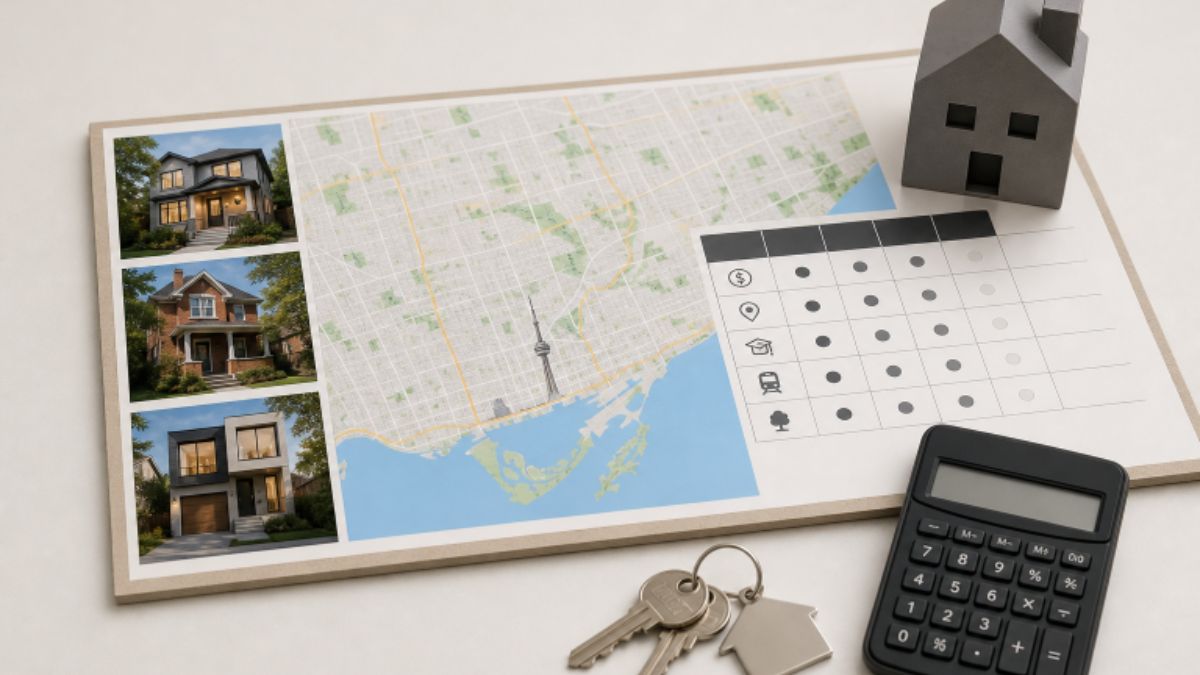
Toronto is not one uniform market. A condo near rapid transit, a semi-detached home on a quiet residential street, and a detached property farther from the core can carry similar asking prices while offering very different long-term value. Start by comparing neighborhoods, then compare homes within the areas that truly fit your needs.
Start With A Clear Buyer Profile
Before opening listing alerts, write down what you need from a location. Be specific about your routine, not just your wish list. Consider the following questions:
- How long can your weekday commute realistically take?
- Do you value transit access more than private parking?
- Do you need a condo, townhome, semi-detached, or detached home?
- Will you need schools, childcare, parks, medical care, or senior services nearby?
- Are you likely to stay for three years, ten years, or longer?
- Would a smaller home in a more convenient location improve your everyday life?
Build A Neighborhood Scorecard
Use the same criteria for every area. A simple scorecard prevents one attractive listing from controlling the entire decision. Rate each category from one to five, then note the reason behind every score.
- Monthly cost: Mortgage payment, taxes, utilities, insurance, condo fees, and expected maintenance.
- Commute: Door-to-door travel time by transit, car, bike, and foot.
- Daily convenience: Groceries, pharmacies, restaurants, recreation, and essential services.
- Housing fit: The availability of property types and sizes that work for your household.
- Street feel: Traffic, sidewalks, lighting, tree cover, activity, and noise.
- Future fit: Whether the area could still suit you if work, family needs, or finances change.
Compare Total Cost, Not Just The Listing Price
A lower price does not always create a lower monthly cost. Older homes may need roofing, electrical, plumbing, insulation, foundation, or drainage work. Condos can reduce exterior maintenance, but fees, building rules, reserve fund health, planned repairs, and the possibility of special assessments deserve close review.
Include property taxes, parking, transit, heating, insurance, storage, repairs, and closing costs in your estimate. The CMHC homebuying guide and checklist are useful resources for organizing affordability questions, financial preparation, offer steps, and closing tasks.
Test The Commute At Real Times
A neighborhood that feels easy to reach on a Saturday afternoon may be frustrating during a weekday rush. Test your finalists on a weekday morning, late afternoon, weekend daytime, and, if possible, during winter weather. Measure the whole trip, including the walk to transit, wait and transfer times, parking, and the distance from your final stop to the office, school, or regular destination.
Use Public Data, Then Add Local Context
Online research is a strong starting point, but it should never replace several in-person visits. The City of Toronto’s Neighborhood Profiles can help buyers compare broad information about the city’s 158 neighborhoods, including demographic and household patterns. Use it alongside transit maps, school information, park locations, and your own observations.
Data can reveal useful patterns, but it cannot tell you whether a particular block feels too busy, whether a nearby train is disruptive at night, or whether you will enjoy the walk to the nearest store. Visit at different times and pay attention to what daily life would actually require.
Look Beyond Today’s Streetscape
Before writing an offer, check for development applications, zoning changes, road work, transit construction, and planned changes to schools, parks, commercial areas, or community facilities. New development can bring homes, services, and improvements. It can also change views, traffic, parking availability, construction noise, and the quieter character of a street.
Compare Housing Types Within Each Area
- Condos: Often lower exterior upkeep, but monthly fees and building finances matter.
- Townhomes: Usually provide more room, though shared elements and maintenance responsibilities vary.
- Semi-detached homes: Can balance space and cost, but shared-wall sound and repair considerations apply.
- Detached homes: Offer more privacy and land, but may carry higher prices and greater repair exposure.
Visit The Area Like A Resident
Walk the block in daylight and return after dark. Try the nearest grocery store, stand at the transit stop, look for street parking, and listen for traffic, rail, aircraft, or commercial noise. Notice sidewalk conditions, lighting, tree cover, and whether the route would still feel manageable in rain, snow, or extreme heat.
A larger home farther from transit can look like the better bargain until the daily commute begins to affect work, childcare, errands, and personal time. The best choice is rarely the biggest home or the trendiest postal code. It is the one that works consistently with your real routine.
Ask Better Questions At A Showing
- How long has the property been listed, and have there been price changes?
- What are the typical taxes, utilities, fees, parking, and storage arrangements?
- Are there known repairs, insurance concerns, or recent renovations to investigate?
- Are development applications or major construction projects planned nearby?
- How does the home compare with recent sales of similar properties in the same area?
Common Mistakes To Avoid
- Choosing the cheapest home without estimating the full ownership costs.
- Assuming a popular neighborhood fits every lifestyle.
- Relying on listing photos or a one-weekend visit.
- Ignoring future development and construction activity.
- Comparing average prices without separating condos, townhomes, and houses.
- Skipping an inspection because a property appears newly renovated.
A Simple Seven-Day Research Plan
- Day One: Set a realistic budget and list non-negotiables.
- Day Two: Choose three to five possible neighborhoods.
- Day Three: Compare commutes and daily services.
- Day Four: Review housing types, public data, and future planning.
- Day Five: Visit each area during a busy weekday period.
- Day Six: Tour properties and record costs, concerns, and advantages.
- Day Seven: Score each area and remove options that fail key requirements.
Frequently Asked Questions
How Many Toronto Neighborhoods Should A Buyer Compare?
Start with three to five. A much longer list can create confusion without producing better comparisons.
Should Commute Time Or Home Size Come First?
It depends on your routine. A smaller home near work, transit, or family support may provide more practical value than a larger home that adds hours to your week.
When Should A Buyer Speak With A Local Professional?
Bring in local guidance once you have a realistic budget and a short list. A knowledgeable professional can help interpret recent comparable sales, property history, street-level differences, and neighborhood-specific concerns.
Final Checklist Before Writing An Offer
- The home fits your approved budget and estimated carrying costs.
- You tested the commute at realistic times.
- The neighborhood works today and offers reasonable future flexibility.
- You reviewed taxes, fees, utilities, insurance, repairs, and closing costs.
- You checked nearby planning and construction activity.
- You compared the property with similar homes in the same area.
Let The Area Prove Its Value
The right Toronto neighborhood is personal. A strong decision balances cost, convenience, comfort, housing fit, and future flexibility. By using a consistent scorecard, researching reliable sources, visiting at real-life times, and asking practical questions, you can evaluate the overall lifestyle associated with a home before making a major commitment.
-

 TOPIC1 year ago
Top 5 Features of Googlediqiu You Didn’t Know About
-

 TOPIC2 years ago
Why Large Waterproof Outdoor Rugs Are Essential for All Outdoor Spaces
-

 TOPIC2 years ago
7 Expert Tips For Choosing The Best Basement Renovation Companies
-

 FASHION2 years ago
How to Layer Your White Dress for Cold Weather?
-

 TOPIC1 year ago
Why Greece Katz Martian Has Everyone Talking in 2025
-

 BUSINESS1 year ago
Top 5 Features of Sowix Online That Every User Should Know About
-

 TOPIC1 year ago
Top Features of BetterThisWorld .com You Need to Know About
-

 FINANCE1 year ago
How TraceLoans Can Simplify Your Finances