
HEALTH
Why Participating in Clinical Trials Matters: Valuable Opportunities for Volunteers and Science

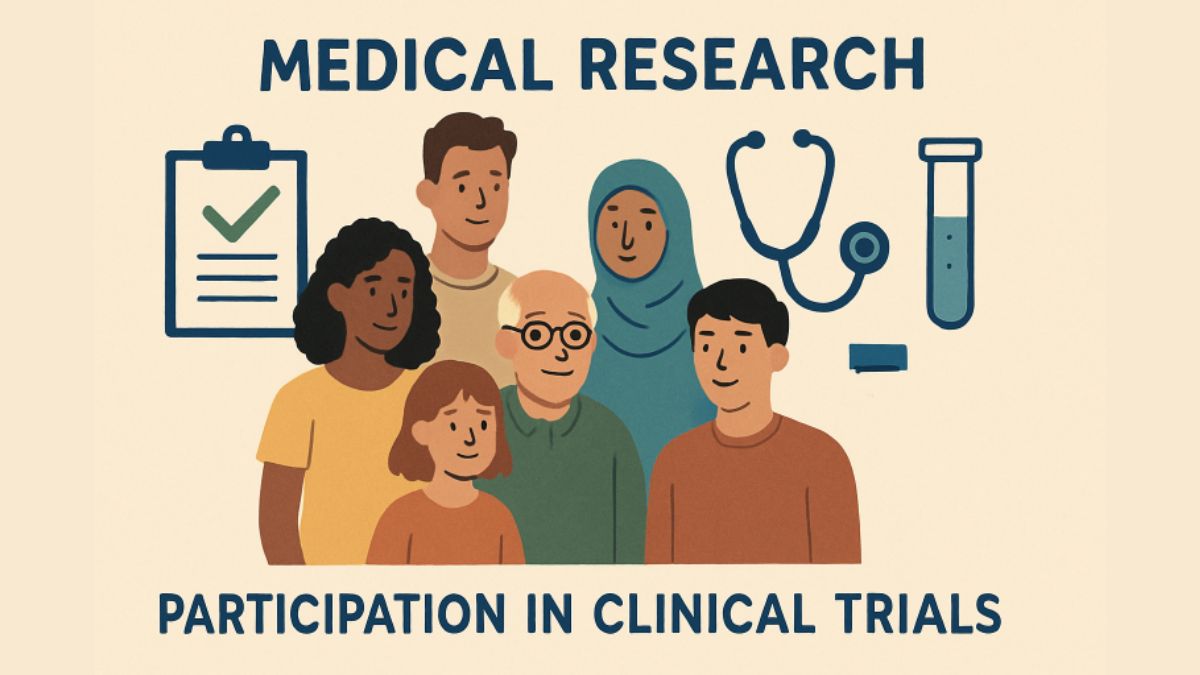
What Are Clinical Trials?
Clinical trials are research studies involving people that are designed to investigate the safety and effectiveness of new medical treatments, procedures, or devices. These studies are the backbone of medical advancements, ensuring that both common and rare health conditions benefit from scientific progress. Participating in NIH Clinical Research Trials and You offers a meaningful way for volunteers to directly impact the future of healthcare by helping develop breakthrough therapies and furthering scientific understanding.
Clinical trials are meticulously structured at their core, with each phase aiming to answer specific questions about how a new intervention performs in real-world scenarios. For patients and healthy volunteers, joining a clinical trial—such as through Vertex clinical trial participation—creates an opportunity to receive high-level medical care and become part of a tightly regulated process that shapes tomorrow’s standards of care.
Why Volunteer for Clinical Trials?
Participating in a clinical trial is often motivated by a desire to make a difference. Many individuals are drawn by the chance to contribute to discoveries that could benefit not just themselves, but millions of others in the future. For those with particular health conditions, trials may offer access to promising therapies before they are widely available. Additionally, clinical trial participants usually receive close health monitoring, which can provide useful insights into their well-being.
The sense of purpose that comes with helping advance medicine is powerful—and for many, so is the knowledge that their contribution could shape future treatments for diseases that have a personal impact. To learn more about the pathways of clinical research and opportunities, resources such as the NIH’s Clinical Research Trials and You page offer a comprehensive look.
Types of Clinical Trials and What They Study
Clinical trials aren’t limited to testing new drugs. They can focus on various questions, including how to prevent illness, detect diseases earlier, or improve the quality of life for those living with chronic conditions. Most clinical trials fall into the following categories:
- Treatment trials test new drugs, combinations, or medical approaches.
- Prevention trials investigate strategies for reducing the risk of developing illnesses.
- Diagnostic trials explore new methods for finding health issues sooner or more accurately.
- Observational trials study participants in their standard settings to spot patterns that could inform care.
The importance of diversity—across age, gender, ethnicity, and health status—can not be overstated. Diverse participation ensures study results are applicable to real-world populations, a point clearly highlighted by recent analyses from leading sources like the National Cancer Institute’s clinical trials resource.
Safety and Ethics in Clinical Research
Protecting participants is the cornerstone of every high-quality clinical trial. Research ethics committees—sometimes called Institutional Review Boards (IRBs)—thoroughly review trial protocols before studies begin. Their mission is to ensure that risks have been minimized, potential benefits considered, and participant rights upheld. Throughout the study, medical experts closely monitor participant health, and study teams are required to report any adverse events immediately.
Informed consent is a vital part of the process, empowering volunteers with the knowledge they need to make thoughtful decisions about participation. Participants are also free to leave a study at any time without penalty to their continuing medical care.
How to Get Involved in a Clinical Trial
If you’re considering joining a clinical trial, the first step is identifying studies that fit your health history and interests. This might involve searching public registries, consulting with your healthcare provider, or contacting organizations conducting relevant research. Once a match is found, you’ll undergo an eligibility screening process, allowing the research team to gauge your suitability for the study.
Before enrolling, it is essential to review all available information and ask questions about the study’s purpose, time commitment, compensation, and possible risks. Your informed consent is required, and you’re encouraged to maintain an open channel with the study team throughout your participation.
Common Questions from Volunteers
- What are the risks and benefits of participating?
- What is a placebo and how might it affect my experience?
- Can I withdraw from the study whenever I choose?
- Will my personal health data be kept confidential and secure?
- How does participating intersect with my current healthcare treatments?
These questions are natural and encouraged. Your research team is committed to transparency and will provide honest, thorough answers before you consent. For additional peace of mind, reputable medical institutions like the Mayo Clinic offer extensive guidance for prospective volunteers.
The Role of Clinical Trials in Advancing Medicine
Nearly every effective medication or medical device used today originated from careful clinical research. Clinical trials provide the evidence that regulatory agencies require to ensure that new treatments are safe and beneficial. During global health crises such as the COVID-19 pandemic, clinical trial collaborations between communities, healthcare workers, and scientists enabled historic advances in record time.
The advancement of medicine depends on continued clinical trial volunteerism. Without participants, prevention, diagnosis, and treatment breakthroughs would slow dramatically, impacting future generations.
Real-Life Perspectives on Participating
Volunteers come from all backgrounds and walks of life. Some are motivated by battles with chronic illness; others by the desire to leave a lasting impact on the world. Personal stories from clinical trial participants often highlight improved health awareness, the fulfillment of giving back, and, in some cases, life-changing results from innovative therapies.
The willingness to participate in a clinical trial represents generosity, curiosity, and a commitment to collective progress. Each story has the potential to inspire new volunteers and remind us all that science’s most significant achievements begin with individual choices.
Conclusion
Clinical trials bridge medical innovation and patient care, ensuring discoveries move from the laboratory to real-world treatment safely and effectively. By volunteering, individuals gain access to potential new therapies and contribute to breakthroughs that will shape the future of medicine. From rigorous safety oversight to opportunities for personalized care, clinical trials embody scientific progress and human generosity. Whether motivated by personal health needs or the desire to help others, participants drive the research that makes tomorrow’s cures possible. The future of healthcare relies on these collaborative efforts, and every contribution—big or small—moves science forward.
Introduction
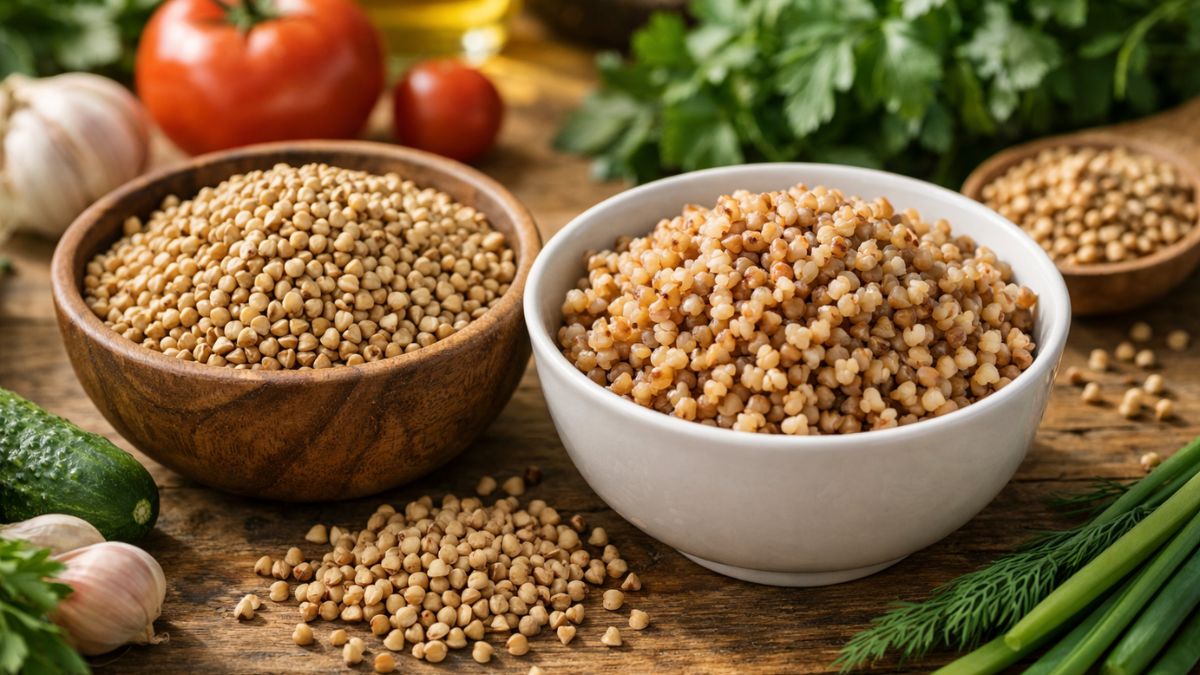
If you’re searching for a nutritious, gluten-free grain alternative, обикновена елда (common buckwheat) deserves your attention. Despite its name, buckwheat isn’t actually wheat—it’s a seed packed with nutrients, fiber, and plant-based protein. Even better, it’s incredibly versatile in the kitchen.
In recent years, buckwheat has gained popularity among health-conscious eaters, and for good reason. It supports heart health, helps manage blood sugar, and fits perfectly into a balanced diet. Let’s explore why this humble ingredient is making a powerful comeback.
What Is Обикновена Елда?
Обикновена елда, also known as common buckwheat, is a pseudocereal. That means it behaves like a grain in cooking but is technically a seed. It has been cultivated for centuries across Europe and Asia.
Key Characteristics
- Naturally gluten-free
- Rich in antioxidants
- High in fiber
- Quick and easy to cook
Unlike refined grains, buckwheat retains its natural nutrients, making it a wholesome choice for everyday meals.
Nutritional Value of Buckwheat
Understanding the nutritional profile of обикновена елда helps explain why it’s so beneficial.
Buckwheat Nutrition per 100g (Cooked)
| Nutrient | Amount | Benefit |
|---|---|---|
| Calories | 92 kcal | Low-energy density |
| Protein | 3.4 g | Supports muscle repair |
| Fiber | 2.7 g | Aids digestion |
| Carbohydrates | 20 g | Provides steady energy |
| Magnesium | 51 mg | Supports heart and muscle health |
| Iron | 0.8 mg | Helps oxygen transport |
As you can see, buckwheat offers a balanced combination of macronutrients and essential minerals.
Justin Qualley: Career, Personal Life, and What Makes Him Stand Out
Health Benefits of Обикновена Елда
1. Supports Heart Health
Buckwheat contains rutin, a powerful antioxidant that helps strengthen blood vessels and reduce inflammation. As a result, it may lower the risk of heart disease.
2. Helps Control Blood Sugar
Unlike refined grains, buckwheat has a low glycemic index. This means it releases sugar slowly into the bloodstream, helping prevent spikes.
3. Promotes Digestive Health
Thanks to its fiber content, buckwheat supports a healthy gut and regular digestion.
4. Rich in Plant-Based Protein
For vegetarians and vegans, buckwheat is a valuable protein source. It contains all essential amino acids, which is rare for plant foods.
How to Cook and Use Buckwheat
Cooking обикновена елда is simple and quick, making it ideal for busy lifestyles.
Basic Cooking Method
- Rinse the buckwheat thoroughly
- Add 2 cups of water per 1 cup of buckwheat
- Bring to a boil
- Simmer for 10–15 minutes
- Let it rest before serving
Popular Ways to Use Buckwheat
- Breakfast porridge
- Salads and grain bowls
- Side dishes instead of rice
- Soups and stews
- Gluten-free baking
Buckwheat vs Other Grains
Many people wonder how buckwheat compares to other popular grains.
Comparison Table
| Feature | Buckwheat | Rice | Quinoa |
|---|---|---|---|
| Gluten-Free | Yes | Yes | Yes |
| Protein Content | Medium | Low | High |
| Fiber | High | Low | Medium |
| Cooking Time | 15 minutes | 20 minutes | 15 minutes |
| Nutrient Density | High | Medium | High |
Buckwheat stands out for its fiber content and overall nutrient balance.
Pros and Cons of Обикновена Елда
Pros
- Naturally gluten-free
- Affordable and widely available
- Quick cooking time
- Rich in antioxidants
- Supports weight management
Cons
- Slightly nutty taste may not appeal to everyone
- Can become mushy if overcooked
- Less protein than quinoa
Common Mistakes When Using Buckwheat
Even though it’s easy to cook, some mistakes can affect the final result.
Avoid These Errors
- Skipping rinsing: This can result in a bitter taste
- Overcooking: Leads to a mushy texture
- Using too much water: Makes it soggy
- Not seasoning properly: Buckwheat benefits from herbs and spices
Best Practices for Cooking and Eating Buckwheat
To get the most out of обикновена елда, follow these simple tips.
Smart Cooking Tips
- Toast the grains before cooking for a richer flavor
- Use broth instead of water for added taste
- Combine with vegetables for balanced meals
Meal Planning Ideas
| Meal Type | Buckwheat Idea | Benefit |
|---|---|---|
| Breakfast | Buckwheat porridge with berries | High fiber, energizing |
| Lunch | Buckwheat salad with veggies | Light and nutritious |
| Dinner | Buckwheat with grilled chicken | Balanced protein meal |
| Snack | Buckwheat energy bars | Sustained energy |
Why You Should Add Buckwheat to Your Diet
Including обикновена елда in your diet can improve your overall nutrition without requiring major changes. It’s affordable, easy to prepare, and works in a wide range of recipes.
Moreover, it supports long-term health goals such as better digestion, heart health, and stable energy levels.
Conclusion
Обикновена елда is more than just a traditional food—it’s a modern superfood with impressive benefits. Whether you’re looking to improve your diet, manage your weight, or simply try something new, buckwheat is a smart addition.
With its rich nutritional profile and versatility, it fits seamlessly into almost any meal plan. Start small, experiment with recipes, and enjoy the health benefits it brings.
FAQs
1. Is обикновена елда gluten-free?
Yes, buckwheat is naturally gluten-free and safe for people with gluten intolerance.
2. How often can I eat buckwheat?
You can eat it several times a week as part of a balanced diet.
3. Is buckwheat better than rice?
It depends on your goals, but buckwheat offers more fiber and nutrients.
4. Can buckwheat help with weight loss?
Yes, its fiber content helps keep you full longer.
5. What does buckwheat taste like?
It has a mild, nutty flavor that pairs well with both sweet and savory dishes.
Introduction
If you’ve ever explored natural remedies or herbal cooking, you’ve likely come across foenegriek. This versatile herb, also known as fenugreek, has been used for centuries in traditional medicine and global cuisines. From supporting digestion to enhancing flavor in dishes, foenegriek offers a surprising range of benefits.
In today’s wellness-focused world, people are rediscovering this ancient herb for its nutritional value and practical uses. But what exactly is foenegriek, and how can you use it effectively in your daily life? Let’s break it down in a simple, practical way.
What Is Foenegriek?
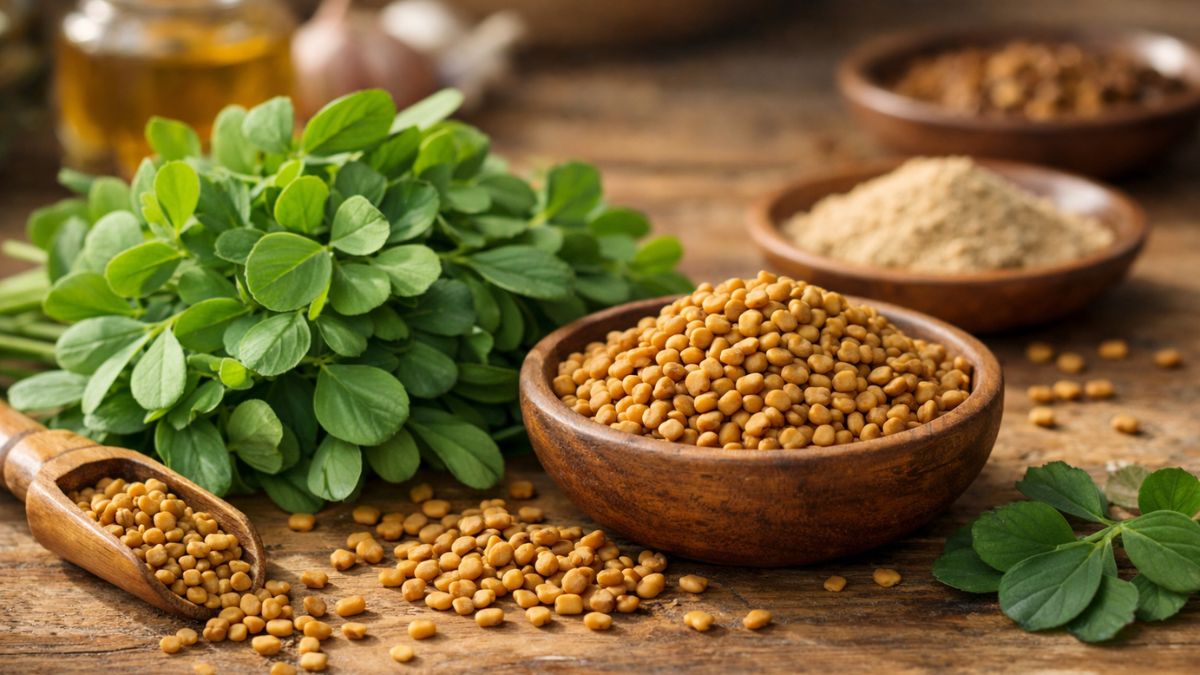
Foenegriek is a plant whose seeds and leaves are widely used in cooking and herbal remedies. It belongs to the legume family and is native to regions of Asia, the Mediterranean, and the Middle East.
Key Characteristics
- Small golden-brown seeds with a slightly bitter taste
- Fresh green leaves often used like spinach
- Strong aroma similar to maple syrup when cooked
Nutritional Overview
| Nutrient | Benefit | Why It Matters |
|---|---|---|
| Fiber | Supports digestion | Helps gut health |
| Iron | Boosts red blood cell production | Prevents fatigue |
| Protein | Supports muscle repair | Essential for body function |
| Antioxidants | Fights free radicals | Supports overall wellness |
Because of this nutrient profile, foenegriek is often considered a functional food rather than just a spice.
Molly Elizabeth Brolin: Life, Career, Family, and Untold Facts You Should Know
Health Benefits of Foenegriek
1. Supports Digestion
Foenegriek is rich in soluble fiber, which helps regulate bowel movements and supports gut health. Many people use it to relieve bloating or mild digestive discomfort.
2. Helps Manage Blood Sugar Levels
One of the most researched benefits is its ability to support balanced blood sugar. The fiber slows carbohydrate absorption, making it useful for people monitoring glucose levels.
3. May Boost Milk Production
Foenegriek is widely known as a natural galactagogue, meaning it may help increase breast milk production in nursing mothers.
4. Supports Heart Health
Its compounds may help reduce cholesterol levels, contributing to better cardiovascular health over time.
5. Anti-Inflammatory Properties
Foenegriek contains plant compounds that may help reduce inflammation, supporting overall wellness.
How to Use Foenegriek in Daily Life
Foenegriek is incredibly versatile. You can include it in your routine in several ways depending on your lifestyle.
Popular Forms
| Form | How to Use | Best For |
|---|---|---|
| Whole seeds | Soak or cook in dishes | Cooking and digestion |
| Powder | Add to smoothies or meals | Convenience |
| Capsules | Take as a supplement | Targeted health benefits |
| Tea | Brew soaked seeds in hot water | Easy daily routine |
Practical Examples
- Add a pinch of foenegriek powder to soups or curries
- Drink foenegriek tea in the morning
- Soak seeds overnight and consume on an empty stomach
By incorporating small amounts regularly, you can gradually experience its benefits.
Cooking with Foenegriek
Foenegriek is a staple in many cuisines, especially Indian and Middle Eastern cooking.
Flavor Profile
- Slightly bitter
- Nutty undertone
- Sweet aroma when cooked
Best Ways to Use It
- Toast seeds lightly to reduce bitterness
- Use leaves in stews or stir-fries
- Combine with spices like cumin and turmeric
Simple Recipe Idea: Foenegriek Tea
- Soak 1 teaspoon of seeds overnight
- Boil them in water for 5 minutes
- Strain and drink warm
This simple drink is one of the easiest ways to start using foenegriek.
Foenegriek for Hair and Skin
Beyond nutrition, foenegriek is widely used in natural beauty routines.
Hair Benefits
- May reduce dandruff
- Strengthens hair roots
- Adds shine
Skin Benefits
- Helps soothe irritation
- Supports clear skin
- Acts as a natural cleanser
DIY Hair Mask
- Soak seeds overnight
- Blend into a paste
- Apply to scalp for 20–30 minutes
This traditional remedy is still popular for a reason—it’s simple and effective.
Pros and Cons of Foenegriek
Pros
- Natural and widely available
- Multiple health benefits
- Versatile in cooking and remedies
- Affordable
Cons
- Strong taste may not suit everyone
- Overuse can cause digestive discomfort
- Not suitable for certain medical conditions
Common Mistakes When Using Foenegriek
Many beginners make avoidable mistakes that reduce its effectiveness.
Mistakes to Avoid
- Using too much at once (start small)
- Not soaking seeds before consumption
- Expecting instant results
- Ignoring potential allergies
Quick Fix Tips
- Begin with small daily doses
- Be consistent rather than excessive
- Pair with a balanced diet
Best Practices for Maximum Benefits
To get the most out of foenegriek, consistency and proper usage are key.
Recommended Approach
| Practice | Why It Works | Tip |
|---|---|---|
| Start small | Prevents side effects | Use ½ teaspoon daily |
| Stay consistent | Builds long-term benefits | Use daily for several weeks |
| Combine with healthy diet | Enhances effectiveness | Avoid processed foods |
| Choose quality sources | Ensures purity | Buy organic if possible |
Who Should Avoid Foenegriek?
While foenegriek is generally safe, certain groups should be cautious.
Use with Care If You:
- Are pregnant
- Have allergies to legumes
- Take medication for blood sugar
- Have underlying medical conditions
Always consult a professional if unsure.
Conclusion
Foenegriek is more than just a spice—it’s a powerful, natural ingredient with a wide range of benefits. From supporting digestion and heart health to enhancing hair and skin, its versatility makes it a valuable addition to any lifestyle.
The key is simple: start small, stay consistent, and use it in ways that suit your routine. Whether you prefer tea, cooking, or supplements, foenegriek offers a natural path toward better well-being.
FAQs
1. What is foenegriek used for?
Foenegriek is used for digestion, blood sugar support, cooking, and natural remedies for hair and skin.
2. Can I take foenegriek every day?
Yes, in small amounts. Consistency is more important than high doses.
3. Does foenegriek help with weight loss?
It may support appetite control and metabolism, but it works best alongside a healthy lifestyle.
4. How long does it take to see results?
Results vary, but many people notice changes within a few weeks of consistent use.
5. Is foenegriek safe for everyone?
Most people can use it safely, but pregnant women and those with medical conditions should consult a professional.
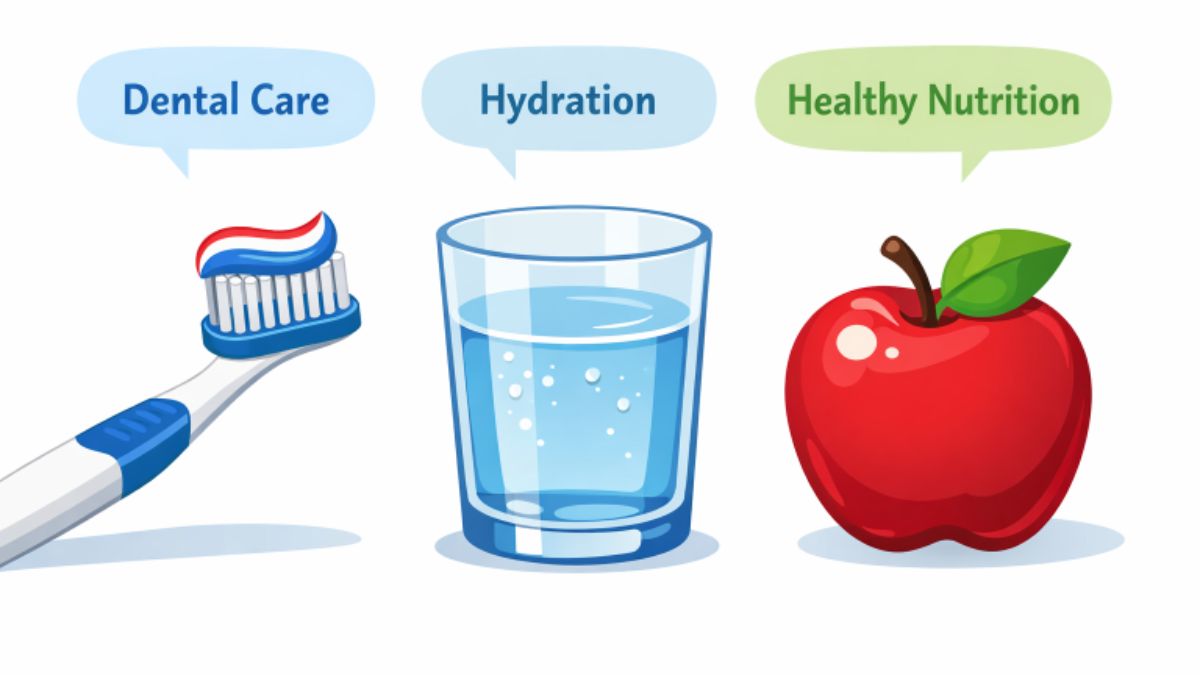
Maintaining optimal oral health is about much more than just having a beautiful smile. Good dental hygiene is vital for overall well-being, helping prevent a broad range of medical conditions. By embracing modern dental care habits, you can protect your teeth and gums and enjoy lasting oral health. If you are seeking personalized advice or professional care, visiting a trusted dentist in McLean, VA can be an excellent first step toward establishing a strong dental routine.
The right habits not only protect your teeth from decay but also reduce your risk of gum disease and systemic issues linked to poor oral hygiene. Today’s dental care is shaped by a blend of tried-and-true practices and the latest technological advancements, making it more effective than ever. Embracing a holistic approach to dental care ensures that you support both your oral and general health.
Developing a consistent daily routine, making informed nutritional choices, harnessing advanced dental tools, and staying informed about technological innovations in dentistry can empower you to keep your teeth strong and healthy throughout your life.
Daily Oral Hygiene Practices
Daily dental hygiene forms the cornerstone of lasting oral health. Brushing your teeth twice a day with fluoride toothpaste and using the correct techniques is crucial for removing plaque and preventing tooth decay. Choose a soft-bristled toothbrush and gently brush using circular motions to clean all tooth surfaces, including the back of your teeth.
Flossing is equally essential for maintaining gum health. It removes debris and plaque from between your teeth where a toothbrush cannot reach, helping prevent cavities and gum disease. Incorporate mouthwash to combat bacteria and freshen breath as a helpful addition to your oral care routine.
Balanced Diet and Hydration
Your diet has a profound effect on your oral health. Prioritize foods rich in calcium and phosphorus (like yogurt, cheese, nuts, and leafy greens), which help keep tooth enamel strong. Avoiding sugary drinks and snacks is important for preventing cavities, as sugar feeds harmful bacteria in the mouth.
Hydration is also essential. Water helps wash away food particles, neutralizes acids produced by bacteria, and stimulates saliva production, which protects against tooth decay. Replacing sugary beverages with water is a simple yet impactful way to support your dental health and overall wellness.
Regular Dental Check-Ups
Visiting your dentist at least twice a year provides several benefits. Regular check-ups allow early detection of issues such as cavities, gum disease, and even oral cancer. Professional cleanings address tartar and plaque buildup that is difficult to remove at home. Dentists can also give you personalized advice, tailored to your specific dental needs and lifestyle.
Preventive visits help you stay ahead of potential complications and ensure you receive timely treatments. According to the Centers for Disease Control and Prevention, keeping up with dental appointments is a key component of overall health maintenance.
Advanced Dental Care Tools
Modern tools can take your oral hygiene to a new level. Electric toothbrushes are generally more effective at removing plaque than manual brushes, and built-in timers encourage thorough cleaning. Water flossers offer a gentler, more thorough cleaning between teeth and along the gumline, making them especially beneficial for people with braces, dental implants, or gum sensitivity.
Additional tools, such as interdental brushes and tongue scrapers, can further enhance your daily care routine. Consider integrating these technologies for a more comprehensive, cleaner, and healthier mouth.
Avoiding Harmful Habits
Harmful dental habits can undo your hard work quickly. Avoid using your teeth to open packages or bottles, as this can cause chips or breaks. Chewing on pens, fingernails, or ice can damage enamel and may cause tooth fractures. If you suspect you grind your teeth at night, speak with your dentist about getting a custom mouthguard to protect your teeth.
Teledentistry and Digital Dentistry
Dental care is becoming more accessible due to advances in technology. Teledentistry offers remote consultations and follow-up care, saving time and making expertise available even if you cannot visit in person. Digital dentistry tools such as 3D scanning and digital X-rays enable highly accurate diagnoses and customized treatment planning, leading to better health outcomes and a more comfortable patient experience.
Sustainable Oral Care Practices
Practicing sustainability in oral care can benefit both your health and the environment. Switching to biodegradable toothbrushes and refillable paste options helps reduce plastic waste. Many dental offices are also adopting sustainable practices, such as digital record-keeping to reduce paper waste and energy-efficient equipment.
Adopting eco-friendly options may seem like a small gesture, but it can make a meaningful difference in preserving our planet’s resources while maintaining the integrity of your dental care routine. For instance, using a compostable toothbrush made from sustainable materials can significantly reduce plastic waste. Additionally, choosing sustainable toothpaste with recyclable or minimal packaging contributes to an eco-friendly oral care routine.
Final Thoughts
Modern dental care hinges on a holistic, preventive approach. By prioritizing consistent at-home routines, making mindful food choices, investing in advanced tools, avoiding destructive habits, embracing technological advances, and considering environmental responsibility, you lay the groundwork for a lifetime of oral health. Small, daily actions can yield long-lasting results, keeping your smile and your body healthy for years to come.
-

 TOPIC1 year ago
Why Large Waterproof Outdoor Rugs Are Essential for All Outdoor Spaces
-

 TOPIC1 year ago
7 Expert Tips For Choosing The Best Basement Renovation Companies
-

 TOPIC8 months ago
Top 5 Features of Googlediqiu You Didn’t Know About
-

 FASHION1 year ago
How to Layer Your White Dress for Cold Weather?
-

 TOPIC9 months ago
Why Greece Katz Martian Has Everyone Talking in 2025
-

 BUSINESS11 months ago
Top 5 Features of Sowix Online That Every User Should Know About
-

 TOPIC10 months ago
Top Features of BetterThisWorld .com You Need to Know About
-

 FINANCE1 year ago
How TraceLoans Can Simplify Your Finances