
TRAVEL
Berner Oberland Gstaad Secrets the Travel Guides Miss

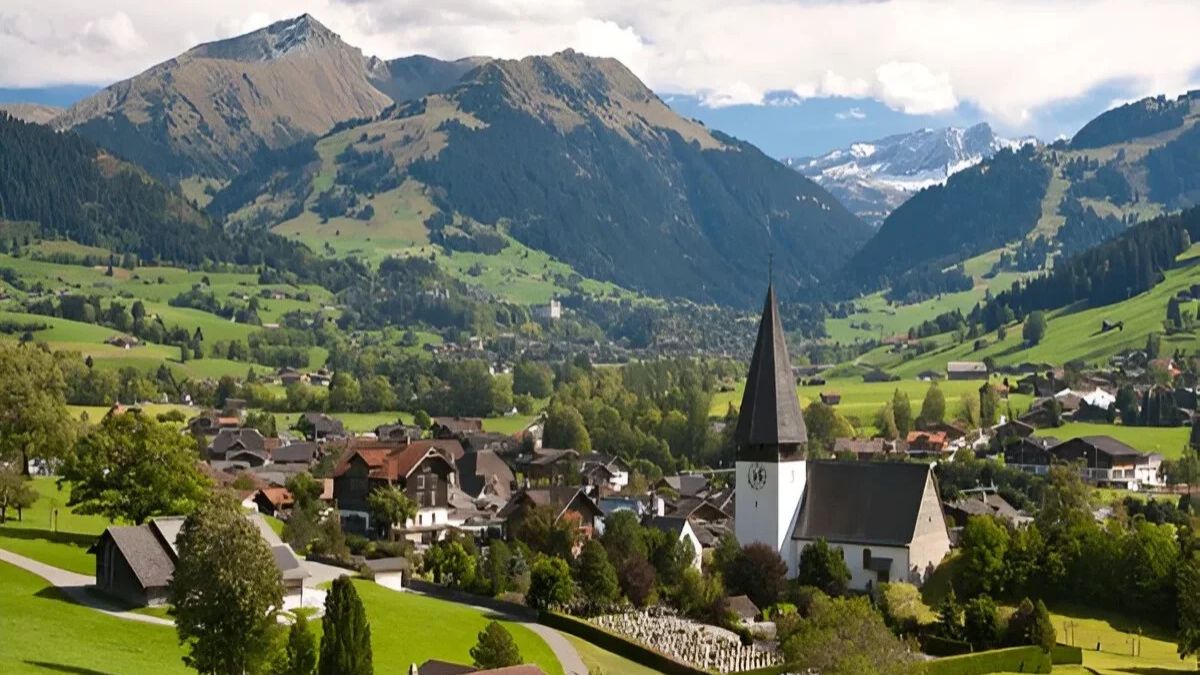
Introduction to Berner Oberland Gstaad
Nestled in the heart of Switzerland, Berner Oberland Gstaad is often seen as a glamorous alpine retreat. However, beyond its luxurious facade lies a treasure trove of hidden wonders waiting to be explored. While many travel guides focus on the well-trodden paths and popular attractions, there’s much more to discover in this enchanting region. From picturesque villages steeped in tradition to breathtaking landscapes that inspire awe, Berner Oberland Gstaad offers experiences that go far beyond the ordinary. So grab your hiking boots and prepare for an unforgettable journey through this Swiss paradise where secrets await at every turn.
The Charm and Beauty of the Region
Berner Oberland Gstaad is a postcard-perfect paradise. Nestled in the Swiss Alps, this region boasts breathtaking vistas at every turn.
Majestic mountains loom overhead, their snow-capped peaks shimmering against azure skies. Lush valleys cradle charming villages where traditional chalets dot the landscape. Each season brings its own allure—vibrant wildflowers in spring and golden leaves in autumn create an enchanting atmosphere.
The air here feels different—crisp and invigorating, infused with the scent of pine trees and fresh mountain streams. Peace fills your heart as you stroll through serene meadows or along winding paths.
Gstaad’s charm lies not just in its natural beauty but also in its unique blend of sophistication and rustic warmth. Exclusive boutiques stand alongside quaint shops offering local crafts, making it a delightful experience for both luxury seekers and adventurers alike.
There’s magic waiting around every corner, inviting exploration and discovery at every moment.
Hidden Gems and Secrets in Gstaad
Gstaad is often celebrated for its luxury and elegance, but it hides treasures beyond the glitz. Venture off the beaten path to discover charming local spots that many visitors overlook.
One such gem is the quaint village of Saanen, just a short stroll from Gstaad. Here, traditional Swiss architecture meets artistic flair in cozy cafés and artisan shops. You’ll find unique handcrafted souvenirs that tell stories of the region’s rich culture.
For nature lovers, explore the hidden trails around Lake Lauenen. The serene surroundings offer breathtaking views without the crowds typical of more popular hiking routes.
Don’t miss out on Gsteig’s small cheese dairies where you can sample authentic Swiss cheeses made by locals using age-old techniques. It’s an experience that connects you to Gstaad’s culinary heritage in a delicious way!
Activities and Attractions for Visitors
Gstaad is a playground for adventure seekers and relaxation lovers alike. The breathtaking landscapes offer countless opportunities for hiking, mountain biking, and skiing during the winter months. Trails wind through lush meadows, revealing stunning views at every turn.
For those who prefer a more leisurely pace, take a stroll along the charming streets of Gstaad village. Quaint shops and cafes invite you to linger over a warm drink while enjoying the alpine scenery.
If you’re in search of culture, don’t miss out on the local festivals held throughout the year. These events showcase traditional Swiss music and dance, providing an authentic glimpse into life in this picturesque region.
Whether you’re seeking adrenaline or tranquility, Berner Oberland Gstaad caters to all tastes with its diverse activities and attractions that will leave lasting memories.
Insider Tips on Where to Stay and Eat
When visiting Berner Oberland Gstaad, choosing the right place to stay can enhance your experience. For a cozy atmosphere, consider family-run hotels like Hotel Kernen or the charming Le Grand Bellevue. Both offer a personal touch and stunning views of the Alps.
If you prefer luxury, The Alpina Gstaad is unparalleled with its wellness facilities and gourmet dining options.
For food lovers, don’t overlook local bistros such as Restaurant Post where traditional Swiss fondue awaits. It’s an intimate setting filled with character.
A hidden gem for breakfast is Café Pâtisserie Boulangerie; their pastries are divine and perfect for a morning treat before hitting the slopes.
Make sure to explore small mountain huts serving homemade dishes on hiking trails—these spots often serve up authentic cuisine paired with breathtaking views.
Experiencing the Local Culture and Traditions
Gstaad isn’t just about stunning landscapes; it’s also a hub of rich culture and vibrant traditions. Strolling through the town, you’ll encounter local artisans showcasing their crafts. The handwoven textiles and intricate woodwork tell stories of generations.
Don’t miss the traditional Swiss festivals that fill the calendar. Events like yodeling competitions and cheese markets offer a glimpse into daily life in this picturesque region. Engaging with locals can lead to delightful conversations and insights into their way of living.
Sampling regional delicacies is essential for any visitor. Indulge in fondue or raclette, paired with locally produced wines or schnapps for an authentic taste experience.
Take part in guided tours that delve deep into Gstaad’s history. These journeys illuminate hidden stories behind ancient chalets and customs still practiced today, connecting you more intimately to this enchanting place.
Planning Your Visit to Berner Oberland Gstaad
When planning your visit to Berner Oberland Gstaad, timing is key. The region offers distinct experiences across seasons. Summer invites hiking and cycling, while winter transforms it into a snow-capped paradise for skiing.
Consider staying in one of the charming chalets or luxury hotels that dot the landscape. Each offers unique views and easy access to local attractions.
Don’t forget to check local events before you go. Festivals often showcase regional traditions and flavors not found in typical tourist itineraries.
Public transportation here is efficient and scenic, making it simple to explore nearby villages like Schönried or Saanen.
Pack layers regardless of season; weather can change rapidly in the mountains. Comfortable walking shoes are also essential for those wandering through picturesque trails or cobblestone streets.
Conclusion
Exploring the Berner Oberland Gstaad offers a unique blend of stunning landscapes, rich culture, and hidden treasures. While travel guides provide plenty of information about popular spots, they often overlook the subtle charms that make this region truly special.
From quaint villages nestled in lush valleys to secret hiking trails leading to breathtaking viewpoints, there’s much more than meets the eye. The local cuisine is a delightful surprise waiting to be discovered at cozy restaurants tucked away from the main tourist paths.
Engaging with locals can reveal stories and traditions that add depth to your experience. Each encounter has the potential to enrich your understanding of this enchanting place.
As you plan your journey, consider exploring beyond well-trodden paths. Embrace spontaneity by allowing time for unexpected adventures—those moments often become the most cherished memories.
The Berner Oberland Gstaad isn’t just a destination; it’s an invitation to uncover layers of beauty and charm within Switzerland’s mountain paradise. Whether you’re seeking relaxation or adventure, there’s something here for everyone yearning for authenticity amidst nature’s grandeur.

The Timeless Appeal of Vintage Cars
There’s something undeniably captivating about vintage cars. Their classic designs and historical significance evoke a sense of nostalgia that modern vehicles often lack. This allure has led to a resurgence in their popularity, especially among luxury travelers seeking unique experiences. For instance, LimoRyde, a family-owned limousine service based in Mapleton, Utah, offers a vintage limo experience that combines elegance with personalized service. Serving areas such as Salt Lake City, Provo, and Park City, LimoRyde provides clients with the opportunity to travel in style, making special occasions even more memorable.
Another aspect that draws enthusiasts to vintage cars is the narrative woven into each vehicle. Every classic car carries its own history, from the hands that crafted it to the roads it once traveled. Travelers who value storytelling and authenticity often gravitate towards vintage car journeys as a way to immerse themselves in the living history of these automobiles. The social aspect is just as significant: engaging with vintage cars often leads to connections with fellow aficionados and connoisseurs of automotive culture, sparking lively conversations and shared appreciation for rare models and restoration techniques.
Restomods: Blending Classic Charm with Modern Comfort
Restomods, or restored and modified vintage cars, have become a significant trend in the automotive world. These vehicles retain their classic aesthetics while incorporating modern technology and safety features. For instance, companies like Vintage Modern specialize in revamping iconic models such as the Ford Bronco, offering enthusiasts the timeless beauty of classic cars with the comforts and safety of today’s vehicles. This approach allows travelers to enjoy the best of both worlds: the charm of a vintage car with the reliability of modern engineering.
Furthermore, restomods appeal to a younger generation of luxury travelers and car collectors, who appreciate the fusion of heritage and innovation. Customization options often include features like advanced infotainment systems, eco-friendly powertrains, or improved air conditioning, making restomods well-suited for modern travel while retaining that vintage allure. As such, restomods are not only about maintaining the integrity of an old favorite but also about personalizing the driving experience to align with the expectations of today’s discerning travelers. This balance between preservation and progress ensures restomods remain a cornerstone in the evolution of luxury automobile travel.
Luxury Hotels Embracing Vintage Vehicles
High-end hotels are increasingly incorporating vintage cars into their offerings to enhance guest experiences. Events like the Oberoi Concours d’Elegance showcase classic automobiles, attracting enthusiasts and adding a touch of elegance to the hospitality industry. Such initiatives not only celebrate automotive history but also provide guests with unique and memorable experiences.
Many luxury hotels now offer exclusive packages that include classic car rentals or chauffeured rides in vintage vehicles for special occasions or city tours. These curated experiences enable guests to relive the glamour of bygone eras while enjoying world-class hospitality and amenities. In some cases, hotels have partnered with local collectors or museums to host rotating exhibitions of rare automobiles, transforming lobbies into dynamic showcases and turning every check-in into an event worthy of anticipation.
Vintage Car Rentals: A Growing Trend in Luxury Travel
The demand for vintage car rentals has surged as travelers seek personalized and distinctive journeys. Companies offering classic car rentals provide clients with the opportunity to drive iconic vehicles, adding a layer of exclusivity to their trips. This trend reflects a broader desire for experiences that combine luxury with authenticity.
Vintage car rentals add an extraordinary sense of drama and style to destinations known for their scenery or cultural significance. Whether exploring wine country in a convertible classic or arriving at an exclusive event in a gleaming vintage limousine, travelers find that these experiences turn ordinary moments into lifelong memories. Increasingly, travel planners and concierge services are including classic car rentals as part of bespoke travel itineraries, cementing their role in the landscape of high-end tourism.
Vintage Cars in Special Events and Celebrations
Classic cars are increasingly featured in weddings, anniversaries, and other milestone events. Their presence adds a sense of heritage and continuity, making celebrations more memorable. For example, antique Rolls-Royce vehicles are often chosen for their elegance and historical significance, becoming symbolic centerpieces in various ceremonies.
Beyond mere transportation, vintage cars bring an air of sophistication and timelessness to private gatherings. Couples and families often choose vintage vehicles not just for their striking aesthetics but for the emotional resonance and unique backdrops they provide for photographs and videography. Planners and coordinators are leveraging vintage car selections as thematic elements, integrating them into decor and guest experiences to craft seamless, unforgettable events.
The Investment Potential of Vintage Cars
Beyond their aesthetic and experiential value, vintage cars are also viewed as lucrative investments. The classic car market has seen sustained growth, with models from the 1980s to the 2000s attracting strong demand and appreciating in value. This trend indicates a convergence of passion and financial opportunity in the realm of vintage automobiles.
Many luxury travelers who initially enter the market for enjoyment or special occasions ultimately recognize the potential for long-term value. Auction results and collector indices demonstrate that well-maintained vintage cars can outperform traditional investments. The scarcity of particular models and growing international interest further solidify vintage cars as both a lifestyle asset and a diversified investment option. For some, the pride of ownership extends beyond the garage, representing a family legacy and a tangible connection to the history of innovation and design.
Challenges and Considerations
While the integration of vintage cars into modern luxury travel offers numerous benefits, it also presents challenges. Maintenance and restoration require specialized knowledge and can be costly. Additionally, ensuring that these vehicles meet contemporary safety standards is crucial. Travelers and service providers must weigh these factors when incorporating vintage cars into their experiences.
Other considerations include environmental impact, as older engines may not meet current emissions regulations in all destinations. Moreover, insurance for classic cars often necessitates specialized coverage and careful valuation. As a result, both travelers and travel operators need to partner with reputable restoration experts and insurance providers to navigate these complexities and safeguard the enjoyment and investment value associated with vintage cars.
Conclusion
Vintage cars play a pivotal role in modern luxury travel, offering a unique blend of nostalgia, elegance, and exclusivity. Whether through restomods, luxury hotel events, or personalized rentals, these classic vehicles continue to captivate and enhance the travel experiences of discerning clients. As the trend grows, the fusion of vintage charm with modern comfort is set to redefine luxury travel.
Looking forward, the prominence of vintage cars in upscale travel experiences is only likely to grow. As more individuals and hospitality brands recognize their power to create indelible memories and foster community, vintage vehicles are set to remain an enduring symbol of personalized luxury, adventure, and refined taste. Their presence enriches travel, transforming movement itself into an experience worthy of anticipation and celebration.

Welcome to Tsunaihaiya, a hidden gem where nature’s beauty meets vibrant culture. As more travelers seek out unique experiences, the importance of sustainable tourism in tsunaihaiya has never been clearer. This enchanting destination offers an incredible opportunity for exploration without compromising the environment or local communities.
Whether you’re hiking through lush landscapes or savoring traditional cuisine, every choice you make can contribute to a brighter future for tsunaihaiya and its inhabitants. Let’s dive into how you can enjoy this stunning locale while being a responsible traveler.
Understanding Sustainable Tourism in Tsunaihaiya
Sustainable tourism focuses on minimizing the negative impact of travel while enhancing local cultures and environments. In tsunaihaiya, this means protecting fragile ecosystems while empowering local communities.
It embodies a mindset that values ecological balance, economic viability, and cultural integrity.
At its core, sustainable tourism in tsunaihaiya encourages travelers to engage with destinations in ways that preserve their natural beauty and heritage. This includes respecting local traditions, protecting wildlife habitats, and supporting community-driven initiatives.
Travelers are increasingly aware of the consequences of their choices. From carbon footprints to wastage, every action counts. Emphasizing sustainability allows visitors to explore tsunaihaiya without leaving behind scars on landscapes or communities.
By prioritizing responsible practices, we can all play a part in ensuring that future generations will enjoy tsunaihaiya’s unique charm just as we do today.
Core Pillars of Sustainable Tourism in Tsunaihaiya
| Sustainability Pillar | What It Means in Tsunaihaiya | Practical Example for Travelers |
|---|---|---|
| Environmental Protection | Preserving forests, wildlife, and water sources | Using refillable bottles & staying on marked trails |
| Cultural Preservation | Respecting traditions and heritage | Participating in authentic local festivals respectfully |
| Economic Support | Strengthening local livelihoods | Buying handmade goods from local artisans |
| Resource Efficiency | Reducing waste and energy use | Choosing eco-certified accommodations |
The Impact of Tourism on Tsunaihaiya
Tourism in tsunaihaiya brings both opportunities and challenges. The influx of visitors boosts the local economy, creating jobs and supporting businesses. Markets thrive as tourists seek authentic experiences.
However, this growth can strain natural resources. Increased foot traffic affects delicate ecosystems. Local wildlife may face disturbances from noise and habitat encroachment.
Cultural exchanges enrich the community’s heritage but can sometimes lead to commercialization. Traditional practices risk dilution when tailored solely for tourist appeal.
Waste management poses another concern as littering becomes more common with higher visitor numbers. Sustainable tourism in tsunaihaiya requires proactive solutions to preserve its charm for future generations.
Tourism Benefits vs. Environmental Challenges
| Positive Impacts | Potential Challenges | Sustainable Solution |
|---|---|---|
| Job creation | Ecosystem degradation | Visitor caps & trail management |
| Business growth | Increased waste | Recycling programs & zero-waste campaigns |
| Cultural exchange | Cultural commercialization | Community-led tourism initiatives |
| Infrastructure development | Water & energy strain | Renewable energy & conservation systems |
Balancing tourist interests with environmental stewardship is essential for maintaining tsunaihaiya’s unique character.
Responsible Travel Practices in Tsunaihaiya
Responsible travel practices are essential for preserving the beauty of tsunaihaiya. Visitors should prioritize minimizing their ecological footprint while enjoying all that this vibrant destination offers.
One effective way is to reduce waste by carrying reusable items like water bottles and shopping bags. This simple action helps protect local wildlife and keeps tsunaihaiya clean.
Travelers can also choose to walk or bike instead of relying on motor vehicles. Exploring tsunaihaiya’s scenic landscapes at a slower pace enhances the experience and fosters a deeper connection with nature.
Additionally, engaging with locals respectfully goes a long way. Understanding cultural norms and traditions enriches one’s journey while ensuring that visitors make positive contributions to tsunaihaiya’s community.
Supporting Local Communities and Businesses in Tsunaihaiya
Supporting local communities and businesses in tsunaihaiya is essential for fostering sustainable tourism. When visitors choose to dine at family-run restaurants or shop at artisan markets, they contribute directly to the economy.
Engaging with local culture adds depth to your travel experience. Interacting with residents provides insights into their traditions and way of life.
Consider participating in workshops led by locals who share their skills, whether it’s crafting textiles or cooking traditional dishes. These experiences ensure that tourism revenue stays within tsunaihaiya.
Opting for locally-owned accommodations helps sustain small enterprises while offering a more authentic atmosphere than large commercial hotels.
Eco-Friendly Accommodations in Tsunaihaiya
When visiting tsunaihaiya, consider staying in eco-friendly accommodations that prioritize sustainability.
Many of these establishments use renewable energy sources like solar panels, reducing dependence on fossil fuels. Water conservation systems such as rainwater harvesting and low-flow fixtures are commonly implemented.
Locally sourced building materials and décor showcase traditional craftsmanship while supporting nearby artisans.
Guests can often enjoy organic food options prepared with fresh, locally harvested ingredients.
What to Look for in Sustainable Accommodation
| Feature | Why It Matters | What to Ask Before Booking |
|---|---|---|
| Solar or renewable energy | Reduces carbon emissions | “Do you use renewable power sources?” |
| Water conservation systems | Protects local water supply | “Do you have rainwater harvesting?” |
| Local employment | Supports community economy | “Is your staff locally hired?” |
| Organic/local food sourcing | Reduces transport footprint | “Are ingredients sourced locally?” |
Choosing eco-conscious lodging enhances your stay while protecting tsunaihaiya’s environment.
Outdoor Activities That Promote Sustainability in Tsunaihaiya
Tsunaihaiya offers outdoor activities that align perfectly with sustainable tourism principles.
Hiking through designated trails allows you to connect with nature without damaging fragile ecosystems.
Kayaking provides a quiet, low-impact way to observe wildlife.
Cycling along marked paths reduces carbon emissions while offering immersive exploration.
Participating in community-led beach cleanups strengthens environmental stewardship and supports long-term sustainability in tsunaihaiya.
Engaging knowledgeable local guides enhances your understanding of responsible tourism practices.
Conclusion: Embracing Sustainable Tourism in Tsunaihaiya for a Better Future
The journey toward sustainable tourism in tsunaihaiya is not just a trend—it’s essential for preserving its natural beauty and cultural heritage.
By practicing responsible travel habits, supporting local businesses, and choosing eco-friendly accommodations, you help protect tsunaihaiya for future generations.
Each thoughtful decision strengthens the bond between travelers and residents. Sustainable tourism ensures that tsunaihaiya remains a breathtaking destination filled with rich culture and stunning landscapes for years to come.
Frequently Asked Questions About Sustainable Tourism in Tsunaihaiya
1. What is sustainable tourism in Tsunaihaiya?
Sustainable tourism in tsunaihaiya focuses on minimizing environmental damage while supporting local communities and preserving cultural traditions.
2. Why is sustainable tourism important for Tsunaihaiya?
It protects fragile ecosystems, strengthens the local economy, and ensures long-term preservation of cultural heritage.
3. How can visitors practice responsible tourism in Tsunaihaiya?
Travelers can reduce waste, choose eco-friendly accommodations, support local businesses, and respect cultural customs.
4. Are there eco-friendly accommodations in Tsunaihaiya?
Yes, many lodgings implement renewable energy, water conservation, and local sourcing practices to promote sustainability.
5. What outdoor activities support sustainability in Tsunaihaiya?
Hiking, kayaking, cycling, and participating in conservation programs all align with sustainable tourism goals.
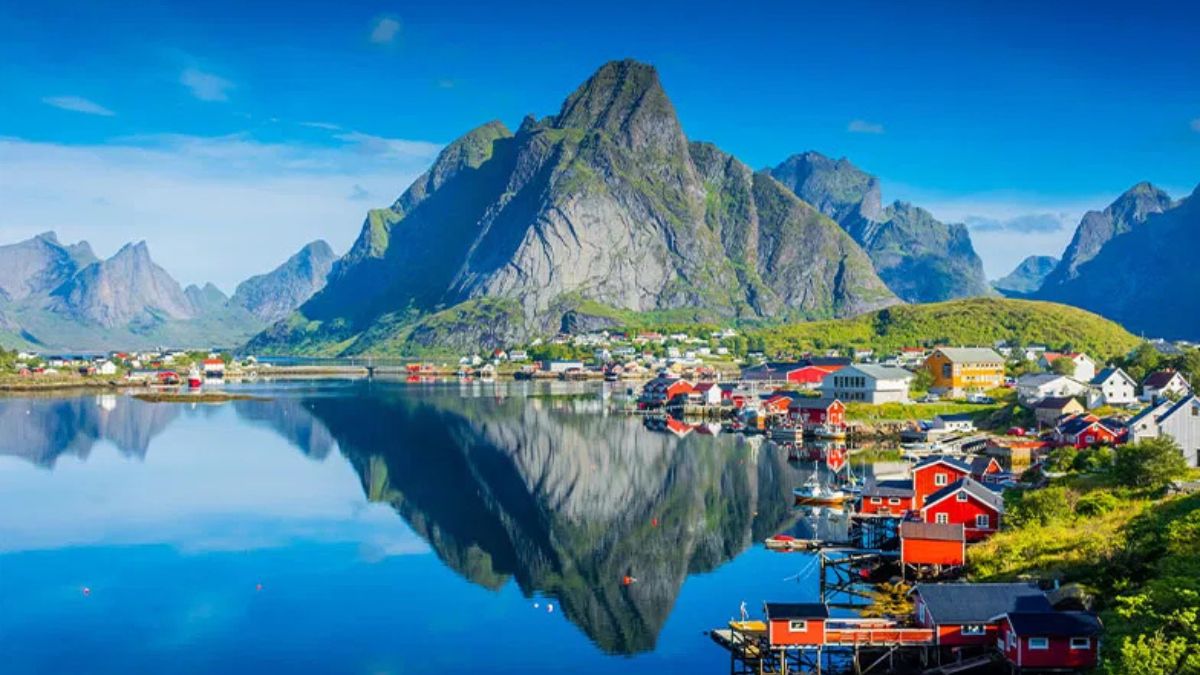
Introduction to Nerwey
Nestled in the heart of breathtaking landscapes and rich traditions, Nerwey awaits with its enchanting charm. This hidden gem has a unique blend of history, adventure, and culinary delights that beckons travelers from near and far. Whether you’re an avid explorer or someone seeking a peaceful retreat, Nerwey offers something special for everyone.
As you wander through its picturesque streets, you’ll find stories etched in every corner—from ancient landmarks to vibrant local culture. With so much to see and do, planning your trip can feel overwhelming. Don’t worry; this comprehensive guide will help you navigate the wonders of Nerwey like a seasoned traveler. Get ready for an unforgettable experience!
History and Culture of Nerwey
Nerwey boasts a rich tapestry of history that intertwines with its vibrant culture. This enchanting destination has roots dating back centuries, influenced by various civilizations.
Ancient traditions blend seamlessly with modern lifestyles here. Local festivals reflect the community’s deep connection to their heritage. The annual celebrations often showcase traditional music and dance, inviting visitors to join in the revelry.
Artisan crafts thrive in Nerwey, from intricate pottery to stunning textiles. These creations tell stories of the land and its people, often passed down through generations.
The culinary scene is equally reflective of this cultural diversity. Recipes infused with history are cherished family secrets, tantalizing palates while connecting diners to local customs.
Exploring Nerwey offers an immersive experience where every corner reveals tales from the past. Engaging with locals provides insight into their way of life—an invitation to understand what truly makes Nerwey unique.
Top Tourist Attractions in Nerwey
Nerwey is a treasure trove of stunning sights waiting to be explored. One must-visit spot is the historic Nerwey Castle, which offers breathtaking views and a glimpse into the region’s rich past.
Nature enthusiasts will find solace in the lush expanses of Nerwey National Park. Hiking trails wind through picturesque landscapes, allowing visitors to immerse themselves in nature’s beauty.
Art lovers can stroll through the vibrant streets adorned with local murals that showcase traditional craftsmanship and contemporary creativity. Each corner tells its own story.
For those interested in marine life, the Nerwey Aquarium provides an interactive experience with fascinating exhibits featuring native underwater species.
Don’t miss out on visiting local markets where artisans sell unique handcrafted goods and fresh produce, adding a personal touch to your journey in this enchanting place.
Adventure Activities in Nerwey
Nerwey is a playground for adventure seekers. The diverse landscape offers something for everyone.
Hiking enthusiasts will find countless trails winding through picturesque mountains and lush forests. Each path reveals breathtaking views that beckon you to explore further.
For those who crave adrenaline, rock climbing around Nerwey’s cliffs presents an exciting challenge. Experienced guides are available to help you conquer the heights safely.
Water sports also take center stage here. Kayaking in the crystal-clear lakes or rivers provides both thrill and tranquility as you navigate through stunning scenery.
If winter activities excite you, skiing and snowboarding on the slopes are must-tries when temperatures drop. The powdery snow creates perfect conditions for all skill levels.
Don’t miss out on cycling routes that traverse varying terrains, allowing you to soak in the beauty of nature at your own pace while getting your heart racing.
Local Cuisine and Dining Options in Nerwey
Nerwey’s culinary scene is a delightful blend of tradition and modernity. Local restaurants serve dishes that reflect the region’s rich agricultural heritage.
Street food stalls offer quick bites like savory pastries filled with seasonal vegetables. These treats are perfect for those on the go, bursting with flavor yet light enough to leave you wanting more.
For a sit-down experience, cozy bistros present farm-to-table dining. Expect fresh ingredients sourced from nearby farms, ensuring every meal is deliciously authentic.
Don’t miss out on local specialties such as hearty stews made with tender meats and fragrant herbs. Pair your dish with a locally brewed beverage for an unforgettable taste journey.
Whether you’re looking for casual eateries or upscale dining experiences, Nerwey has something to satisfy every palate. Indulge in sweets at bakeries offering traditional desserts that showcase regional flavors too!
Where to Stay in Nerwey – Accommodation Options
Finding the right place to stay in Nerwey can enhance your travel experience. The options range from luxurious hotels to cozy bed-and-breakfasts.
For those seeking comfort, several upscale hotels offer stunning views and modern amenities. Many are located near popular attractions, making it easy to explore the town.
If you prefer a more intimate setting, charming guesthouses provide personalized service and local flair. These spots often feature unique decor that reflects Nerwey’s rich culture.
Budget travelers will find hostels scattered throughout the area. They offer affordable rates and opportunities for meeting fellow adventurers.
Camping enthusiasts might enjoy nearby sites nestled in nature, providing a chance to connect with the great outdoors while still being close to city life.
With diverse accommodation choices available, every traveler can find their ideal retreat in beautiful Nerwey.
Tips for a Memorable Trip to Nerwey
Embrace the local culture by learning a few basic phrases in the native language. The locals appreciate any effort to speak with them, and it can lead to meaningful interactions.
Travel light but pack for all weather conditions. Nerwey’s climate can be unpredictable, so layering is key. Comfortable walking shoes are essential for exploring its breathtaking landscapes.
Consider visiting during the shoulder seasons for fewer crowds and better prices. This will enhance your experience as you enjoy attractions at a leisurely pace.
Don’t forget to engage with local artisans and markets. Unique handmade souvenirs make perfect mementos of your journey while supporting small businesses.
Take time to pause and soak in your surroundings. Whether it’s a scenic view or an intriguing conversation, these moments create lasting memories that define your trip to Nerwey.
Conclusion
Nerwey is a destination that captivates with its rich history, vibrant culture, and stunning landscapes. From exploring ancient ruins to indulging in mouthwatering local dishes, every moment spent here is filled with discovery.
Adventure seekers will find a playground of activities ranging from hiking spectacular trails to engaging in thrilling water sports. The warm hospitality of the locals adds an extra layer of charm to this enchanting place.
Accommodations range from cozy inns to luxurious hotels, catering to all types of travelers and budgets. Whether you’re seeking relaxation or adventure, Nerwey has something for everyone.
By planning your visit thoughtfully and embracing the unique experiences available, you can create lasting memories in this extraordinary locale. If you’re looking for an unforgettable getaway filled with wonder and exploration, Nerwey should undoubtedly be on your travel list.
-

 TOPIC8 months ago
Top 5 Features of Googlediqiu You Didn’t Know About
-

 TOPIC1 year ago
Why Large Waterproof Outdoor Rugs Are Essential for All Outdoor Spaces
-

 TOPIC1 year ago
7 Expert Tips For Choosing The Best Basement Renovation Companies
-

 FASHION1 year ago
How to Layer Your White Dress for Cold Weather?
-

 TOPIC10 months ago
Why Greece Katz Martian Has Everyone Talking in 2025
-

 BUSINESS11 months ago
Top 5 Features of Sowix Online That Every User Should Know About
-

 TOPIC11 months ago
Top Features of BetterThisWorld .com You Need to Know About
-

 FINANCE1 year ago
How TraceLoans Can Simplify Your Finances