
LAW
How to Maximize Your Compensation in a Personal Injury Claim


Have you ever wondered how to get the most out of your personal injury claim?
You are not alone. Many face this challenge when injured due to someone else’s negligence. Knowing your rights can make a huge difference. Understanding the process is crucial. Get the compensation you deserve.
Ready to learn more? Let’s dive in.
Seek Immediate Medical Attention
Seeking immediate medical attention is critical after an accident. It is the first step in a personal injury claim. Quick medical care ensures that injuries are documented. This helps support your case. Doctors can detect hidden injuries early. Treatment can then start promptly. This increases recovery chances.
Failing to seek immediate medical care can harm your personal injury claim. Insurance companies may argue that injuries are not severe. Documentation from medical professionals is vital. It provides clear evidence of injury. Always prioritize your health after an accident. It strengthens your claim as well.
Preserve All Evidence
Preserving evidence is crucial after an accident. Keep everything related to the incident. This includes photos, videos, and witness information. Injury lawyers highlight that evidence is key. It helps prove what happened. Take pictures of the scene and your injuries. Write down details immediately.
Make copies of all documents. This includes medical records and police reports. Store them safely. Gather contact information of witnesses. Their statements can support your claim.
Injury lawyers rely on well-documented cases. This can lead to fair compensation. Do not discard anything related to your case.
Maintain Detailed Records
Maintaining detailed records is important in an injury claim. Start by keeping a journal of all your symptoms. Record your daily experiences related to the injury. This helps show how the injury affects your life. Save receipts for all medical expenses. This includes prescriptions and therapy costs.
Document any missed workdays. Keep a log of lost wages due to the injury. Ensure you have all communication with the insurance company.
Save emails, letters, and any phone call notes. Detailed records make your injury claim stronger. Accurate documentation is crucial for a fair settlement.
Consult a Personal Injury Attorney
Consulting a personal injury attorney is a wise decision. They provide valuable guidance through the legal process. Attorneys have the experience to handle claims efficiently. They help gather all necessary evidence. An attorney can negotiate with insurance companies on your behalf. This increases your chance of fair compensation.
A professional personal injury lawyer in Spokane is skilled in these matters. They understand the complexities of personal injury law. You do not have to face this alone. With an attorney, you have a better chance of success in your claim.
Be Cautious With Insurance Companies
Dealing with insurance companies requires caution in personal injury claims. They often aim to minimize payouts. Speak carefully when discussing your case. Offer only necessary information. Avoid making recorded statements without legal advice. Insurance adjusters may use your words against you.
Consider the tactics insurance companies use. They might request medical records or offer quick settlements. Always consult your personal injury lawyer before accepting any deals. They understand fair compensation. This approach helps ensure you receive a fair settlement.
Read More About the Compensation in a Personal Injury Claim
Navigating a personal injury claim is challenging. Remember, your health is the top priority. Seek help when needed. Preserve all evidence carefully. Maintain detailed records consistently. Consult a professional for guidance.
Be smart with insurance dealings. Stay determined and informed. A fair settlement is your right. You can achieve success with the right strategies.
Visit our blog for more!




Understanding the Divorce Process
Divorce is not only a profound emotional journey but also a complex legal process that varies greatly depending on where you live. Gaining a good grasp of the divorce process in your state can help minimize confusion and prevent unexpected setbacks. Some jurisdictions may require a period of separation or have specific residency requirements before a petition can be filed. Discussing your options early with a qualified divorce lawyer Daytona can provide clarity and pave the way for a more predictable legal experience. Rice Law Firm specializes in divorce and family law in Volusia County, Central Florida, providing trustworthy legal resources and leveraging decades of experience in navigating divorce and custody cases. The firm emphasizes early preparation to alleviate stress and aid informed decision-making, encouraging individuals to familiarize themselves with Florida’s legal statutes and consult with lawyers.
Before starting divorce proceedings, it is essential to gather and organize comprehensive financial records, including tax returns, bank statements, mortgage documents, pay stubs, and details of debts, to ensure a clear understanding of one’s financial situation, which is vital for equitable property division.
Creating a detailed inventory of marital and personal assets aids both negotiation and court proceedings, enabling proper valuation and preventing critical components from being overlooked.
The firm advocates alternative dispute resolution, such as mediation, in which a neutral mediator assists couples in reaching amicable agreements on property division and child custody. Mediation is promoted as a faster, cost-effective alternative that reduces emotional strain during the divorce process and is particularly beneficial for maintaining cooperative co-parenting relationships. Practical advice for mediation preparation is available from reputable sources, such as the New York Times.
Developing a Parenting Plan
Creating a detailed parenting plan is essential when sharing children, covering physical custody, visitation, holiday arrangements, transportation, and decision-making regarding education and healthcare. Effective plans are structured to foster stability for the children and minimize conflicts between co-parents. Key tips for crafting these plans include specifying pick-up and drop-off times, maintaining open communication to adapt to the children’s evolving needs, and prioritizing children’s welfare over personal disagreements. Early consultation with family therapists or counselors can enhance the plan’s effectiveness, ensuring it supports a healthy environment for the children. Taking the time to develop a thorough agreement helps prevent future misunderstandings.
Seeking Professional Legal Assistance
Although some people try to manage a divorce without legal help, engaging an experienced family law attorney can make a tremendous difference in the outcome. An attorney’s responsibilities go beyond just filing paperwork; they advocate for your best interests, highlight potential legal issues, and strive to resolve matters with the least conflict and maximum efficiency.
Comprehensive legal support ensures your rights are protected at each stage, from negotiating settlements to representing you in court if needed. Access to knowledgeable legal counsel is especially important in complex cases involving significant assets, contested custody matters, or unique circumstances that require a strategic approach. For those unsure where to start, organizations like the American Bar Association provide guidance on selecting a family law attorney who is the right fit for your case.
Emotional and Practical Preparation
Preparing for divorce is not solely about legal and financial matters. Emotional well-being plays a crucial role in coping with change and adapting to new routines. Consider seeking support from professional counselors, divorce coaches, or local support groups. These resources can help you process feelings of grief, loss, or uncertainty and connect with others who are going through similar experiences.
On a practical level, start planning housing arrangements, daily schedules, and other logistics as early as possible. An organized approach to these changes will make the transition smoother and less disruptive for all involved.
Understanding Your Rights and Responsibilities
Being informed about what you are entitled to and what obligations you have helps you avoid costly mistakes during the divorce process. Issues such as property division, spousal support, and child support vary by jurisdiction and often come with unique legal nuances. By understanding these aspects, you can negotiate more confidently and protect your interests.
Knowledge is power when it comes to signing agreements, requesting modifications, or enforcing existing orders. Well-timed legal advice can be the difference between a settlement that feels fair and one that leaves you at a disadvantage.
Maintaining Open Communication
While it may be emotionally challenging, clear and respectful dialogue with your soon-to-be ex-spouse can ease many of the difficulties of divorce. If direct communication proves too difficult, consider using structured channels such as mediation or written correspondence.
It’s equally important to keep the lines of communication open with your attorney. Sharing your concerns, goals, and questions regularly will help your legal team tailor their approach to your unique needs and advocate more effectively on your behalf.
Conclusion
Preparing for divorce demands a strategic blend of legal awareness, financial organization, emotional resilience, and proactive planning. By consulting reputable professionals, using trusted legal resources, and focusing on clear communication, you can navigate the process with greater confidence and lay the foundation for a secure, positive future.
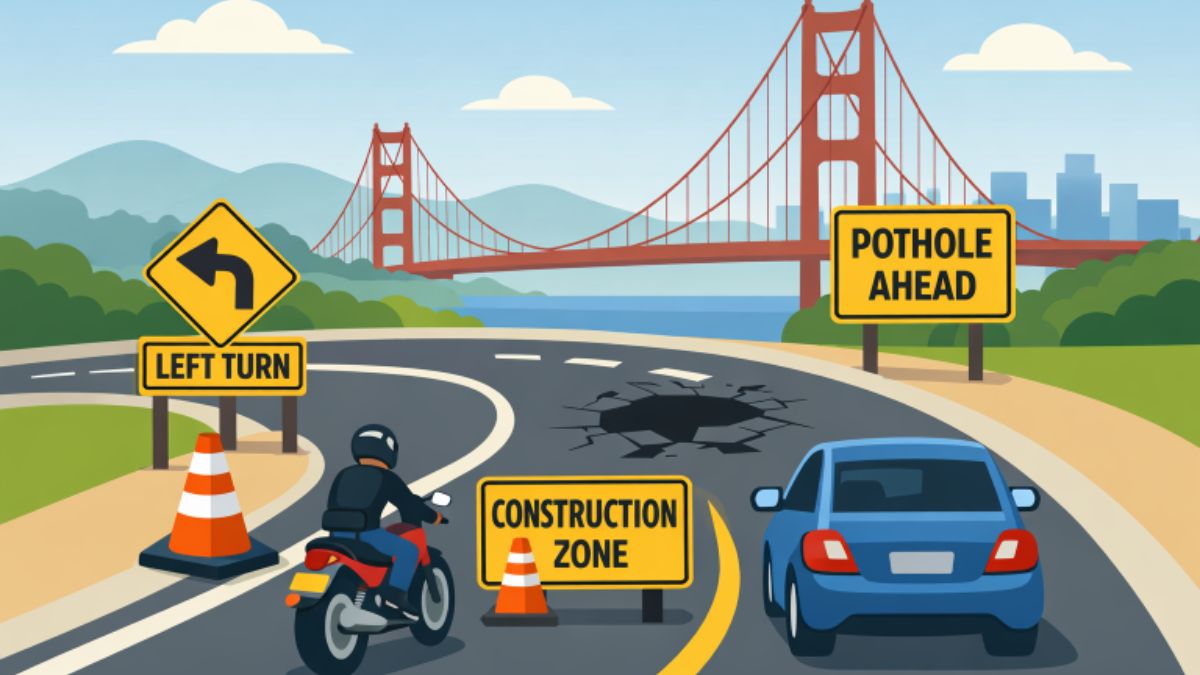
San Francisco’s dense traffic, steep hills, and varied weather conditions make it a challenging environment for motorcyclists. Understanding the most common reasons behind motorcycle crashes helps both riders and motorists prevent them. In the unfortunate event of a crash, it is important to know when you need support from motorcycle accident lawyers near me in order to protect your legal interests and recover damages.
The city’s unique roadways, frequent construction, and heavy pedestrian presence add more risk factors. Accidents often result in severe injuries, so understanding causation and legal responsibility is essential for riders, drivers, and city planners alike.
Local and state statistics reveal that motorcycle accidents often result from a combination of risky behaviors and environmental factors. Motorcyclists are especially vulnerable on busy city streets, where visibility is lower and sudden traffic changes are common.
Properly addressing recurring accident causes can help reduce roadway dangers for everyone. Even the most skilled riders need to remain vigilant and proactive in navigating city streets safely.
Top Causes of Motorcycle Accidents in San Francisco
1. Distracted Driving
Distracted driving remains a leading cause of all motor vehicle accidents, and motorcyclists are particularly at risk. Texting, eating, or interacting with GPS devices can cause drivers to overlook nearby riders and lead to catastrophic collisions.
2. Unsafe Lane Changes
Busy city streets and expressways contribute to frequent lane changes, resulting in many accidents. Drivers who fail to signal or check blind spots may sideswipe motorcycles, whose smaller profiles make them less visible.
3. Left-Turn Accidents
Intersections are some of the most dangerous spots for motorcyclists. Cars making unprotected left turns often misjudge the speed or distance of an oncoming motorcycle, causing severe crashes.
4. Speeding and Aggressive Driving
Excessive speed is a significant factor in many motorcycle accidents. Higher speeds reduce a vehicle operator’s reaction time and increase the severity of collisions, especially in cities where pedestrians and other vehicles frequently cross paths.
5. Hazardous Road Conditions
Potholes, loose gravel, slippery pavement, and poorly marked construction zones are especially dangerous for motorcycles. San Francisco’s unpredictable weather can further increase these risks, contributing to sudden skids and loss of control.
6. Impaired Driving
Drivers or riders under the influence of alcohol or drugs experience slower reaction times and impaired judgment, making accidents more likely and more dangerous when they do occur.
7. Dooring Accidents
San Francisco’s popularity with both cycling and motorcycles makes dooring a common problem. Motorists who open car doors into the path of an oncoming motorcycle without checking first often cause sudden, serious collisions.
Who May Be Liable for Motorcycle Accidents?
Liability in motorcycle accidents depends on the specific facts of the crash. A negligent driver may be responsible if they failed to yield, made an unsafe lane change, or were distracted behind the wheel. City agencies may also be liable for crashes that result from poor road maintenance or faulty traffic signals. In some cases, the motorcycle manufacturer could be responsible for accidents caused by defective parts or design flaws.
In certain situations, both the car driver and the motorcyclist may share liability, especially if the rider was speeding or did not follow right-of-way rules. California’s comparative fault law allows injury victims to recover damages even if they are partially at fault, but damages may be reduced in proportion to their share of responsibility.
Gathering Evidence After a Motorcycle Accident
Following an accident, collecting detailed evidence is crucial. Photos of the scene, witness statements, medical records, and police reports can all be pivotal in proving liability. Surveillance footage and accident reconstruction specialists may also play an essential role, especially when insurers dispute fault.
The Role of Legal Assistance
Legal support can be essential for victims seeking compensation in San Francisco’s complex traffic environment. Professional representation is critical in cases involving catastrophic injuries or disputed liability, as insurance companies often attempt to minimize payouts. Consulting experienced attorneys helps ensure victims understand their rights, gather necessary evidence, and build a strong claim for compensation.
Conclusion
Motorcycle accidents in San Francisco often stem from a dangerous combination of human error, environmental hazards, and infrastructure challenges. Determining liability requires careful examination of each crash’s unique details. Riders and drivers can reduce their risks by staying alert, following traffic laws, and understanding how responsibility is assigned if an accident does occur. Knowledge, preparation, and sometimes experienced legal advice are key to protecting yourself both on and off the road.
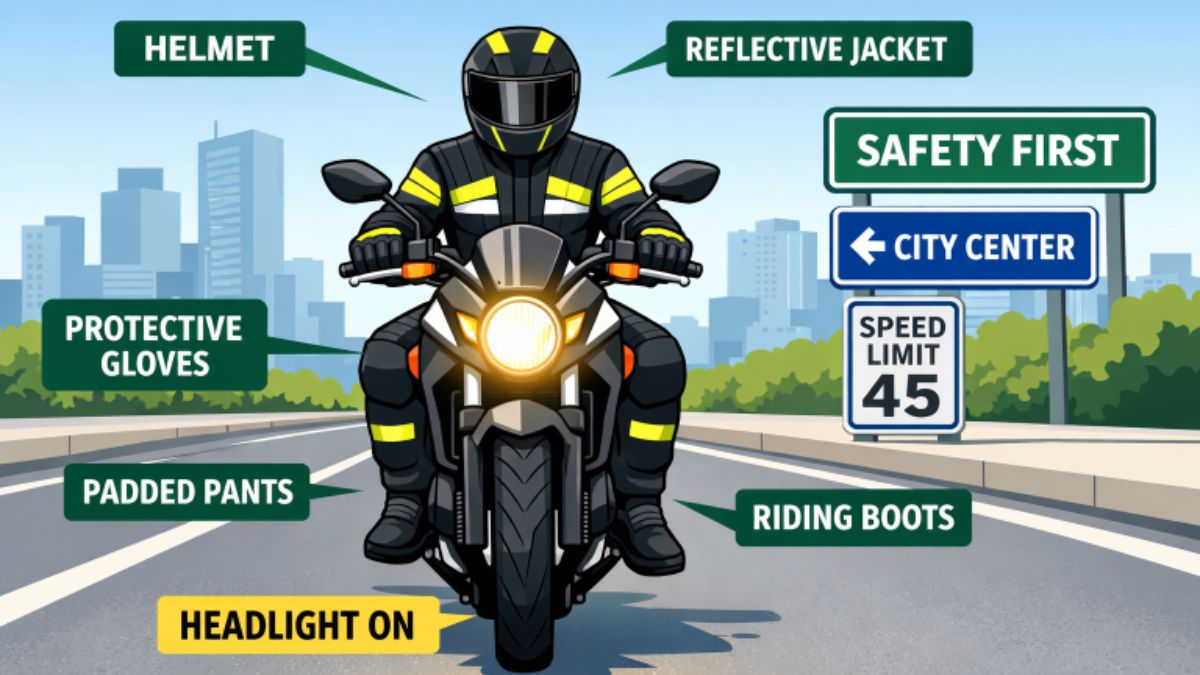
Motorcycling offers a feeling of adventure, freedom, and a connection with the road hard to match. Yet every ride also comes with certain risks, making safety a top concern for both new and seasoned riders. Incorporating safe riding habits goes beyond just protecting yourself. It also means contributing to everyone’s safety and to road awareness. For those navigating the busy streets of a city like New York, knowing how to keep yourself out of danger and respond effectively to hazards is especially critical. If you ever find yourself in need of legal assistance due to an accident, speaking to top-rated motorcycle accident lawyers in NYC can be crucial for understanding your rights and options.
Accidents do not discriminate by skill level, and even the best riders benefit from constant attention to detail, ongoing education, and a commitment to safe practices. From the selection of protective gear to riding style and decision-making, small steps can make the biggest difference in your journey. As communities and cities continue to prioritize road safety, every motorcyclist has a role in setting the right example.
Wear Appropriate Protective Gear
Your choice of gear is your personal safety net. By selecting a DOT-approved helmet, you substantially decrease the chance of suffering severe head injuries in a crash. Completing your gear with a sturdy jacket, gloves, reinforced pants, and over-the-ankle boots ensures your body is well protected from abrasions, impacts, and weather conditions. Remember, even a short ride in familiar territory warrants full protective gear.
Regular Motorcycle Maintenance
Before every ride, check your tire pressure and tread for cracks or uneven wear that could compromise grip. Inspect the brakes for responsiveness and adequate pad depth, confirm that all lights are functioning, and look over your fluid levels and chain tension. Following your manufacturer’s maintenance schedule and resolving issues promptly can prevent breakdowns or mechanical failures that may lead to dangerous situations on the road. For more on maintenance and safety, consult resources such as Consumer Reports.
Adopt Defensive Riding Techniques
Defensive riding means always being alert to your surroundings and predicting what other road users might do next. Keep a generous buffer between your motorcycle and the vehicles ahead. This allows ample time to react to sudden stops or changes in traffic flow. Avoid riding in drivers’ blind spots, and keep your brakes ready in high-risk situations so you can stop swiftly. Pay special attention at intersections, where most serious motorcycle accidents occur, and always assume your presence might go unnoticed.
Enhance Visibility on the Road
The compact size of motorcycles makes them harder for drivers to see compared to larger vehicles. Wear bright colors or garments with reflective strips, particularly during dusk, dawn, or in bad weather. Always keep your headlight on for extra visibility, even during daylight, and use turn signals deliberately and in advance of maneuvers. Lane positioning also matters: place your motorcycle where you are most likely to be noticed by drivers, such as near the center or left of the lane, away from the shadows cast by larger vehicles.
Continuous Education and Training
No matter how many miles you have logged, supplemental training yields benefits. Many organizations offer courses in advanced riding techniques, accident avoidance, and emergency maneuvers that go beyond what is taught in standard licensing classes. Refresher courses help reinforce good habits, instill new skills, and keep you up to date with the latest safety guidelines and local traffic laws. These investments pay off by making you a more competent and confident rider. Interested riders can find recommended courses on the Motorcycle Safety Foundation website.
Be Mindful of Road Conditions
Road surfaces can shift suddenly, especially in cities or rural areas with ongoing construction or inclement weather. Wet pavement, oil spills, gravel, and potholes all present specific dangers, particularly to motorcycles. Adjust your speed and riding style to match the conditions, and keep a careful watch for changing patterns in road texture and traffic flow. Slowing down and being prepared to steer around hazards are fundamental habits that reduce the risk of a crash.
Avoid Impaired Riding
Experience on a motorcycle cannot offset the dangers of impaired riding. Alcohol, recreational drugs, and even some prescription medications significantly reduce coordination, slow reaction times, and impair judgment, increasing the likelihood of accidents. These impairments put not only the rider at risk but also passengers, pedestrians, and other motorists. Riding sober is essential for maintaining full control and making safe decisions on the road. Additionally, encouraging fellow riders to avoid impairment and offering support when needed helps promote a safer riding culture for everyone.
Conclusion
Making safety a consistent priority keeps motorcycling both enjoyable and sustainable over time. Investing in high-quality protective gear, performing routine motorcycle maintenance, and practicing defensive riding techniques reduces the likelihood of accidents. Staying visible with reflective clothing and proper lighting helps other drivers recognize riders sooner. Ongoing education, such as advanced riding courses, sharpens skills and builds confidence. Respecting changing road conditions and avoiding impaired riding further enhances protection. Together, these proactive habits promote responsible riding, protect individuals, and contribute to safer roads for all.
-

 TOPIC8 months ago
Top 5 Features of Googlediqiu You Didn’t Know About
-

 TOPIC1 year ago
Why Large Waterproof Outdoor Rugs Are Essential for All Outdoor Spaces
-

 TOPIC1 year ago
7 Expert Tips For Choosing The Best Basement Renovation Companies
-

 FASHION1 year ago
How to Layer Your White Dress for Cold Weather?
-

 TOPIC10 months ago
Why Greece Katz Martian Has Everyone Talking in 2025
-

 BUSINESS11 months ago
Top 5 Features of Sowix Online That Every User Should Know About
-

 TOPIC11 months ago
Top Features of BetterThisWorld .com You Need to Know About
-

 FINANCE1 year ago
How TraceLoans Can Simplify Your Finances