
TOPIC
Why 3D Animation Services Are No Longer Optional


3D animation services are no longer limited to entertainment or high-end studios. You’re seeing them in product demos, training workflows, SaaS dashboards, virtual walkthroughs, and even inside healthcare and learning systems.
In fact, the way businesses communicate has shifted. Static graphics and flat presentations no longer hold attention. Teams now rely on motion that’s precise, smooth, and designed to simplify complex ideas.
If you’ve been wondering what 3D animation really means, how it works, and why it’s everywhere right now, this breakdown covers it all. You’ll get the full scope, from how it’s made to how it’s solving real industry challenges.
What Is 3D Animation and Why Are 3D Animation Services in Demand
3D animation is the process of building movement inside a digital 3D space. You’re designing full-blown objects, environments, and characters that move, rotate, scale, and interact. It all feels surprisingly real, almost like you’re working in the physical world.
Any 3D animator works through several key stages. They model the object. After this, they rig it with a skeleton, animate it with keyframes. And then, set up lighting, & then render the final output.
Looks interesting? You can also do them by using Animation tools. Some of the tools that you can use: Blender, Cinema 4D, Maya, or Unreal Engine. These platforms give you full control. You can fine-tune every detail. You can control how light hits a surface, how shadows fall, how smooth the motion feels.
Key Problems Solved by Professional 3D Animation Services
Since you know what is 3D animation. It is important to know the problems it is solving. From it, static content has a ceiling. It can’t show how parts move, how software behaves, or how workflows progress. This is where 3D animation fills the gap.
Here are key problems that 3D animation services address:
- Lack of clarity in product marketing: 3D motion explains how hardware or software functions in real-world scenarios
- Low engagement in training content: Animated simulations improve user focus and knowledge retention
- Inadequate visual documentation: Technical 3D visualizations help engineers, manufacturers, and customers understand mechanisms or flows
- Inconsistent branding: 3D assets allow for scalable, on-brand visual libraries that perform across platforms
- Outdated content for digital-first platforms: 3D visuals are easier to update and repurpose than filmed content
Modern communication often demands more than text and screenshots. Companies now need assets that can scale across product pages, onboarding flows, investor presentations, AR demos, and even UI animations.
3D animation services make this scalability possible without sacrificing precision or consistency.
How Quality 3D Animation Services Deliver Effective Results
Execution is everything. A well-modeled animation can fall flat if it lacks polish, context, or platform alignment. This is why experienced 3D animation services approach every project with technical and creative collaboration.
Here’s what effective delivery usually includes:
- Customized pre-production planning: Defining scene layout, object interaction, camera angles, and motion paths
- High-fidelity modeling and texturing: Creating objects that accurately reflect real-world proportions, materials, and lighting
- Rigging and animation logic: Building interactive or character-based animations with correct articulation and timing
Platform-specific rendering: Optimizing final output for web, mobile, AR, VR, broadcast, or embedded display - Post-production enhancement: Adding compositing, ambient effects, background integration, and audio where applicable
3D animation services that take this full-stack approach are better positioned to meet technical standards and brand guidelines without adding post-launch friction.
The Impact of 3D Animation Services on User Engagement and Brand Performance
The impact of well-designed 3D animation goes far beyond surface-level visuals. It directly improves how users engage with content, how customers understand products, and how brands communicate authority.
Here’s how 3D animation services contribute measurable value:
- Fewer support queries. Users don’t need to ask what a feature does. A good animated explainer shows it upfront. It answers before they even type the question.
- Higher conversion rates. Motion grabs attention fast. It keeps users on the page. It guides them to click where you want.
- Smarter onboarding. Got a complex product? A 3D walkthrough turns it into something people understand in seconds. No manuals. No long explainer docs.
- Better knowledge retention. Especially in eLearning and training. People remember what they see in motion. Static slides? Forgettable. Animated flows? Sticky.
- Investor and stakeholder clarity. A polished 3D product demo? That’s your pitch: visual, sharp, and easy to follow. Less explaining, more confidence in the room.
Across marketing, sales, support, training, and development, 3D animation bridges the communication gap between intention and understanding. That’s why businesses that adopt 3D content early often report better digital outcomes.
How Are 3D Animation Services Different from 2D Animation?
Both 2D and 3D animation can tell great stories. But they’re built differently. And they serve different goals. So before jumping into a project, it’s smart to know what each one brings to the table.
Visual Depth and Realism
2D animation works in a flat space. You can use them for cartoons, explainer videos, motion graphics. And anything that doesn’t need physical realism.
But in 3D animation, you can spin objects. zoom in. change the camera angle. It looks more lifelike, more immersive. Almost like a digital twin of the real world.
Got a product that moves? Or a machine that needs to be shown from every angle? That’s where 3D works better.
Production Process
2D animation is more linear. Usually frame-by-frame drawing, or using tweening. Where software fills in the motion between scenes. You’re working with tools like After Effects or Toon Boom. It’s quicker, stylized, and perfect for storytelling with personality.
But 3D? That’s a layered workflow. You start with modeling, building the object. Then comes rigging or you can say setting up its internal “bones” for movement.
Then there’s texturing, lighting, and finally rendering the whole thing. And yes, it takes time. But the result? Stunning.
Cost and Time Considerations
3D animation is costly. It needs more computing power. More planning. More team coordination.
But here’s the upside. Once your 3D assets are ready, you can reuse them. You can repurpose them for mobile apps, websites, AR, VR, even future campaigns.
2D is more affordable upfront. But 3D pays off in the long run, especially if you’re thinking scalable, cross-platform, and future-ready.
What to Consider When Choosing a 3D Animation Service Provider
Not all studios offer the same approach or standards. Choosing the right 3D animation service comes down to evaluating a few key capabilities:
- Technical skill set: Can they work with your platform requirements, render formats, or CAD files?
- Pipeline speed: Do they have efficient workflows for revision cycles, feedback loops, and delivery milestones?
- Industry familiarity: Have they created content for your sector or similar technical products?
- Communication quality: Can they translate complex input into clear motion without over-explaining?
- Output flexibility: Are they able to provide layered exports, transparent backgrounds, looped sequences, or integration-ready assets?
It’s also worth reviewing a studio’s previous work for motion consistency, lighting realism, and visual hierarchy. These are signs of a studio that’s not just using tools but using them well.
Conclusion:
People don’t just read anymore. They want to see things. They want to know how something works. What it does. Why it matters in visuals. That’s why 3D animation works so well. It turns complex ideas into something visual. Something real. Something easy to understand.
Got a product or service that needs explaining? Animation can do that for you. It shows the process. It highlights what matters. It builds trust, fast.
Also, you control everything. The look. The feel. The message. It always stays clean, clear, and sharp. 3D animation isn’t just a nice extra anymore. It’s a must-have. If you’re ready to grab attention and stay ahead, this is where to start.

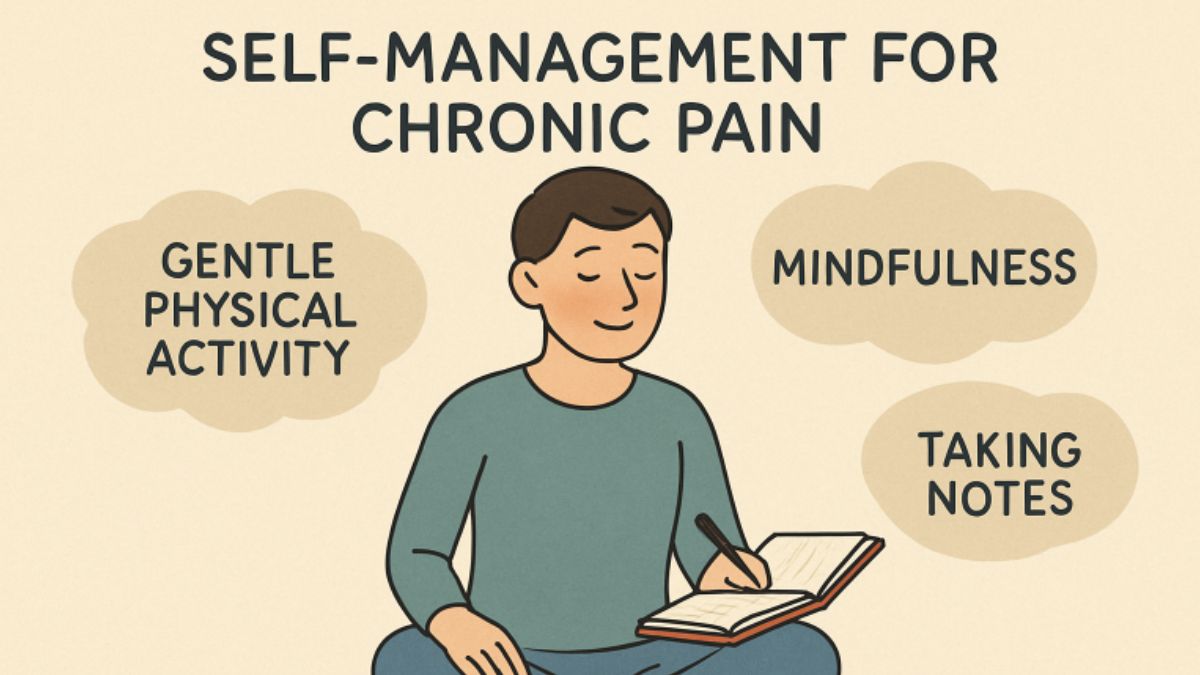
Managing chronic pain requires more than medication; it often involves adopting strategies that empower individuals to take control of their daily lives. Self-management techniques, ranging from pacing activities and practicing relaxation exercises to maintaining a balanced diet and regular physical activity, can significantly reduce discomfort and improve overall quality of life. By understanding personal triggers and developing consistent routines, people with persistent pain conditions can minimize flare-ups and maintain greater independence in their daily activities. Mental and emotional well-being also plays a critical role, as stress and anxiety often amplify physical pain.
Healthcare providers, such as Midwest Vascular, emphasize a holistic approach to pain management that combines medical guidance with practical, everyday strategies. Simple adjustments, such as ergonomic changes at home, gentle stretching, and mindful movement, can complement professional care. Over time, these techniques help individuals regain a sense of control, enhance mobility, and foster long-term resilience against chronic discomfort.
Pacing: Balancing Activity and Rest
Pacing is a foundational self-management technique for people experiencing chronic pain. It refers to structuring activity in a way that avoids overexertion and lengthy recovery times. By alternating periods of light activity with short rest breaks, people can maintain a steadier level of function and reduce the risk of flare-ups. This strategy also prevents the “boom and bust” cycle, where overdoing it on good days leads to worse pain on the following days.
Pacing is not about reducing activity to the bare minimum, but rather about finding a sustainable rhythm. Setting achievable goals for daily routines, learning to say “no” when needed, and listening to the body are cornerstones of this approach. Over time, individuals often notice improvements in stamina, a lower risk of flare-ups, and greater control over their activities.
Mindfulness Practices
Mindfulness is the art of focusing attention on the present moment, observing sensations, emotions, and thoughts without judgment. Mindfulness-based practices, such as Mindfulness-Based Stress Reduction (MBSR), have gained considerable recognition for their potential to decrease pain intensity and the emotional toll associated with it. These practices may include breathing exercises, guided meditation, or gentle yoga techniques, all intended to anchor awareness in the present moment.
Practicing mindfulness regularly helps individuals accept their pain instead of struggling against it, which has been shown to reduce overall stress and suffering. Over time, these techniques can foster resilience and transform one’s relationship with chronic pain.
Cognitive-Behavioral Therapy (CBT)
Cognitive-behavioral therapy is a widely used psychological intervention that targets the connection between thoughts, feelings, and behaviors. People living with chronic pain often experience cycles of negative thinking related to their symptoms, which can heighten distress and pain perception. CBT provides strategies for identifying, questioning, and replacing unhelpful thoughts with more balanced, realistic perspectives.
CBT sessions, conducted individually or in groups, encourage participants to set achievable goals, improve coping skills, and gradually face feared activities or movements with support.
Incorporating Physical Activity
Staying active, within personal limits, is a crucial aspect of self-management for chronic pain. Gentle exercise routines, such as walking, swimming, stretching, or yoga, can help strengthen muscles, preserve flexibility, and boost the production of natural pain-relieving hormones. Movement also supports cardiovascular health and combats the fatigue or depression that sometimes accompanies chronic pain.
It is essential to choose activities that match current ability, starting gradually and increasing intensity as tolerance improves. Consulting a physiotherapist or medical professional can help develop a safe, personalized action plan. Regular movement, even in small amounts, can help reduce stiffness and prevent pain from increasing over time.
Relaxation Techniques
Chronic pain and stress are closely linked, often forming a cycle that makes each worse. Learning to relax the body and mind intentionally can break this pattern. Options include deep breathing exercises, progressive muscle relaxation, visualization, and mindfulness meditation. Taking time for relaxation each day helps calm the nervous system, release tension, and improve sleep quality.
Many relaxation techniques do not require special equipment or training and can be practiced at home or on the go. Over time, they can become a go-to strategy for quickly managing pain flare-ups or stressful situations.
Engaging in Peer Support
Living with chronic pain can sometimes feel isolating. Peer support groups connect people with shared experiences, providing a sense of community and understanding that can be difficult to find elsewhere. Participation may occur in person or through online forums, allowing individuals to share coping tips, encourage one another, and reduce feelings of loneliness.
Researchers have found that peer support often enhances self-efficacy, the belief in one’s own ability to manage pain successfully. This influence may translate into improved daily functioning, mood, and a stronger sense of hope for the future. For individuals new to chronic pain management, support groups can be an invaluable addition to healthcare.
Tracking Symptoms and Triggers
Maintaining a record of daily pain levels, activities, medications, and potential triggers is a powerful self-management tool. Pain diaries, whether handwritten or digital, help reveal patterns over time. Recognizing links between specific activities or emotions and pain flare-ups allows people to make informed adjustments to their routines and treatments.
Bringing this information to healthcare appointments can also improve communication with providers and support more targeted treatment recommendations. Tracking symptoms fosters a proactive attitude and helps individuals take charge of their own care.
Conclusion
Self-management is an essential skillset for anyone dealing with chronic pain. While no single approach fits everyone, combining strategies such as pacing, mindfulness, therapeutic interventions, exercise, relaxation, peer support, and symptom tracking can dramatically improve comfort, resilience, and control over daily life. With continued practice and support, individuals can redefine their relationship with pain and find greater satisfaction in their day-to-day experiences.

In today’s fast-paced digital age, finding genuine connections can feel like searching for a needle in a haystack. Enter Lustmap24—an exciting platform designed to bring people together based on shared interests and desires. Whether you’re looking for friendship, romance, or something more adventurous, Lustmap24 offers the perfect space to explore your options.
But how do you navigate this vibrant community effectively? It’s not just about swiping right or sending messages; it’s about forging meaningful relationships that enrich your life. In this guide, we’ll delve into essential tips and strategies that will help you make the most of your experience on Lustmap24. Get ready to discover how to create authentic connections and enjoy everything this unique platform has to offer!
What is Lustmap24?
Lustmap24 is a dynamic online platform designed for individuals seeking meaningful connections. It caters to those who are open-minded and adventurous in their pursuit of friendship, romance, or casual encounters.
The concept behind Lustmap24 revolves around connecting like-minded people based on shared interests and desires. Users can create profiles that showcase their personality, preferences, and what they’re looking for.
What sets Lustmap24 apart is its emphasis on authenticity. The platform encourages honesty in interactions, fostering an environment where genuine relationships can flourish.
With various features such as messaging options and advanced search filters, users can easily navigate the community to find individuals who resonate with them. Whether you’re curious about new experiences or ready to dive into something deeper, Lustmap24 provides the tools necessary for exploration and connection.
The Importance of Making Meaningful Connections
In today’s fast-paced world, the quest for meaningful connections has never been more crucial. These bonds provide support and enhance our emotional well-being.
When we connect on a deeper level, relationships become more rewarding. Sharing experiences and understanding one another fosters trust and intimacy. It’s not just about finding someone; it’s about creating a bond that resonates.
Meaningful connections can also lead to personal growth. Through engaging conversations, we discover new perspectives and ideas that challenge us to evolve. They enrich our lives in ways superficial interactions cannot.
Moreover, these relationships can serve as safe havens during tough times. Knowing there are people who genuinely care helps alleviate feelings of loneliness or isolation.
Cultivating such ties requires effort but yields significant rewards in emotional fulfillment and happiness over time.
Tips for Creating a Genuine Profile on Lustmap24
Creating a genuine profile on Lustmap24 is essential for attracting meaningful connections. Start with an authentic photo that represents who you are. A clear, smiling picture can make a great first impression.
When crafting your bio, be honest about your interests and what you’re seeking. Share hobbies, passions, and even quirks that make you unique. This invites like-minded individuals to engage with you.
Use a friendly tone while being straightforward about your intentions. Avoid clichés or generic phrases; instead, express yourself in your own words.
Don’t forget to highlight what makes you tick emotionally and intellectually. Mentioning personal experiences can foster deeper conversations right off the bat.
Keep it updated as your preferences may evolve over time. An active profile reflects commitment and openness to new connections on Lustmap24.
How to Start Meaningful Conversations on the Platform
Starting meaningful conversations on Lustmap24 can set the tone for a genuine connection. Begin with an open-ended question that encourages dialogue. Avoid generic icebreakers; instead, focus on interests or profiles.
Pay attention to details in their profile. Mention something specific you noticed—this shows sincerity and interest. Ask about shared hobbies, travel experiences, or favorite books.
Be authentic in your responses. Share a bit about yourself as well to create balance in the exchange. Humor can be a great tool but ensure it aligns with the other person’s vibe.
Listen actively during the conversation. Responding thoughtfully will encourage more depth and engagement from both sides.
Remember, patience is key; not every interaction will spark immediately, but fostering curiosity and respect lays a solid foundation for deeper discussions down the line.
Setting Boundaries and Staying Safe on Lustmap24
Setting boundaries is essential on Lustmap24. It helps to create a safe space for yourself and others. Clearly define what you are comfortable with, whether it’s sharing personal information or meeting in person.
Communicate your limits early on. This openness fosters respect and understanding. If someone crosses those lines, don’t hesitate to speak up.
Safety should always be a priority. Keep your personal details private until you feel secure about the person you’re communicating with. Use the platform’s features wisely; block or report users who make you uncomfortable.
Trust your instincts—if something feels off, it probably is. Take control of your interactions by choosing where and how they happen. Remember that genuine connections thrive when both parties respect each other’s boundaries and safety concerns, allowing trust to develop naturally over time.
Navigating Rejection and Handling Unwanted Attention
Rejection can sting, especially in the context of Lustmap24. It’s essential to remember that not every connection will spark chemistry or interest. Take a deep breath and remind yourself that it’s part of the journey.
When faced with unwanted attention, it’s important to stay calm. Trust your instincts about what feels right and be clear in your communication. If someone crosses a line, don’t hesitate to block or report them.
Focus on positive interactions instead of dwelling on negativity. Surround yourself with those who appreciate you for who you are. Engaging actively with like-minded individuals can shift your experience from frustrating to fulfilling.
Remember, rejection doesn’t define your worth. Each interaction is an opportunity for growth and learning more about what you truly seek on Lustmap24.
Conclusion: Finding Fulfillment through Meaningful Connections on Lustmap24
Navigating the world of Lustmap24 can be an enriching experience when approached with intention and authenticity. The platform offers unique opportunities to connect with like-minded individuals seeking more than just superficial interactions. By focusing on creating a genuine profile, starting meaningful conversations, and setting clear boundaries, you open yourself up to fulfilling connections that enhance your life.
It’s essential to remember that every interaction is a chance for growth. Embrace the journey, learn from each encounter, and prioritize your comfort and safety at all times. As you navigate through Lustmap24’s vibrant community, keep in mind that building relationships takes time and effort but can ultimately lead to meaningful engagements that resonate deeply within you.
Finding fulfillment is possible through shared experiences and sincere connections on this platform. So take the plunge—explore your desires while fostering authentic relationships along the way.

Introduction to Tubeseferi
Nestled away from the bustling tourist traps lies a hidden gem just waiting to be discovered: Tubeseferi. This enchanting destination offers a unique blend of rich history, vibrant culture, and stunning natural beauty. Whether you’re an adventure seeker or a history buff, Tubeseferi has something for everyone. Imagine exploring ancient ruins while soaking in breathtaking views or indulging in mouthwatering local cuisine that tells the story of generations past. If you’re looking to add some unforgettable experiences to your travel bucket list this year, look no further than Tubeseferi—it’s time to uncover what makes this place so special!
History and Culture of Tubeseferi
Tubeseferi is rich in history, a tapestry woven from various influences over centuries. This enchanting town, nestled along the coast, has seen ancient civilizations come and go. Each left behind traces of their presence.
The culture here reflects a blend of traditions. Local festivals celebrate both historical events and seasonal changes, drawing visitors into vibrant local life. Music fills the air during these gatherings, showcasing folk songs that tell stories of yesteryear.
Architecture tells another tale—from historic buildings to modern structures harmonizing with nature. Walking through Tubeseferi feels like stepping back in time while still enjoying contemporary comforts.
Artisans display their craftsmanship proudly; pottery and textiles are just two examples of skills passed down through generations. Culinary practices also preserve age-old recipes that tantalize taste buds today, making every meal an exploration of its cultural heritage.
Top Attractions to See in Tubeseferi
When visiting Tubeseferi, the vibrant local market is a must-see. Stroll through colorful stalls filled with handcrafted goods and fresh produce. The lively atmosphere captures the essence of daily life in this charming town.
Another highlight is the stunning coastline. With crystal-clear waters, it’s perfect for sunbathing or taking long walks along the shore. Don’t miss sunset views that paint the sky in breathtaking colors.
For history enthusiasts, explore ancient ruins scattered throughout Tubeseferi. These remnants tell stories of civilizations past and offer fascinating insights into the region’s heritage.
Art lovers will appreciate local galleries showcasing contemporary works by talented artists who draw inspiration from their surroundings. Each piece tells a unique story reflective of Tubeseferi’s spirit.
Visit historic landmarks like old churches and traditional houses that embody architectural beauty and cultural significance, making them essential stops on your journey.
Adventures and Activities in Tubeseferi
Tubeseferi is a playground for adventure seekers. The striking landscapes provide the perfect backdrop for numerous outdoor activities.
Kayaking through its serene waters allows you to connect with nature while getting a workout. Paddle past lush greenery and hidden coves, discovering quiet spots only accessible by water.
For hiking enthusiasts, well-marked trails wind through rolling hills and vibrant forests. Each path reveals stunning vistas that showcase the region’s natural beauty.
If you’re up for something different, biking along scenic routes offers an exhilarating experience. Feel the rush as you navigate winding paths surrounded by breathtaking views.
Don’t miss out on thrilling zip-lining opportunities as they give you a bird’s-eye view of Tubeseferi’s landscape. It’s pure adrenaline coupled with awe-inspiring scenery that leaves lasting memories.
Whether you’re seeking tranquility or excitement, Tubeseferi has activities to match every thrill level.
Best Time to Visit Tubeseferi
The best time to visit Tubeseferi is during the spring and early autumn months. From April to June, the weather is pleasantly warm, making it perfect for outdoor exploration. The blooming flowers add a vibrant touch to the charming streets.
Autumn, particularly September and October, offers a similar appeal. The temperatures are mild, ideal for sightseeing without the summer crowds.
If you’re looking for cultural experiences, aim for local festivals that often occur in these seasons. These events showcase traditional music and dance while providing delicious local cuisine.
Winter can be chilly but less crowded if you prefer solitude over hustle and bustle. Just pack appropriately to enjoy cozy evenings with hot drinks by your side as you soak in Tubeseferi’s tranquil atmosphere.
Unique Experiences and Cuisine in Tubeseferi
Tubeseferi offers a culinary journey that tantalizes the senses. Local markets brim with fresh ingredients, where you can find vibrant spices and seasonal produce.
Don’t miss trying “Tuba,” a traditional dish made of slow-cooked lamb infused with aromatic herbs. Each bite transports you to the heart of Tubeseferi’s rich culture.
For those craving something sweet, indulge in “Kefir Cake.” This delightful dessert combines local dairy products with honey and nuts for an unforgettable treat.
Venture into hidden cafes tucked away in cobblestone streets. Sip on locally brewed coffee while soaking up stories from friendly locals, who are eager to share their heritage.
Participate in cooking classes led by passionate chefs; they’ll guide you through recipes passed down through generations, ensuring your experience is both educational and delicious.
How to Plan Your Trip to Tubeseferi
Planning a trip to Tubeseferi involves a few simple steps. Start by researching your travel dates. The best time to visit offers pleasant weather and vibrant local events.
Next, consider your accommodation options. From cozy guesthouses to luxurious hotels, there’s something for every budget. Booking in advance can save you money and ensure availability.
Don’t forget about transportation. Renting a car might be the most convenient way to explore the area at your own pace. Alternatively, public transport is reliable if you prefer not driving.
Create an itinerary that includes must-see attractions and hidden gems. Balance sightseeing with downtime so you can soak in the atmosphere of this charming place.
Familiarize yourself with local customs and etiquette before arrival. This knowledge will enhance your experience as you immerse yourself in Tubeseferi’s unique culture.
Conclusion: Why You Should Add Tubeseferi to Your Travel Bucket List for 2022
Tubeseferi is a hidden gem that offers a unique blend of history, culture, and adventure. The charming streets filled with vibrant markets and local artisans tell stories of the past while showcasing the rich traditions of its people.
The stunning attractions draw visitors in with their breathtaking views and historical significance. Whether you’re exploring ancient ruins or soaking up the sun on pristine beaches, there’s something for everyone to enjoy.
For those seeking excitement, Tubeseferi does not disappoint. From exhilarating outdoor activities to leisurely strolls along scenic paths, it beckons travelers looking for both relaxation and adrenaline.
Timing your visit can enhance your experience significantly, as each season brings its own beauty. Enjoy mild weather during spring or revel in summer’s lively atmosphere—every moment spent here will be memorable.
Don’t miss out on indulging your taste buds with local cuisine that showcases flavors unique to Tubeseferi. Each dish tells a story of tradition and heritage that you won’t find anywhere else.
Planning your trip can be straightforward if you know where to look for information about accommodations, transportation options, and must-see spots—all contributing to an unforgettable journey.
Adding Tubeseferi to your travel bucket list this year opens doors to countless experiences waiting just for you. Embrace the allure of this enchanting destination; it promises memories you’ll cherish long after you’ve returned home.
-

 TOPIC1 year ago
7 Expert Tips For Choosing The Best Basement Renovation Companies
-

 TOPIC1 year ago
Why Large Waterproof Outdoor Rugs Are Essential for All Outdoor Spaces
-

 TOPIC8 months ago
Why Greece Katz Martian Has Everyone Talking in 2025
-

 BUSINESS9 months ago
Top 5 Features of Sowix Online That Every User Should Know About
-

 TOPIC9 months ago
Top Features of BetterThisWorld .com You Need to Know About
-

 FASHION1 year ago
How to Layer Your White Dress for Cold Weather?
-

 FINANCE12 months ago
How TraceLoans Can Simplify Your Finances
-

 BIOGRAPHY12 months ago
From Reality Star to Business Mogul: Prince Narula Digital PayPal